
"It's NOT True!" Ex-Tate Spokeswoman REJECTS Andrew Tate Claim
 ·
· 0m51s
Subscribe to stay up-to-date on all Uncensored content. Follow Piers Morgan Uncensored on: X: https://x.com/PiersUncensored Instagram: https://www.instagram.com/piersmorganuncensored/ Facebook: https://www.facebook.com/piersmorganuncensored TikTok: https://www.tiktok.com/@piersmorganuncensored Follow Piers Morgan on: X: https://x.com/piersmorgan Instagram: https://www.instagram.com/piersmorgan #piersmorgan #piersmorganinterview #piersmorgandebate

Prullenbak uitdager van Farage in lokale verkiezingen
 ·
· 2m14s
Het gaat om de strijd in de kustplaats Clacton-on-Sea. Farage trad daar af om niet opgegeven gelddonaties, maar doet weer mee in de herverkiezing. Gevestigde partijen willen niet meedoen en dus is de prullenbak zijn enige uitdager. Binface is eigenlijk comedian Jon Harvey. Hij deed al vaker mee aan lokale verkiezingen tegen onder meer Boris Johnson en Rishi Sunak. Het is voor het eerst dat hij zo hoog staat in de peilingen. #Binface #UK #elections #verkiezingen #Farage #Nieuwsuur

European Intellectual History since Nietzsche: Class 21, Power and Archaeology: Michel Foucault
 ·
· 50m21s
“Power is everywhere; not because it embraces everything, but because it comes from everywhere.”—Michael Foucault, The History of Sexuality vol. I. HIST 271/HUMS 339: European Intellectual History since Nietzsche is a survey course designed to introduce students to the dominant trends in modern European intellectual history. The class aims to sketch a narrative arc from the late 18th century transition to modernity through the late 20th century transition to post-modernity. Following an overview of the Enlightenment and Romanticism, we move through Hegelianism and Marxism and then on to Nietzsche’s declaration of the death of God. (God had been multifunctional, fulfilling epistemological, ontological and ethical roles. His death left an enormous empty space. Much of modern thought could be described as an attempt to replace God.) Topics include Marxism-Leninism, psychoanalysis, expressionism, structuralism, phenomenology, existentialism, anti-politics, and deconstruction. Authors include Nietzsche, Lenin, Kafka, Freud, Husserl, de Beauvoir, Heidegger, Arendt, Adorno, Sartre, Girard, Foucault, Derrida and Havel. With Marci Shore, Associate Professor of History at Yale. To view and/or download a course syllabus and class handouts, please go to this link. https://yaleedu.sharepoint.com/:f:/s/PoorvuCenter-TeachingStudios/IgBc80Q3dxMLQrUZE0Jos7unAQng7aPVoiu3xA9-Q4KxpnI?e=5rXgwM To view the entire course, please go to this playlist link. https://youtube.com/playlist?list=PLh9mgdi4rNezUjm7niGdUWjnL0lHSDh0U&si=bhJYfu0FFOL9pO8j
European Intellectual History since Nietzsche: Class 14, The Frankfurt School
·
· 52m31s
“Enlightenment is totalitarian.”—Theodor Adorno and Max Horkheimer, Dialectic of Enlightenment. HIST 271/HUMS 339: European Intellectual History since Nietzsche is a survey course designed to introduce students to the dominant trends in modern European intellectual history. The class aims to sketch a narrative arc from the late 18th century transition to modernity through the late 20th century transition to post-modernity. Following an overview of the Enlightenment and Romanticism, we move through Hegelianism and Marxism and then on to Nietzsche’s declaration of the death of God. (God had been multifunctional, fulfilling epistemological, ontological and ethical roles. His death left an enormous empty space. Much of modern thought could be described as an attempt to replace God.) Topics include Marxism-Leninism, psychoanalysis, expressionism, structuralism, phenomenology, existentialism, anti-politics, and deconstruction. Authors include Nietzsche, Lenin, Kafka, Freud, Husserl, de Beauvoir, Heidegger, Arendt, Adorno, Sartre, Girard, Foucault, Derrida and Havel. With Marci Shore, Associate Professor of History at Yale. To view and/or download a course syllabus and class handouts, please go to this link. https://yaleedu.sharepoint.com/:f:/s/PoorvuCenter-TeachingStudios/IgBc80Q3dxMLQrUZE0Jos7unAQng7aPVoiu3xA9-Q4KxpnI?e=5rXgwM To view the entire course, please go to this playlist link. https://youtube.com/playlist?list=PLh9mgdi4rNezUjm7niGdUWjnL0lHSDh0U&si=bhJYfu0FFOL9pO8j

European Intellectual History since Nietzsche: Class 25, From Modernity to Post-Modernity
·
· 51m51s
“When they stormed the Bastille they forgot the Sorbonne.”—Hélène Cixous, 1998. HIST 271/HUMS 339: European Intellectual History since Nietzsche is a survey course designed to introduce students to the dominant trends in modern European intellectual history. The class aims to sketch a narrative arc from the late 18th century transition to modernity through the late 20th century transition to post-modernity. Following an overview of the Enlightenment and Romanticism, we move through Hegelianism and Marxism and then on to Nietzsche’s declaration of the death of God. (God had been multifunctional, fulfilling epistemological, ontological and ethical roles. His death left an enormous empty space. Much of modern thought could be described as an attempt to replace God.) Topics include Marxism-Leninism, psychoanalysis, expressionism, structuralism, phenomenology, existentialism, anti-politics, and deconstruction. Authors include Nietzsche, Lenin, Kafka, Freud, Husserl, de Beauvoir, Heidegger, Arendt, Adorno, Sartre, Girard, Foucault, Derrida and Havel. With Marci Shore, Associate Professor of History at Yale. To view and/or download a course syllabus and class handouts, please go to this link. https://yaleedu.sharepoint.com/:f:/s/PoorvuCenter-TeachingStudios/IgBc80Q3dxMLQrUZE0Jos7unAQng7aPVoiu3xA9-Q4KxpnI?e=5rXgwM To view the entire course, please go to this playlist link. https://youtube.com/playlist?list=PLh9mgdi4rNezUjm7niGdUWjnL0lHSDh0U&si=bhJYfu0FFOL9pO8j

European Intellectual History since Nietzsche: Class 1, Introduction to the Course
·
· 46m2s
“In general modern man has no solutions.”—Alexander Herzen, From the Other Shore. HIST 271/HUMS 339: European Intellectual History since Nietzsche is a survey course designed to introduce students to the dominant trends in modern European intellectual history. The class aims to sketch a narrative arc from the late 18th century transition to modernity through the late 20th century transition to post-modernity. Following an overview of the Enlightenment and Romanticism, we move through Hegelianism and Marxism and then on to Nietzsche’s declaration of the death of God. (God had been multifunctional, fulfilling epistemological, ontological and ethical roles. His death left an enormous empty space. Much of modern thought could be described as an attempt to replace God.) Topics include Marxism-Leninism, psychoanalysis, expressionism, structuralism, phenomenology, existentialism, anti-politics, and deconstruction. Authors include Nietzsche, Lenin, Kafka, Freud, Husserl, de Beauvoir, Heidegger, Arendt, Adorno, Sartre, Girard, Foucault, Derrida and Havel. With Marci Shore, Associate Professor of History at Yale. To view and/or download a course syllabus and class handouts, please go to this link. https://yaleedu.sharepoint.com/:f:/s/PoorvuCenter-TeachingStudios/IgBc80Q3dxMLQrUZE0Jos7unAQng7aPVoiu3xA9-Q4KxpnI?e=5rXgwM To view the entire course, please go to this playlist link. https://youtube.com/playlist?list=PLh9mgdi4rNezUjm7niGdUWjnL0lHSDh0U&si=bhJYfu0FFOL9pO8j

European Intellectual History since Nietzsche: Class 9, Freudian Psychoanalysis
·
· 51m39s
“The first of these displeasing propositions of psycho-analysis is this: that mental processes are essentially unconscious, and that those which are conscious are merely isolated acts and parts of the whole psychic entity.” – Sigmund Freud, Introductory Lectures on Psychoanalysis. HIST 271/HUMS 339: European Intellectual History since Nietzsche is a survey course designed to introduce students to the dominant trends in modern European intellectual history. The class aims to sketch a narrative arc from the late 18th century transition to modernity through the late 20th century transition to post-modernity. Following an overview of the Enlightenment and Romanticism, we move through Hegelianism and Marxism and then on to Nietzsche’s declaration of the death of God. (God had been multifunctional, fulfilling epistemological, ontological and ethical roles. His death left an enormous empty space. Much of modern thought could be described as an attempt to replace God.) Topics include Marxism-Leninism, psychoanalysis, expressionism, structuralism, phenomenology, existentialism, anti-politics, and deconstruction. Authors include Nietzsche, Lenin, Kafka, Freud, Husserl, de Beauvoir, Heidegger, Arendt, Adorno, Sartre, Girard, Foucault, Derrida and Havel. With Marci Shore, Associate Professor of History at Yale. To view and/or download a course syllabus and class handouts, please go to this link. https://yaleedu.sharepoint.com/:f:/s/PoorvuCenter-TeachingStudios/IgBc80Q3dxMLQrUZE0Jos7unAQng7aPVoiu3xA9-Q4KxpnI?e=5rXgwM To view the entire course, please go to this playlist link. https://youtube.com/playlist?list=PLh9mgdi4rNezUjm7niGdUWjnL0lHSDh0U&si=bhJYfu0FFOL9pO8j

European Intellectual History since Nietzsche: Class 10, Modernism and the Avant-Garde
·
· 50m12s
“When Gregor Samsa woke up one morning from unsettling dreams, he found himself changed in his bed into a monstrous vermin.”—Franz Kafka, The Metamorphosis. HIST 271/HUMS 339: European Intellectual History since Nietzsche is a survey course designed to introduce students to the dominant trends in modern European intellectual history. The class aims to sketch a narrative arc from the late 18th century transition to modernity through the late 20th century transition to post-modernity. Following an overview of the Enlightenment and Romanticism, we move through Hegelianism and Marxism and then on to Nietzsche’s declaration of the death of God. (God had been multifunctional, fulfilling epistemological, ontological and ethical roles. His death left an enormous empty space. Much of modern thought could be described as an attempt to replace God.) Topics include Marxism-Leninism, psychoanalysis, expressionism, structuralism, phenomenology, existentialism, anti-politics, and deconstruction. Authors include Nietzsche, Lenin, Kafka, Freud, Husserl, de Beauvoir, Heidegger, Arendt, Adorno, Sartre, Girard, Foucault, Derrida and Havel. With Marci Shore, Associate Professor of History at Yale. To view and/or download a course syllabus and class handouts, please go to this link. https://yaleedu.sharepoint.com/:f:/s/PoorvuCenter-TeachingStudios/IgBc80Q3dxMLQrUZE0Jos7unAQng7aPVoiu3xA9-Q4KxpnI?e=5rXgwM To view the entire course, please go to this playlist link. https://youtube.com/playlist?list=PLh9mgdi4rNezUjm7niGdUWjnL0lHSDh0U&si=bhJYfu0FFOL9pO8j
European Intellectual History since Nietzsche: Class 17, Husserl’s Children, Searching for the Other
·
· 47m55s
“The Other wrenches me from my hypostatise, from the here, at the heart of being or the center of the world where, privileged, and in this sense primordial, I posit myself.”—Emmanuel Levinas, “Philosophy and Awakening.” HIST 271/HUMS 339: European Intellectual History since Nietzsche is a survey course designed to introduce students to the dominant trends in modern European intellectual history. The class aims to sketch a narrative arc from the late 18th century transition to modernity through the late 20th century transition to post-modernity. Following an overview of the Enlightenment and Romanticism, we move through Hegelianism and Marxism and then on to Nietzsche’s declaration of the death of God. (God had been multifunctional, fulfilling epistemological, ontological and ethical roles. His death left an enormous empty space. Much of modern thought could be described as an attempt to replace God.) Topics include Marxism-Leninism, psychoanalysis, expressionism, structuralism, phenomenology, existentialism, anti-politics, and deconstruction. Authors include Nietzsche, Lenin, Kafka, Freud, Husserl, de Beauvoir, Heidegger, Arendt, Adorno, Sartre, Girard, Foucault, Derrida and Havel. With Marci Shore, Associate Professor of History at Yale. To view and/or download a course syllabus and class handouts, please go to this link. https://yaleedu.sharepoint.com/:f:/s/PoorvuCenter-TeachingStudios/IgBc80Q3dxMLQrUZE0Jos7unAQng7aPVoiu3xA9-Q4KxpnI?e=5rXgwM To view the entire course, please go to this playlist link. https://youtube.com/playlist?list=PLh9mgdi4rNezUjm7niGdUWjnL0lHSDh0U&si=bhJYfu0FFOL9pO8j

European Intellectual History since Nietzsche: Class 18, Revisionist Marxism and Existentialism
·
· 51m15s
“. . . man is essentially a being of praxis.” –Mihailo Marković, 1975. HIST 271/HUMS 339: European Intellectual History since Nietzsche is a survey course designed to introduce students to the dominant trends in modern European intellectual history. The class aims to sketch a narrative arc from the late 18th century transition to modernity through the late 20th century transition to post-modernity. Following an overview of the Enlightenment and Romanticism, we move through Hegelianism and Marxism and then on to Nietzsche’s declaration of the death of God. (God had been multifunctional, fulfilling epistemological, ontological and ethical roles. His death left an enormous empty space. Much of modern thought could be described as an attempt to replace God.) Topics include Marxism-Leninism, psychoanalysis, expressionism, structuralism, phenomenology, existentialism, anti-politics, and deconstruction. Authors include Nietzsche, Lenin, Kafka, Freud, Husserl, de Beauvoir, Heidegger, Arendt, Adorno, Sartre, Girard, Foucault, Derrida and Havel. With Marci Shore, Associate Professor of History at Yale. To view and/or download a course syllabus and class handouts, please go to this link. https://yaleedu.sharepoint.com/:f:/s/PoorvuCenter-TeachingStudios/IgBc80Q3dxMLQrUZE0Jos7unAQng7aPVoiu3xA9-Q4KxpnI?e=5rXgwM To view the entire course, please go to this playlist link. https://youtube.com/playlist?list=PLh9mgdi4rNezUjm7niGdUWjnL0lHSDh0U&si=bhJYfu0FFOL9pO8j

European Intellectual History since Nietzsche: Class 16, The Second Sex
·
· 50m22s
“We conceive her as hesitating between the role of object, of Other that is proposed to her and her claim for freedom.”—Simone de Beauvoir. HIST 271/HUMS 339: European Intellectual History since Nietzsche is a survey course designed to introduce students to the dominant trends in modern European intellectual history. The class aims to sketch a narrative arc from the late 18th century transition to modernity through the late 20th century transition to post-modernity. Following an overview of the Enlightenment and Romanticism, we move through Hegelianism and Marxism and then on to Nietzsche’s declaration of the death of God. (God had been multifunctional, fulfilling epistemological, ontological and ethical roles. His death left an enormous empty space. Much of modern thought could be described as an attempt to replace God.) Topics include Marxism-Leninism, psychoanalysis, expressionism, structuralism, phenomenology, existentialism, anti-politics, and deconstruction. Authors include Nietzsche, Lenin, Kafka, Freud, Husserl, de Beauvoir, Heidegger, Arendt, Adorno, Sartre, Girard, Foucault, Derrida and Havel. With Marci Shore, Associate Professor of History at Yale. To view and/or download a course syllabus and class handouts, please go to this link. https://yaleedu.sharepoint.com/:f:/s/PoorvuCenter-TeachingStudios/IgBc80Q3dxMLQrUZE0Jos7unAQng7aPVoiu3xA9-Q4KxpnI?e=5rXgwM To view the entire course, please go to this playlist link. https://youtube.com/playlist?list=PLh9mgdi4rNezUjm7niGdUWjnL0lHSDh0U&si=bhJYfu0FFOL9pO8j

European Intellectual History since Nietzsche: Class 2, The Heritage of the Enlightenment
·
· 47m12s
“Our Western heritage is reason—reason, analysis, action, progress!” –Settembrini the organ-grinder in Thomas Mann’s The Magic Mountain. HIST 271/HUMS 339: European Intellectual History since Nietzsche is a survey course designed to introduce students to the dominant trends in modern European intellectual history. The class aims to sketch a narrative arc from the late 18th century transition to modernity through the late 20th century transition to post-modernity. Following an overview of the Enlightenment and Romanticism, we move through Hegelianism and Marxism and then on to Nietzsche’s declaration of the death of God. (God had been multifunctional, fulfilling epistemological, ontological and ethical roles. His death left an enormous empty space. Much of modern thought could be described as an attempt to replace God.) Topics include Marxism-Leninism, psychoanalysis, expressionism, structuralism, phenomenology, existentialism, anti-politics, and deconstruction. Authors include Nietzsche, Lenin, Kafka, Freud, Husserl, de Beauvoir, Heidegger, Arendt, Adorno, Sartre, Girard, Foucault, Derrida and Havel. With Marci Shore, Associate Professor of History at Yale. To view and/or download a course syllabus and class handouts, please go to this link. https://yaleedu.sharepoint.com/:f:/s/PoorvuCenter-TeachingStudios/IgBc80Q3dxMLQrUZE0Jos7unAQng7aPVoiu3xA9-Q4KxpnI?e=5rXgwM To view the entire course, please go to this playlist link. https://youtube.com/playlist?list=PLh9mgdi4rNezUjm7niGdUWjnL0lHSDh0U&si=bhJYfu0FFOL9pO8j

European Intellectual History since Nietzsche: Class 5, Marxism
·
· 50m31s
“A specter is haunting Europe—the specter of communism.”—Karl Marx and Friedrich Engels, The Communist Manifesto. HIST 271/HUMS 339: European Intellectual History since Nietzsche is a survey course designed to introduce students to the dominant trends in modern European intellectual history. The class aims to sketch a narrative arc from the late 18th century transition to modernity through the late 20th century transition to post-modernity. Following an overview of the Enlightenment and Romanticism, we move through Hegelianism and Marxism and then on to Nietzsche’s declaration of the death of God. (God had been multifunctional, fulfilling epistemological, ontological and ethical roles. His death left an enormous empty space. Much of modern thought could be described as an attempt to replace God.) Topics include Marxism-Leninism, psychoanalysis, expressionism, structuralism, phenomenology, existentialism, anti-politics, and deconstruction. Authors include Nietzsche, Lenin, Kafka, Freud, Husserl, de Beauvoir, Heidegger, Arendt, Adorno, Sartre, Girard, Foucault, Derrida and Havel. With Marci Shore, Associate Professor of History at Yale. To view and/or download a course syllabus and class handouts, please go to this link. https://yaleedu.sharepoint.com/:f:/s/PoorvuCenter-TeachingStudios/IgBc80Q3dxMLQrUZE0Jos7unAQng7aPVoiu3xA9-Q4KxpnI?e=5rXgwM To view the entire course, please go to this playlist link. https://youtube.com/playlist?list=PLh9mgdi4rNezUjm7niGdUWjnL0lHSDh0U&si=bhJYfu0FFOL9pO8j

European Intellectual History since Nietzsche: Class 7, Henri Bergson - Revolt Against Positivism
·
· 50m35s
“All the molds crack.”— Henri Bergson, Creative Evolution. HIST 271/HUMS 339: European Intellectual History since Nietzsche is a survey course designed to introduce students to the dominant trends in modern European intellectual history. The class aims to sketch a narrative arc from the late 18th century transition to modernity through the late 20th century transition to post-modernity. Following an overview of the Enlightenment and Romanticism, we move through Hegelianism and Marxism and then on to Nietzsche’s declaration of the death of God. (God had been multifunctional, fulfilling epistemological, ontological and ethical roles. His death left an enormous empty space. Much of modern thought could be described as an attempt to replace God.) Topics include Marxism-Leninism, psychoanalysis, expressionism, structuralism, phenomenology, existentialism, anti-politics, and deconstruction. Authors include Nietzsche, Lenin, Kafka, Freud, Husserl, de Beauvoir, Heidegger, Arendt, Adorno, Sartre, Girard, Foucault, Derrida and Havel. With Marci Shore, Associate Professor of History at Yale. To view and/or download a course syllabus and class handouts, please go to this link. https://yaleedu.sharepoint.com/:f:/s/PoorvuCenter-TeachingStudios/IgBc80Q3dxMLQrUZE0Jos7unAQng7aPVoiu3xA9-Q4KxpnI?e=5rXgwM To view the entire course, please go to this playlist link. https://youtube.com/playlist?list=PLh9mgdi4rNezUjm7niGdUWjnL0lHSDh0U&si=bhJYfu0FFOL9pO8j

European Intellectual History since Nietzsche: Class 19, Structuralism and Anthropology
·
· 51m17s
“. . .we must never lose sight of the fact that, in both anthropological and linguistic research, we are dealing strictly with symbolism.” –Claude Lévi-Strauss, “Structural Analysis in Linguistics and Anthropology.” HIST 271/HUMS 339: European Intellectual History since Nietzsche is a survey course designed to introduce students to the dominant trends in modern European intellectual history. The class aims to sketch a narrative arc from the late 18th century transition to modernity through the late 20th century transition to post-modernity. Following an overview of the Enlightenment and Romanticism, we move through Hegelianism and Marxism and then on to Nietzsche’s declaration of the death of God. (God had been multifunctional, fulfilling epistemological, ontological and ethical roles. His death left an enormous empty space. Much of modern thought could be described as an attempt to replace God.) Topics include Marxism-Leninism, psychoanalysis, expressionism, structuralism, phenomenology, existentialism, anti-politics, and deconstruction. Authors include Nietzsche, Lenin, Kafka, Freud, Husserl, de Beauvoir, Heidegger, Arendt, Adorno, Sartre, Girard, Foucault, Derrida and Havel. With Marci Shore, Associate Professor of History at Yale. To view and/or download a course syllabus and class handouts, please go to this link. https://yaleedu.sharepoint.com/:f:/s/PoorvuCenter-TeachingStudios/IgBc80Q3dxMLQrUZE0Jos7unAQng7aPVoiu3xA9-Q4KxpnI?e=5rXgwM To view the entire course, please go to this playlist link. https://youtube.com/playlist?list=PLh9mgdi4rNezUjm7niGdUWjnL0lHSDh0U&si=bhJYfu0FFOL9pO8j

European Intellectual History since Nietzsche: Class 12, Heideggerean Existentialism
·
· 49m29s
“Dasein is an entity which does not just occur amongst other entities. Rather it is ontically distinguished by the fact that, in its very being, that being is an issue for it.”—Martin Heidegger, Being and Time. HIST 271/HUMS 339: European Intellectual History since Nietzsche is a survey course designed to introduce students to the dominant trends in modern European intellectual history. The class aims to sketch a narrative arc from the late 18th century transition to modernity through the late 20th century transition to post-modernity. Following an overview of the Enlightenment and Romanticism, we move through Hegelianism and Marxism and then on to Nietzsche’s declaration of the death of God. (God had been multifunctional, fulfilling epistemological, ontological and ethical roles. His death left an enormous empty space. Much of modern thought could be described as an attempt to replace God.) Topics include Marxism-Leninism, psychoanalysis, expressionism, structuralism, phenomenology, existentialism, anti-politics, and deconstruction. Authors include Nietzsche, Lenin, Kafka, Freud, Husserl, de Beauvoir, Heidegger, Arendt, Adorno, Sartre, Girard, Foucault, Derrida and Havel. With Marci Shore, Associate Professor of History at Yale. To view and/or download a course syllabus and class handouts, please go to this link. https://yaleedu.sharepoint.com/:f:/s/PoorvuCenter-TeachingStudios/IgBc80Q3dxMLQrUZE0Jos7unAQng7aPVoiu3xA9-Q4KxpnI?e=5rXgwM To view the entire course, please go to this playlist link. https://youtube.com/playlist?list=PLh9mgdi4rNezUjm7niGdUWjnL0lHSDh0U&si=bhJYfu0FFOL9pO8j

European Intellectual History since Nietzsche: 22, French Post-Structuralism: Derrida/Deconstruction
·
· 51m42s
“I often describe deconstruction as something which happens. It's not purely linguistic, involving text or books. You can deconstruct gestures, choreography. That's why I enlarged the concept of text.”—Jacques Derrida. HIST 271/HUMS 339: European Intellectual History since Nietzsche is a survey course designed to introduce students to the dominant trends in modern European intellectual history. The class aims to sketch a narrative arc from the late 18th century transition to modernity through the late 20th century transition to post-modernity. Following an overview of the Enlightenment and Romanticism, we move through Hegelianism and Marxism and then on to Nietzsche’s declaration of the death of God. (God had been multifunctional, fulfilling epistemological, ontological and ethical roles. His death left an enormous empty space. Much of modern thought could be described as an attempt to replace God.) Topics include Marxism-Leninism, psychoanalysis, expressionism, structuralism, phenomenology, existentialism, anti-politics, and deconstruction. Authors include Nietzsche, Lenin, Kafka, Freud, Husserl, de Beauvoir, Heidegger, Arendt, Adorno, Sartre, Girard, Foucault, Derrida and Havel. With Marci Shore, Associate Professor of History at Yale. To view and/or download a course syllabus and class handouts, please go to this link. https://yaleedu.sharepoint.com/:f:/s/PoorvuCenter-TeachingStudios/IgBc80Q3dxMLQrUZE0Jos7unAQng7aPVoiu3xA9-Q4KxpnI?e=5rXgwM To view the entire course, please go to this playlist link. https://youtube.com/playlist?list=PLh9mgdi4rNezUjm7niGdUWjnL0lHSDh0U&si=bhJYfu0FFOL9pO8j
European Intellectual History since Nietzsche: Class 3, The Legacy of Romanticism
·
· 48m18s
“You see, gentlemen, reason is unquestionably a fine thing, but reason is no more than reason, and it gives fulfillment only to man’s reasoning capacity, while desires are a manifestation of the whole of life. . .”—Fyodor Dostoevsky, Notes from Underground. HIST 271/HUMS 339: European Intellectual History since Nietzsche is a survey course designed to introduce students to the dominant trends in modern European intellectual history. The class aims to sketch a narrative arc from the late 18th century transition to modernity through the late 20th century transition to post-modernity. Following an overview of the Enlightenment and Romanticism, we move through Hegelianism and Marxism and then on to Nietzsche’s declaration of the death of God. (God had been multifunctional, fulfilling epistemological, ontological and ethical roles. His death left an enormous empty space. Much of modern thought could be described as an attempt to replace God.) Topics include Marxism-Leninism, psychoanalysis, expressionism, structuralism, phenomenology, existentialism, anti-politics, and deconstruction. Authors include Nietzsche, Lenin, Kafka, Freud, Husserl, de Beauvoir, Heidegger, Arendt, Adorno, Sartre, Girard, Foucault, Derrida and Havel. With Marci Shore, Associate Professor of History at Yale. To view and/or download a course syllabus and class handouts, please go to this link. https://yaleedu.sharepoint.com/:f:/s/PoorvuCenter-TeachingStudios/IgBc80Q3dxMLQrUZE0Jos7unAQng7aPVoiu3xA9-Q4KxpnI?e=5rXgwM To view the entire course, please go to this playlist link. https://youtube.com/playlist?list=PLh9mgdi4rNezUjm7niGdUWjnL0lHSDh0U&si=bhJYfu0FFOL9pO8j
European Intellectual History since Nietzsche: Class 8, Leninism, the Rushing of History
·
· 51m16s
“We have said that there could not have been Social-Democratic consciousness among the workers. It would have to be brought to them from without.”—V. I. Lenin, What Is To Be Done? HIST 271/HUMS 339: European Intellectual History since Nietzsche is a survey course designed to introduce students to the dominant trends in modern European intellectual history. The class aims to sketch a narrative arc from the late 18th century transition to modernity through the late 20th century transition to post-modernity. Following an overview of the Enlightenment and Romanticism, we move through Hegelianism and Marxism and then on to Nietzsche’s declaration of the death of God. (God had been multifunctional, fulfilling epistemological, ontological and ethical roles. His death left an enormous empty space. Much of modern thought could be described as an attempt to replace God.) Topics include Marxism-Leninism, psychoanalysis, expressionism, structuralism, phenomenology, existentialism, anti-politics, and deconstruction. Authors include Nietzsche, Lenin, Kafka, Freud, Husserl, de Beauvoir, Heidegger, Arendt, Adorno, Sartre, Girard, Foucault, Derrida and Havel. With Marci Shore, Associate Professor of History at Yale. To view and/or download a course syllabus and class handouts, please go to this link. https://yaleedu.sharepoint.com/:f:/s/PoorvuCenter-TeachingStudios/IgBc80Q3dxMLQrUZE0Jos7unAQng7aPVoiu3xA9-Q4KxpnI?e=5rXgwM To view the entire course, please go to this playlist link. https://youtube.com/playlist?list=PLh9mgdi4rNezUjm7niGdUWjnL0lHSDh0U&si=bhJYfu0FFOL9pO8j
European Intellectual History since Nietzsche: Class 11, Phenomenology
·
· 50m51s
“To the things themselves!”—Edmund Husserl. HIST 271/HUMS 339: European Intellectual History since Nietzsche is a survey course designed to introduce students to the dominant trends in modern European intellectual history. The class aims to sketch a narrative arc from the late 18th century transition to modernity through the late 20th century transition to post-modernity. Following an overview of the Enlightenment and Romanticism, we move through Hegelianism and Marxism and then on to Nietzsche’s declaration of the death of God. (God had been multifunctional, fulfilling epistemological, ontological and ethical roles. His death left an enormous empty space. Much of modern thought could be described as an attempt to replace God.) Topics include Marxism-Leninism, psychoanalysis, expressionism, structuralism, phenomenology, existentialism, anti-politics, and deconstruction. Authors include Nietzsche, Lenin, Kafka, Freud, Husserl, de Beauvoir, Heidegger, Arendt, Adorno, Sartre, Girard, Foucault, Derrida and Havel. With Marci Shore, Associate Professor of History at Yale. To view and/or download a course syllabus and class handouts, please go to this link. https://yaleedu.sharepoint.com/:f:/s/PoorvuCenter-TeachingStudios/IgBc80Q3dxMLQrUZE0Jos7unAQng7aPVoiu3xA9-Q4KxpnI?e=5rXgwM To view the entire course, please go to this playlist link. https://youtube.com/playlist?list=PLh9mgdi4rNezUjm7niGdUWjnL0lHSDh0U&si=bhJYfu0FFOL9pO8j
European Intellectual History since Nietzsche: Class 23, “Antipolitics” & the Philosophy of Dissent
·
· 51m20s
“In the post-totalitarian system, this line runs de facto through each person, for everyone in his or her own way is both a victim and a supporter of the system.”—Václav Havel, “The Power of the Powerless.” HIST 271/HUMS 339: European Intellectual History since Nietzsche is a survey course designed to introduce students to the dominant trends in modern European intellectual history. The class aims to sketch a narrative arc from the late 18th century transition to modernity through the late 20th century transition to post-modernity. Following an overview of the Enlightenment and Romanticism, we move through Hegelianism and Marxism and then on to Nietzsche’s declaration of the death of God. (God had been multifunctional, fulfilling epistemological, ontological and ethical roles. His death left an enormous empty space. Much of modern thought could be described as an attempt to replace God.) Topics include Marxism-Leninism, psychoanalysis, expressionism, structuralism, phenomenology, existentialism, anti-politics, and deconstruction. Authors include Nietzsche, Lenin, Kafka, Freud, Husserl, de Beauvoir, Heidegger, Arendt, Adorno, Sartre, Girard, Foucault, Derrida and Havel. With Marci Shore, Associate Professor of History at Yale. To view and/or download a course syllabus and class handouts, please go to this link. https://yaleedu.sharepoint.com/:f:/s/PoorvuCenter-TeachingStudios/IgBc80Q3dxMLQrUZE0Jos7unAQng7aPVoiu3xA9-Q4KxpnI?e=5rXgwM To view the entire course, please go to this playlist link. https://youtube.com/playlist?list=PLh9mgdi4rNezUjm7niGdUWjnL0lHSDh0U&si=bhJYfu0FFOL9pO8j
European Intellectual History since Nietzsche: Class 24, The Heidegger Controversy
·
· 51m56s
“In the hut’s book, glancing towards the well’s star, in the hope of a word to come.”—Paul Celan, 1966. HIST 271/HUMS 339: European Intellectual History since Nietzsche is a survey course designed to introduce students to the dominant trends in modern European intellectual history. The class aims to sketch a narrative arc from the late 18th century transition to modernity through the late 20th century transition to post-modernity. Following an overview of the Enlightenment and Romanticism, we move through Hegelianism and Marxism and then on to Nietzsche’s declaration of the death of God. (God had been multifunctional, fulfilling epistemological, ontological and ethical roles. His death left an enormous empty space. Much of modern thought could be described as an attempt to replace God.) Topics include Marxism-Leninism, psychoanalysis, expressionism, structuralism, phenomenology, existentialism, anti-politics, and deconstruction. Authors include Nietzsche, Lenin, Kafka, Freud, Husserl, de Beauvoir, Heidegger, Arendt, Adorno, Sartre, Girard, Foucault, Derrida and Havel. With Marci Shore, Associate Professor of History at Yale. To view and/or download a course syllabus and class handouts, please go to this link. https://yaleedu.sharepoint.com/:f:/s/PoorvuCenter-TeachingStudios/IgBc80Q3dxMLQrUZE0Jos7unAQng7aPVoiu3xA9-Q4KxpnI?e=5rXgwM To view the entire course, please go to this playlist link. https://youtube.com/playlist?list=PLh9mgdi4rNezUjm7niGdUWjnL0lHSDh0U&si=bhJYfu0FFOL9pO8j

European Intellectual History since Nietzsche: Class 4, Hegel and the Historicist Chronotope
·
· 48m58s
“The truth is the whole.” –G. W. F. Hegel, Phenomenology of the Spirit. HIST 271/HUMS 339: European Intellectual History since Nietzsche is a survey course designed to introduce students to the dominant trends in modern European intellectual history. The class aims to sketch a narrative arc from the late 18th century transition to modernity through the late 20th century transition to post-modernity. Following an overview of the Enlightenment and Romanticism, we move through Hegelianism and Marxism and then on to Nietzsche’s declaration of the death of God. (God had been multifunctional, fulfilling epistemological, ontological and ethical roles. His death left an enormous empty space. Much of modern thought could be described as an attempt to replace God.) Topics include Marxism-Leninism, psychoanalysis, expressionism, structuralism, phenomenology, existentialism, anti-politics, and deconstruction. Authors include Nietzsche, Lenin, Kafka, Freud, Husserl, de Beauvoir, Heidegger, Arendt, Adorno, Sartre, Girard, Foucault, Derrida and Havel. With Marci Shore, Associate Professor of History at Yale. To view and/or download a course syllabus and class handouts, please go to this link. https://yaleedu.sharepoint.com/:f:/s/PoorvuCenter-TeachingStudios/IgBc80Q3dxMLQrUZE0Jos7unAQng7aPVoiu3xA9-Q4KxpnI?e=5rXgwM To view the entire course, please go to this playlist link. https://youtube.com/playlist?list=PLh9mgdi4rNezUjm7niGdUWjnL0lHSDh0U&si=bhJYfu0FFOL9pO8j

European Intellectual History since Nietzsche: Class 13, French Existentialism
·
· 51m38s
“Man is nothing else but that which he makes of himself.”—Jean-Paul Sartre, “Existentialism is a Humanism.” HIST 271/HUMS 339: European Intellectual History since Nietzsche is a survey course designed to introduce students to the dominant trends in modern European intellectual history. The class aims to sketch a narrative arc from the late 18th century transition to modernity through the late 20th century transition to post-modernity. Following an overview of the Enlightenment and Romanticism, we move through Hegelianism and Marxism and then on to Nietzsche’s declaration of the death of God. (God had been multifunctional, fulfilling epistemological, ontological and ethical roles. His death left an enormous empty space. Much of modern thought could be described as an attempt to replace God.) Topics include Marxism-Leninism, psychoanalysis, expressionism, structuralism, phenomenology, existentialism, anti-politics, and deconstruction. Authors include Nietzsche, Lenin, Kafka, Freud, Husserl, de Beauvoir, Heidegger, Arendt, Adorno, Sartre, Girard, Foucault, Derrida and Havel. With Marci Shore, Associate Professor of History at Yale. To view and/or download a course syllabus and class handouts, please go to this link. https://yaleedu.sharepoint.com/:f:/s/PoorvuCenter-TeachingStudios/IgBc80Q3dxMLQrUZE0Jos7unAQng7aPVoiu3xA9-Q4KxpnI?e=5rXgwM To view the entire course, please go to this playlist link. https://youtube.com/playlist?list=PLh9mgdi4rNezUjm7niGdUWjnL0lHSDh0U&si=bhJYfu0FFOL9pO8j

European Intellectual History since Nietzsche: Class 6, Nietzsche and the Death of God
·
· 51m3s
“God is dead. God remains dead. And we have killed him. How shall we, the murderers of all murderers, comfort ourselves?”—Friedrich Nietzsche, The Gay Science. HIST 271/HUMS 339: European Intellectual History since Nietzsche is a survey course designed to introduce students to the dominant trends in modern European intellectual history. The class aims to sketch a narrative arc from the late 18th century transition to modernity through the late 20th century transition to post-modernity. Following an overview of the Enlightenment and Romanticism, we move through Hegelianism and Marxism and then on to Nietzsche’s declaration of the death of God. (God had been multifunctional, fulfilling epistemological, ontological and ethical roles. His death left an enormous empty space. Much of modern thought could be described as an attempt to replace God.) Topics include Marxism-Leninism, psychoanalysis, expressionism, structuralism, phenomenology, existentialism, anti-politics, and deconstruction. Authors include Nietzsche, Lenin, Kafka, Freud, Husserl, de Beauvoir, Heidegger, Arendt, Adorno, Sartre, Girard, Foucault, Derrida and Havel. With Marci Shore, Associate Professor of History at Yale. To view and/or download a course syllabus and class handouts, please go to this link. https://yaleedu.sharepoint.com/:f:/s/PoorvuCenter-TeachingStudios/IgBc80Q3dxMLQrUZE0Jos7unAQng7aPVoiu3xA9-Q4KxpnI?e=5rXgwM To view the entire course, please go to this playlist link. https://youtube.com/playlist?list=PLh9mgdi4rNezUjm7niGdUWjnL0lHSDh0U&si=bhJYfu0FFOL9pO8j
European Intellectual History since Nietzsche: Cls 15, Hannah Arendt, Totalitarianism-Nature of Evil
·
· 50m36s
“. . .totalitarianism has discovered a means of dominating and terrorizing human beings from within. In this sense it eliminates the distance between the rulers and the ruled. . .” –Hannah Arendt, Origins of Totalitarianism. HIST 271/HUMS 339: European Intellectual History since Nietzsche is a survey course designed to introduce students to the dominant trends in modern European intellectual history. The class aims to sketch a narrative arc from the late 18th century transition to modernity through the late 20th century transition to post-modernity. Following an overview of the Enlightenment and Romanticism, we move through Hegelianism and Marxism and then on to Nietzsche’s declaration of the death of God. (God had been multifunctional, fulfilling epistemological, ontological and ethical roles. His death left an enormous empty space. Much of modern thought could be described as an attempt to replace God.) Topics include Marxism-Leninism, psychoanalysis, expressionism, structuralism, phenomenology, existentialism, anti-politics, and deconstruction. Authors include Nietzsche, Lenin, Kafka, Freud, Husserl, de Beauvoir, Heidegger, Arendt, Adorno, Sartre, Girard, Foucault, Derrida and Havel. With Marci Shore, Associate Professor of History at Yale. To view and/or download a course syllabus and class handouts, please go to this link. https://yaleedu.sharepoint.com/:f:/s/PoorvuCenter-TeachingStudios/IgBc80Q3dxMLQrUZE0Jos7unAQng7aPVoiu3xA9-Q4KxpnI?e=5rXgwM To view the entire course, please go to this playlist link. https://youtube.com/playlist?list=PLh9mgdi4rNezUjm7niGdUWjnL0lHSDh0U&si=bhJYfu0FFOL9pO8j

European Intellectual History since Nietzsche: Class 20, Violence and the Sacred: René Girard
·
· 51m56s
“Violence is the heart and secret soul of the sacred.”—René Girard, Violence and the Sacred. HIST 271/HUMS 339: European Intellectual History since Nietzsche is a survey course designed to introduce students to the dominant trends in modern European intellectual history. The class aims to sketch a narrative arc from the late 18th century transition to modernity through the late 20th century transition to post-modernity. Following an overview of the Enlightenment and Romanticism, we move through Hegelianism and Marxism and then on to Nietzsche’s declaration of the death of God. (God had been multifunctional, fulfilling epistemological, ontological and ethical roles. His death left an enormous empty space. Much of modern thought could be described as an attempt to replace God.) Topics include Marxism-Leninism, psychoanalysis, expressionism, structuralism, phenomenology, existentialism, anti-politics, and deconstruction. Authors include Nietzsche, Lenin, Kafka, Freud, Husserl, de Beauvoir, Heidegger, Arendt, Adorno, Sartre, Girard, Foucault, Derrida and Havel. With Marci Shore, Associate Professor of History at Yale. To view and/or download a course syllabus and class handouts, please go to this link. https://yaleedu.sharepoint.com/:f:/s/PoorvuCenter-TeachingStudios/IgBc80Q3dxMLQrUZE0Jos7unAQng7aPVoiu3xA9-Q4KxpnI?e=5rXgwM To view the entire course, please go to this playlist link. https://youtube.com/playlist?list=PLh9mgdi4rNezUjm7niGdUWjnL0lHSDh0U&si=bhJYfu0FFOL9pO8j

Playing Pearl Jam at the Rock Hall #drumeo #davekrusen #pearljam
 ·
· 0m52s
Dave Krusen is the original drummer of Pearl Jam and the driving force behind one of rock's most iconic drum performances: "Even Flow." In this episode, he breaks down the grooves, fills, and approach that helped define the band's early sound on Ten. He also shares how the song came together, the drummers who influenced his playing, and how he used dynamics to bring "Even Flow" to life. The *NEW* Musora App (Free 7-Day Trial) ► https://www.drumeo.com/trial-yt?vid=sbzN0mQw7kE Check out the microphones used in your favorite Drumeo videos (Earthworks x Musora) ► https://earthworksaudio.com/musora

Exposing a $1,900,000,000 Pharma Company
 ·
· 44m42s
Try Brilliant for free, plus get 20% off an annual Premium subscription at https://brilliant.org/fern (ad) Join our newsletter: https://roots.watchfern.com/ This is the story of a German pharmaceutical company, a billion-dollar opioid business, and a crisis spanning multiple continents. Is a new opioid crisis looming — one made in Germany? This video is based on original reporting by The Examination, a nonprofit newsroom investigating preventable health threats. More on this story: https://www.theexamination.org/articles/gruenenthal-pushed-its-latest-opioid-as-a-safer-option-people-around-the-world-got-hooked?utm_source=youtube&utm_medium=referral&utm_campaign=creator_mention&utm_content=fern_gruenenthal_opioid Explore the investigation and full series: https://www.theexamination.org/series/world-of-pain Follow The Examination: Website: https://theexamination.org YouTube: https://www.youtube.com/channel/UCnXpJDgzBRbNcjnNTJpa42Q Newsletter: https://theexamination.org/newsletter You can find Tanja Albroscheit’s petition here: https://www.change.org/p/dr-klaus-rei... Many thanks as well to Maria Christoph from Paper Trail Media. Her in-depth article for the German magazine Spiegel is available here: https://www.spiegel.de/panorama/gesel... To better understand the situation in West Africa, make sure to watch this ARTE documentary: https://www.youtube.com/watch?v=8r3E_-O44io Corrections: 0:01: "Australien” should read “Australia". Sources: https://docs.google.com/document/d/1oemg0YMbFv4QM5WNVJHGdGOHg64W-d52fyubEhj77xU/edit?usp=sharing Music list: Epidemic Sound: Traitors - Wendel Scherer Suicidal Drivestyle - Hysics Half-Time Break - Experia Devils On The Doorstep 2 - Fredrik Ekström Hidden Room - Anthony Earls Mind Your Step - Craft Case Stop Snitchin’ - Isaac Larson Inside Light - Jay Varton I Have a Plan, Mr Norton - Arthur Benson Zone - Jay Varton Me vs Me - Jharee Quell Fear - Jon Björk All Day - Tilden Parc One Last Drama - Philip Ayers We Have to Go Back There - Christian Andersen Ends Don't Meet - Kouba 22c - Farrell Wooten Look to the Sky - Experia Let This Be a Lesson - Eludent Stars and Neutrinos - Christian Andersen After the Fall - Max Anson Rainy Landscapes - Farrell Wooten Stormkeeper - Robert Ruth Anemone - Marten Moses The Replica - Toby Tranter People Falling Down - Arthur Benson Victims & Crimes - Skrya Adaption - Out To The World Trace It - Skrya Cold Sweat - Craft Case Peace on the Horizon - Krithi Tension 2 - Fredrik Ekström Margin of Error - Farrell Wooten Red Sun Rising - Edward Karl Hanson In Their Galaxy - Christian Andersen I'm the Villain - Dream Cave True Forgiveness - Jon Björk Villanueva - Vendla Fall Afoul - Jon Sumner Tracker - Christoffer Moe Ditlevsen Secret Admirer - T. Morri Critical Thinking - Philip Ayers Enter The Night 5 - Fredrik Ekström Dark Secrets - Stefan Ekström The Mole - Christoffer Moe Ditlevsen The Call of the Wild - Victor Lundberg Tragic Departure - Atlas Kind Call On Me (Instrumental Version) - Tape Machines Finger Roll - Bonkers Beat Club Danger Ahead - Etienne Roussel _____ Armchair documentaries, almost weekly

"TRANSPORTATION ON THE GREAT LAKES" 1931 CLASSROOM FILM FERRIES, BULK CARRIERS & FREIGHTERS GG41005
 ·
· 14m5s
Help us preserve, scan and post more rare and endangered films on Patreon: https://www.patreon.com/PeriscopeFilm Join this channel to get access to perks: https://www.youtube.com/channel/UCddem5RlB3bQe99wyY49g0g/join Website: www.PeriscopeFilm.com Dating to 1931, "Transportation on the Great Lakes" was released by Eastman Classroom Films. Original catalog entry: "May be used in studying transportation, or any region bordering on the lakes. The first part of the film, dealing with the formation of the lakes, is adapted to physical geography classes. Formation of the Great Lakes. Opening lake traffic. Bulk freighters and car ferries. Package and passenger liners." The film opens 0:00 with main titles before showing images of ferries, ore carriers and passenger vessels. At 0:43, animation explains the formation of the Great Lakes. At 4;35, a title card "Opening Lake Traffic". Lighthouses are shown being opened at the start of spring navigation. At 5:00 is what appears to be the Rock of Ages Lighthouse on Lake Superior. At 5:09, an ice breaker moves across the frozen lake with supplies for the lighthouse crew. At 7:12, car ferries and bulk carriers are shown. The Penetang, a Canadian Steamship Lines vessel built in 1926 in Collingwood, Ontario is shown. At 8:05 a bulk carrier is loaded with grain. At 8:55 a ship is shown in the locks. At 10:32, a railroad car ferry is shown. At 11:33, package and passenger ferries are shown and at 11:45 what appears to be the Chicago skyline. At 12:11 the passenger liner Noronic is shown. SS Noronic was destroyed by fire in Toronto Harbour in September 1949 with the loss of at least 118 lives. 12:52: a marine post office in Detroit, the SS Steelmotor. Motion picture films don't last forever; many have already been lost or destroyed. For almost two decades, we've worked to collect, scan and preserve the world as it was captured on 35mm, 16mm and 8mm movies -- including home movies, industrial films, and other non-fiction. If you have endangered films you'd like to have scanned, or wish to donate celluloid to Periscope Film so that we can share them with the world, we'd love to hear from you. Contact us via the weblink below. This film is part of the Periscope Film LLC archive, one of the largest historic military, transportation, and aviation stock footage collections in the USA. Entirely film backed, this material is available for licensing in 24p HD, 2k and 4k. For more information visit http://www.PeriscopeFilm.com

Abdul El-Sayed wins Michigan Senate primary
 ·
· 2m41s
Progressive candidate Abdul El-Sayed has been declared the winner of Michigan's closely watched Democratic Senate primary, narrowly beating out Congressmember Haley Stevens. AIPAC and its affiliated groups spent as much as $46 million to help Stevens in what became the most expensive Democratic Senate primary contest in U.S. history. El-Sayed's success represents "a movement of Americans who are saying, 'Enough of politics as usual,'" says Andy Levin, a former Democratic congressmember from Michigan who lost to Stevens in 2022 after AIPAC spent $4.3 million on her campaign.

Even Flow's Perfect Finale #drumeo #davekrusen #pearljam
·
· 0m30s
Dave Krusen is the original drummer of Pearl Jam and the driving force behind one of rock's most iconic drum performances: "Even Flow." In this episode, he breaks down the grooves, fills, and approach that helped define the band's early sound on Ten. He also shares how the song came together, the drummers who influenced his playing, and how he used dynamics to bring "Even Flow" to life. The *NEW* Musora App (Free 7-Day Trial) ► https://www.drumeo.com/trial-yt?vid=sbzN0mQw7kE Check out the microphones used in your favorite Drumeo videos (Earthworks x Musora) ► https://earthworksaudio.com/musora

Five chicks from an endangered African bird of prey have hatched at Chester Zoo - BBC
 ·
· 0m45s
It is the first time the species, known as the secretarybird, has bred at the zoo in its 95-year history. The chicks’ parents, John and Jolene, arrived at Chester Zoo a few years ago. Keepers then spent years studying their courtship and the conditions they needed to breed. - BBC Merseyside #SecretaryBird #BirdofPrey #ChesterZoo Subscribe and 🔔 to the BBC 👉 https://bit.ly/BBCYouTubeSub Watch the BBC first on iPlayer 👉 https://bbc.in/iPlayer-Home

‘MAGA Cult Is OVER!’ AIPAC Michigan Defeat & Tucker’s New Party + Nick Shirley & Rand Paul
·
· 1h8m
Abdul El-Sayed's victory in Michigan's Democratic Senate primary is being hailed as a major breakthrough for the party's progressive wing after he defeated a heavily funded opponent backed by pro-Israel groups, including AIPAC. The upset is expected to fuel an already fierce debate over the future direction of the Democratic Party ahead of the US midterm elections. As progressives celebrate the result, Republicans are casting the race as a warning about the growing influence of socialism and the far left, arguing that candidates like El-Sayed represent a dramatic shift in Democratic politics. With Republicans facing mounting criticism over the economic impact of an increasingly unpopular Iran War, questions are growing over whether those attacks will resonate with voters - or whether President Trump risks being undone by the same anti-establishment politics that helped propel him to power. Piers Morgan is joined by Republican Senator Rand Paul, OutKick founder Clay Travis, conservative commentator Carrie Prejean Boller, Democratic strategist and Endless Urgency host Mike Nellis, Palestinian-American commentator Omar Baddar, and independent journalist and conservative YouTuber Nick Shirley to discuss where American politics is heading. 00:00 Introduction 04:00 Senator Rand Paul discusses Anthony Fauci 25:41 Panel reacts to Rand Paul interview 29:47 Fauci’s right to plead the Fifth 33:58 Victory of Abdul El-Sayed in Michigan 37:23 The split on the MAGA conservative right 43:21 Check out the Republican candidate odds on Polymarket US: https://app.polymarket.us/S8ac/PIERS50 45:25 Democratic Socialists and Francesca Hong ‘cancelling’ Thanksgiving 52:28 Sophie Cunningham and trans women in sport 01:01:51 Nick Shirley discusses his trip to Ceuta Subscribe to stay up-to-date on all Uncensored content. Follow Piers Morgan Uncensored on: X: https://x.com/PiersUncensored Instagram: https://www.instagram.com/piersmorganuncensored/ Facebook: https://www.facebook.com/piersmorganuncensored TikTok: https://www.tiktok.com/@piersmorganuncensored Follow Piers Morgan on: X: https://x.com/piersmorgan Instagram: https://www.instagram.com/piersmorgan #politics #republicans #piersmorgan #debate

"CHOKED!" Trump LASHES OUT At Jeanine Pirro Over Failed Reflecting Pool Charges
 ·
· 13m48s
Krystal and Emily discuss Trump lashing out over Jeanine Pirro failing to prosecute alleged Reflecting Pool vandals. LIMITED TIME FREE TRIAL AT BreakingPoints.com Sign up for a PREMIUM Breaking Points subscriptions for full early access to uncut shows and LIVE AMAs with the hosts every week: https://breakingpoints.supercast.com/ Merch Store: https://shop.breakingpoints.com/ To listen to Breaking Points as a podcast, check them out on Apple and Spotify Apple: https://podcasts.apple.com/us/podcast/breaking-points-with-krystal-and-saagar/id1570045623 Spotify: https://open.spotify.com/show/033kFeszOZEgO3Wy6ziXKR Instagram: https://www.instagram.com/breakingpoints.yt Facebook: https://www.facebook.com/people/Breaking-Points/61575893472315/ #news #politics #youtube

In de vallei van de Zwarte Beek in Limburg is opnieuw een kraanvogel geboren, en dat is bijzonder
 ·
· 1m42s
Meer van onze video's zien? Abonneer je hier: https://www.youtube.com/vrtnws Jullie hebben allemaal het recht om jullie mening te geven, maar heb respect voor elkaar. Reacties waarin je scheldt of iemand persoonlijk aanvalt, worden verwijderd.

Turning air into alcohol
 ·
· 1h30m
Streamline your business with Odoo by going to: https://www.odoo.com/nilered and get 1 app for free for life, or try everything Odoo has to offer for free for 15 days, no credit card required. My air alcohol website: https://airalcohol.odoo.com For years now, I have been dreaming of turning air into alcohol and after years of work, I am happy to say that I finally did it! References: Catalyst - https://pubs.acs.org/accacs/article-abstract/11/18/11742/417288/Direct-Conversion-of-CO2-to-Ethanol-Boosted-by?redirectedFrom=PDF (Thank you Yang Wang!) ■ 25mL Beakers (Shot Glass Set): https://nilered.tv/25ml-beakers ------------------------------------------------------------------------------- Merch - https://nilered.tv/store ------------------------------------------------------------------------------- My second channel: https://youtube.com/@NileBlue My behind the scenes channel: https://youtube.com/@NileRed Extra Watch all of my videos early and ad-free on Sauce+ - https://www.sauceplus.com/discover You can also find my videos alongside other creators on Nebula - https://go.nebula.tv/nilered (a portion of your membership directly supports the channel) Join the community: Discord - https://discord.com/invite/3BT6UHf Patreon - https://www.patreon.com/nilered NileRed Newsletter - https://nile.red/home#newsletter YouTube Membership: https://www.youtube.com/nilered/join You can also find me here: Facebook - https://m.facebook.com/NileRed2 Instagram - https://m.instagram.com/nile.red Twitter - https://mobile.twitter.com/NileRed2 Nile talks about lab safety: https://youtu.be/ftACSEJ6DZA Chapters: 00:00 - How it's even possible 2:54 - Getting H2O/CO2 from air 9:23 - Building the reactor system 13:09 - Picking the catalyst 15:03 - Making the Fe based catalyst 31:57 - Wetness impregnation 35:41 - Making the CuZnAl catalyst 47:07 - The result of 2 years of work 49:49 - Adding the CO2/H2O 1:02:38 - Running it for the first time 1:11:32 - Upgrading the system 1:12:45 - Running it again 1:19:35 - Cleaning up the result 1:23:05 - Tasting my air alcohol Music in credits (Walker by SORRYSINES): https://soundcloud.com/sorrysines/walker

Droogte leidt tot bizarre vondsten in rivierend
 ·
· 1m10s
Door de droogte is de waterstand in veel rivieren laag. Een buitenkansje voor archeologen. Al is een schat vinden zo makkelijk nog niet.

Droogte teistert Nederland op meerdere fronten: voorraad zoetwater raakt op en barsten in dijken
·
· 1m37s
Nederland moet tegen de droogte vechten op verschillende fronten: want ook de dijken komen daar nu onder druk te staan. Omdat het niet of nauwelijks regent, staan de dijken te droog en komen er scheuren en barsten in. Op de bekende waddeneilanden, in het noorden, raken intussen de zoetwatervoorraden op, met gevolgen voor Vlieland en Terschelling. Meer van onze video's zien? Abonneer je hier: https://www.youtube.com/vrtnws Jullie hebben allemaal het recht om jullie mening te geven, maar heb respect voor elkaar. Reacties waarin je scheldt of iemand persoonlijk aanvalt, worden verwijderd.

Gemaakt in China en samengesteld in Duitsland: zo raakt deze mensensmokkelaar aan boten
·
· 1m57s
Meer van onze video's zien? Abonneer je hier: https://www.youtube.com/vrtnws Jullie hebben allemaal het recht om jullie mening te geven, maar heb respect voor elkaar. Reacties waarin je scheldt of iemand persoonlijk aanvalt, worden verwijderd.
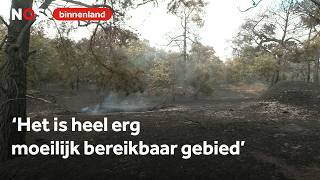
Zo ziet het natuurgebied bij Venray eruit na de brand
·
· 1m32s
De brand in het natuurgebied Boschhuizerbergen bij Oostrum begon maandag. Woensdag kon het sein brand meester worden gegeven. Zeker één vierkante kilometer bos ging verloren. Verslaggever Simone Tukker keek met de brandweer mee bij het nablussen. #brand #venray #brandweer #natuur #nosnieuws OVER NOS: We zijn de grootste nieuwsorganisatie van Nederland en verantwoordelijk voor een brede, betrouwbare en onafhankelijke nieuwsvoorziening. VOLG ONS: https://www.nos.nl | https://www.instagram.com/nos/ | https://bsky.app/profile/nieuws.nos.nl | https://www.facebook.com/nos Download de app voor iOS: http://apple.co/1JObNaK Download de app voor Android: http://bit.ly/2d4GJN7

Accused MAGA Abuser FLAILS In Heated CNN Interview
·
· 20m0s
Krystal and Emily discuss Max Miller flailing in a heated CNN interview with Jake Tapper. LIMITED TIME FREE TRIAL AT BreakingPoints.com Sign up for a PREMIUM Breaking Points subscriptions for full early access to uncut shows and LIVE AMAs with the hosts every week: https://breakingpoints.supercast.com/ Merch Store: https://shop.breakingpoints.com/ To listen to Breaking Points as a podcast, check them out on Apple and Spotify Apple: https://podcasts.apple.com/us/podcast/breaking-points-with-krystal-and-saagar/id1570045623 Spotify: https://open.spotify.com/show/033kFeszOZEgO3Wy6ziXKR Instagram: https://www.instagram.com/breakingpoints.yt Facebook: https://www.facebook.com/people/Breaking-Points/61575893472315/ #news #politics #youtube

Of course Elon Musk grew up reading sci-fi... 🔭 - BBC
·
· 0m22s
#TheElonMuskShow #ElonMusk #MayeMusk #Throwback Subscribe and 🔔 to the BBC 👉 https://bit.ly/BBCYouTubeSub Watch the BBC first on iPlayer 👉 https://bbc.in/iPlayer-Home

The Ride Cymbal Trick Behind "Even Flow" #drumeo #davekrusen #pearljam
·
· 0m50s
Dave Krusen is the original drummer of Pearl Jam and the driving force behind one of rock's most iconic drum performances: "Even Flow." In this episode, he breaks down the grooves, fills, and approach that helped define the band's early sound on Ten. He also shares how the song came together, the drummers who influenced his playing, and how he used dynamics to bring "Even Flow" to life. The *NEW* Musora App (Free 7-Day Trial) ► https://www.drumeo.com/trial-yt?vid=sbzN0mQw7kE Check out the microphones used in your favorite Drumeo videos (Earthworks x Musora) ► https://earthworksaudio.com/musora

Serie rotondekunst: Van Limburg Stirumplein
 ·
· 2m48s
De in totaal zeventienhonderd kunstwerken die Amsterdam telt, zijn bepalend voor het straatbeeld. Een kunstsoort waar we echter regelmatig letterlijk aan voorbijgaan, is de rotondekunst. Vandaag gaat AT5 langs op het Van Limburg Stirumplein, waar sinds 1997 het kunstwerk Abri en Peperbus van Frank Halmans te vinden is. Hoewel het dus al jaren onderdeel uitmaakt van het straatbeeld in de Staatsliedenbuurt, is het voor lang niet iedereen duidelijk dat het hier om een kunstwerk gaat. "Het leuke van dit kunstwerk is eigenlijk dat heel veel mensen helemaal niet doorhebben dat het een kunstwerk is", vertelt stadscurator Annemarie de Wildt. "De opdracht was om een wachthuisje te maken, dus eigenlijk een functioneel kunstwerk." Een voorbijgang vertelt inderdaad dat hij niet wist dat het hier om kunst gaat. "Maar het is het eerste ding dat ik zag toen ik hier kwam in de buurt, en ik zie het elke dag wanneer ik op de tram wacht." Toch is niet iedereen fan: "Het is een architectonisch ding, dit kunstwerk. Het is niet het soort kunst waar ik het warm van krijg", vertelt een man. "Maar ik vind het soort van mooi." Een persoon loopt over een geplaveide straat op een stadsplein dat wordt omringd door gebouwen, terrasjes, fietsen en een grote reclamezuil. Er zitten duiven op de grond en langs de straat staan bomen. In de linkeronderhoek is het AT5-logo te zien. Het werk bestaat uit een wachthuisje voor de tram en een bank die tegelijkertijd de sokkel voor een peperbus vormt. Zo'n peperbus zie je op wel op meer plekken in de stad, aan de binnenkant zit namelijk mechanica die de buurt van elektriciteit voorziet. En aan de buitenkant van de Peperbus kunnen reclames en affiches geplakt worden. Oorspronkelijk was het idee dat de peperbus zou verdwijnen, maar daar stak Halmans een stokje voor. Sterker nog: hij plaatste het op een verhoging. Volgens De Wildt refereerde de kunstenaar daarmee ook aan het verleden van de buurt. De Staatsliedenbuurt was eind jaren zeventig namelijk hét krakersbolwerk van Amsterdam. "Dit is eigenlijk een verwijzing naar het revolutionaire verleden van de buurt", vertelt De Wildt vanaf de verhoging onder de Peperbus. "Dus wordt de revolutie nog een keer uitgeroepen in de Staatsliedenbuurt, dan kan dat hier gebeuren." ❌ ❌ ❌ AT5 - Echt Amsterdams Nieuws Abonneer hier op ons youtubekanaal: https://www.youtube.com/AT5 Tips of opmerkingen? Whatsapp: 06 511 909 38 Telefoon: 020 555 1155 Volg AT5: www.at5.nl Instagram: instagram.com/at5.nl Facebook: facebook.com/at5nl Twitter: twitter.com/at5

REBUILDING A STUART MAJOR BEAM ENGINE - PART #13
 ·
· 8m14s
Rebuilding A Stuart Major Beam Engine - Part #13. Working on the Baseboard and Engine Mounting. Drilling some holes in the Baseboard to attach the Brick Plinth assembly. Varnishing the Baseboard and the Brickwork to seal it. Shortening some 2BA Bolts to make Bearing mounting Studs. https://www.patreon.com/keithappleton IF YOU ENJOY WATCHING THESE DETAILED TUTORIAL VIDEOS THAT I PRODUCE TO HELP BEGINNERS TO THE HOBBY, THEN PLEASE BECOME A PATRON OF MY YOUTUBE CHANNEL VIA "PATREON" AND ALLOW ME THE TIME TO MAKE EVEN MORE OF THESE SPECIALIST AND HIGHLY DETAILED TUTORIAL VIDEOS. AS A PATREON SUPPORTER YOU ARE ABLE TO ACCESS MANY OF MY VIDEOS THAT ARE NOT FOR PUBLIC VIEW ON YOUTUBE. PLEASE VISIT MY WEBSITE FOR THE VERY EASY TO USE COMPREHENSIVE PLAYLIST INDEX OF ALL OF MY YOUTUBE VIDEOS: www.mainsteam.co.uk OR CLICK HERE FOR PATREON: https://www.patreon.com/keithappleton Please become a member of my Youtube Channel to get access to extra videos: https://www.youtube.com/channel/UCgeQiJg-PIH5MZQn0aRd1mg/join

Drone met explosieven gevonden bij vrachtvliegtuig van Oekraïne op startbaan luchthaven van Leipzig
·
· 2m3s
Op de luchthaven Leipzig/Halle in Duitsland is een drone met een onbekend explosief gevonden bij een startbaan. Dat bevestigt het parket van Dresden. Volgens media lag de drone in de buurt van een Oekraïens vrachtvliegtuig. Daarnaast kwam een DHL-vrachtvliegtuig tijdens een doorstart in botsing met een ander onbekend object. Het toestel kon veilig landen in Hannover. Het Duitse gerecht is een terreuronderzoek gestart. Meer van onze video's zien? Abonneer je hier: https://www.youtube.com/vrtnws Jullie hebben allemaal het recht om jullie mening te geven, maar heb respect voor elkaar. Reacties waarin je scheldt of iemand persoonlijk aanvalt, worden verwijderd.



Bari Weiss CAUGHT Spiking Bombshell Epstein Bank Story
·
· 10m49s
Krystal and Emily discuss Bari Weiss caught tanking an Epstein bank story. LIMITED TIME FREE TRIAL AT BreakingPoints.com Sign up for a PREMIUM Breaking Points subscriptions for full early access to uncut shows and LIVE AMAs with the hosts every week: https://breakingpoints.supercast.com/ Merch Store: https://shop.breakingpoints.com/ To listen to Breaking Points as a podcast, check them out on Apple and Spotify Apple: https://podcasts.apple.com/us/podcast/breaking-points-with-krystal-and-saagar/id1570045623 Spotify: https://open.spotify.com/show/033kFeszOZEgO3Wy6ziXKR Instagram: https://www.instagram.com/breakingpoints.yt Facebook: https://www.facebook.com/people/Breaking-Points/61575893472315/ #news #politics #youtube
