
Church and State Under Saint Louis | The Age of Cathedrals with R. Howard Bloch
 ·
· 9m29s
When a single holy nail went missing from Saint-Denis in 1232, the young King Louis IX wept, and much of France mourned as if disaster loomed. Professor R. Howard Bloch sets the stage for the Sainte-Chapelle by tracing the growth of the royal domain under Philip Augustus, the fragile monarchy defended by Blanche of Castile, and Louis IX, a muscular Christian and rare intellectual who fused church and state and rooted French legitimacy in biblical history. The panic over the lost nail of the crucifixion shows how deeply relics and kingship had become entwined. Chapters: 00:00 The Sainte-Chapelle and radiating Gothic 01:46 The expansion of the royal domain 03:04 A fragile monarchy and Blanche of Castile 04:14 Louis IX, a muscular Christian 05:24 Linking church and state 06:16 The lost holy nail Learning objectives: After watching, you'll be able to: - Describe the expansion of the royal domain before Saint Louis - Explain the role of Blanche of Castile in holding the kingdom together - Summarize how Louis IX linked church and state - Interpret the national mourning over the lost holy nail 📚 About the Course: An introduction to some of the most astonishing architectural monuments the world has ever known: the Gothic cathedrals of medieval France. Through the art, literature, intellectual life, economics, and new social arrangements that arose in the shadow of the cathedrals, you will explore the revival of cities in the twelfth and thirteenth centuries and come to a richer appreciation of the High Middle Ages, a world that is still recognizably our own. But what does that mean in practice? When you take this course, you will: Understand how the great cathedrals were built: Trace the engineering and architectural innovations, from Romanesque origins to Gothic stone and the delicate "house of glass," that made these structures possible. Learn to read cathedrals as art: Interpret the sculpture, stained glass, and relics of Saint-Denis, Notre-Dame de Paris, Chartres, and the Sainte-Chapelle, and see how their images served as the "Bible of the poor." Explore the world around the cathedrals: Discover the literature, learning, religion, and economic life of medieval cities, from Peter Abelard and the birth of the university to the everyday life lived in the cathedral's shadow. Course Takeaways: Appreciate the architecture and engineering of Gothic cathedrals Interpret medieval sculpture, stained glass, and religious art Understand the culture, religion, and society of the High Middle Ages 📺 Watch the full playlist on YouTube: https://www.youtube.com/playlist?list=PLJmpIR0QQnbQ 🎓 Enroll on Coursera for assessments and a certificate: https://www.coursera.org/learn/age-of-cathedrals 🌐 Explore more learning opportunities on Yale Online: https://online.yale.edu/courses/age-cathedrals

The Amassing of Relics | The Age of Cathedrals with R. Howard Bloch
·
· 11m38s
To keep the crown of thorns from falling to Venetian bankers, Saint Louis paid a fortune, then carried it into France barefoot and weeping. Professor R. Howard Bloch recounts how the cash-strapped Latin emperor Baldwin II sold the crown, which had already been pawned in Venice, and the tense negotiations to bring it to Paris. Louis distributed single thorns to bishoprics across France, binding the realm like the spokes of a wheel, and kept adding relics, a piece of the true cross, the holy lance, the rod of Moses, casting himself as heir to Rome and a new Constantine and Moses. Chapters: 00:00 Selling the crown of thorns 01:38 Pawned to Venetian bankers 02:32 A perilous journey to France 04:02 Louis meets the relic barefoot 04:52 Thorns distributed across France 07:02 More relics for the Sainte-Chapelle 08:00 France as the chosen land 10:10 Louis as a new Constantine and Moses Learning objectives: After watching, you'll be able to: - Explain how the crown of thorns came to be sold to Louis - Describe the journey of the relic from Constantinople to Paris - Interpret the distribution of thorns as a unifying act - Connect the relics to Louis's image as heir to Rome and Israel 📚 About the Course: An introduction to some of the most astonishing architectural monuments the world has ever known: the Gothic cathedrals of medieval France. Through the art, literature, intellectual life, economics, and new social arrangements that arose in the shadow of the cathedrals, you will explore the revival of cities in the twelfth and thirteenth centuries and come to a richer appreciation of the High Middle Ages, a world that is still recognizably our own. But what does that mean in practice? When you take this course, you will: Understand how the great cathedrals were built: Trace the engineering and architectural innovations, from Romanesque origins to Gothic stone and the delicate "house of glass," that made these structures possible. Learn to read cathedrals as art: Interpret the sculpture, stained glass, and relics of Saint-Denis, Notre-Dame de Paris, Chartres, and the Sainte-Chapelle, and see how their images served as the "Bible of the poor." Explore the world around the cathedrals: Discover the literature, learning, religion, and economic life of medieval cities, from Peter Abelard and the birth of the university to the everyday life lived in the cathedral's shadow. Course Takeaways: Appreciate the architecture and engineering of Gothic cathedrals Interpret medieval sculpture, stained glass, and religious art Understand the culture, religion, and society of the High Middle Ages 📺 Watch the full playlist on YouTube: https://www.youtube.com/playlist?list=PLJmpIR0QQnbQ 🎓 Enroll on Coursera for assessments and a certificate: https://www.coursera.org/learn/age-of-cathedrals 🌐 Explore more learning opportunities on Yale Online: https://online.yale.edu/courses/age-cathedrals

Saoedi Arabië mengt zich in de strijd - Met Paul Aarts
 ·
· 6m37s
Dit is een fragment van een langer gesprek tussen Midden-Oosten deskundige Paul Aarts en Marco van Duijn: https://youtube.com/live/0LfuJkjORtI De spanningen tussen Iran, Israël en de Verenigde Staten lopen opnieuw snel op. Wat is er de afgelopen weken veranderd? Hoe groot is de kans op verdere escalatie? En welke belangen spelen op de achtergrond? In een nieuwe uitzending van Recht voor Allen spreken we met Midden-Oostenexpert Paul Aarts over de nieuwste ontwikkelingen. Daarnaast gaan we in op een onderwerp waar veel over wordt gesproken, maar dat zelden goed wordt uitgelegd: Iran als 'threshold state'. Wat betekent die term? En welke gevolgen heeft dat voor de machtsverhoudingen in het Midden-Oosten? Paul Aarts doceerde meer dan dertig jaar internationale betrekkingen en Midden-Oostenstudies aan de Universiteit van Amsterdam. In die tijd zette hij een studentenuitwisselingsprogramma op met partners in Iran, Irak, Jemen, Syrië en Marokko. Hij publiceert vooral over de Golfregio, specifiek Iran en Saoedi-Arabië. Hij publiceerde een tiental boeken en een groot aantal artikelen. Met NRC–journaliste Carolien Roelants schreef hij onder andere Saoedi-Arabië. De revolutie die nog moet komen, vertaald in het Engels, Arabisch en Perzisch. Recht voor Allen, Jouw bron voor nieuws en commentaar over recht, politiek en idealen. De redactie van Recht voor Allen bestaat uit: * Marco van Duijn, advocaat bij Utopie advocaten in Den Haag. Marco heeft een brede interesse en studeerde naast rechtswetenschappen ook cultuurwetenschappen. * Robert van de Ridder is als ICT-er werkzaam bij de overheid en is verantwoordelijk voor de techniek bij Recht voor Allen. * Recht voor Allen is altijd op zoek naar nieuwe teamleden voor zowel de redactie als de techniek. * Disclaimer: Recht voor Allen hanteert geen ‘fractiediscipline’. Geuite meningen zijn altijd persoonlijke meningen. Wij berichten vanuit een ondogmatisch, vrijzinnig en postkapitalistisch perspectief. * Doneren: https://payment-links.mollie.com/payment/hroYumLQZJ4geYDaxjSGj * Abonneren op nieuwsbrief: kijk@rechtvoorallen.nl * YouTube: https://www.youtube.com/@RechtvoorAllen * Rumble: https://rumble.com/user/RechtvoorAllen * Facebook: https://www.facebook.com/profile.php?id=61565508696884 * Podcast: https://rechtvoorallen.podbean.com/ * Instagram: https://www.instagram.com/rechtvoorallenlive/ * Website: http://www.rechtvoorallen.nl
Cunk Investigates Ancient Explicit Graffiti | Cunk on Britain - BBC
 ·
· 1m43s
RIP ancient Britons, you would've loved the eggplant emoji 🍆 #Cunk #CunkOnBritain #History #Comedy Philomena Cunk's landmark mockumentary series taking us through Britain's history, journeying from the Big Bang to Brexit. Written by Charlie Brooker and starring Diane Morgan. Subscribe and 🔔 to the BBC 👉 https://bit.ly/BBCYouTubeSub Watch the BBC first on iPlayer 👉 https://bbc.in/iPlayer-Home

Opnieuw inbraak bij brandweerkazerne
 ·
· 2m13s
Uit brandweerkazerne Willem aan de Ringdijk is in de nacht van zondag op maandag levensreddend gereedschap gestolen. Het is al voor de derde keer in drie weken tijd dat er bij een Amsterdamse kazerne wordt ingebroken en dat dit soort spullen worden meegenomen. En dat leidt tot grote woede, zeker bij de commandant van de Amsterdamse brandweer Steven van de Looij. Als er maandagochtend rond 06.30 uur brandweerlieden bij de kazerne aankomen om te gaan werken, zien ze een groot gat in een ruit in een van de rolluiken van het gebouw. Op camerabeelden zien ze vervolgens dat er eerder die nacht is ingebroken. Op het moment van de inbraak liggen er collega's te slapen in het pand, die er niets van hebben gemerkt. "Het geeft ontzettend veel gevoelens van onveiligheid en angst als mensen je woonomgeving binnendringen, want dat is het op dat moment", zegt Steven van de Looij, sinds juni van dit jaar de nieuwe brandweercommandant van de stad. Als er maandagochtend rond 06.30 uur brandweerlieden bij de kazerne aankomen om te gaan werken, zien ze een groot gat in een ruit in een van de rolluiken van het gebouw. Op camerabeelden zien ze vervolgens dat er eerder die nacht is ingebroken. Op het moment van de inbraak liggen er collega's te slapen in het pand, die er niets van hebben gemerkt. "Het geeft ontzettend veel gevoelens van onveiligheid en angst als mensen je woonomgeving binnendringen, want dat is het op dat moment", zegt Steven van de Looij, sinds juni van dit jaar de nieuwe brandweercommandant van de stad. De inbrekers nemen zogenoemd redgereedschap mee uit de kazerne. "Dat is zwaar hulpverleningsmateriaal, bijvoorbeeld om mensen uit auto's te halen. En dan telt iedere seconde", vertelt Van de Looij. "Ik moet er niet aan denken dat ze iemand moeten redden en dat deze belangrijke apparatuur ontbreekt. Dan kan dat uiteindelijk zelfs fataal zijn. Ik ben hier ontzettend kwaad over en mijn collega's zijn er ook enorm van geschrokken en gefrustreerd over." Landelijke trend Die frustratie zit 'm mede in het feit dat deze inbraak niet op zichzelf staat. In het weekend van 18 en 19 juli werd er al twee keer ingebroken bij een kazerne in Noord. Ook daar werd levensreddend gereedschap gestolen. En ook landelijk zijn de inbraken bij kazernes een trend. Vorige maand nog sloeg de landelijke brandweer alarm. Op dat moment stond het aantal Nederlandse kazernes dat in 2026 doelwit was geworden van een inbraak al op 35. Sindsdien is dat aantal alleen nog maar gestegen. Ook vannacht nog werd er bij twee kazernes ingebroken. Eentje in Vlaardingen en een in Krommenie. Bij die laatste kazerne werd vorige week ook al ingebroken. Vermoedelijk zijn de gereedschappen zo geliefd omdat je er makkelijk sloten of zware deuren mee open kunt krijgen. De brandweer neemt nu maatregelen, zo vertelt Van de Looij. "Denk dan bijvoorbeeld aan het neerzetten van tijdelijke camera's, zoals dat ook bij bouwterreinen gebeurt. Dat is een van de maatregelen waar we nu mee bezig zijn en die je ook heel binnenkort bij brandweerkazernes zult zien." Er worden ook wat meer onzichtbare maatregelen getroffen, maar daar doet de brandweer op dit moment geen uitspraak over, zodat mensen die willen inbreken niet weten waar dit om gaat. De politie heeft nog niemand aangehouden voor de Amsterdamse inbraken. De recherche en forensische opsporing hebben maandag onderzoek gedaan bij de kazerne in Oost. Politie en brandweer vragen om uit te kijken naar de gestolen spullen. Als dat wordt hen door de politie verzocht om contact op te nemen. ❌ ❌ ❌ AT5 - Echt Amsterdams Nieuws Abonneer hier op ons youtubekanaal: https://www.youtube.com/AT5 Tips of opmerkingen? Whatsapp: 06 511 909 38 Telefoon: 020 555 1155 Volg AT5: www.at5.nl Instagram: instagram.com/at5.nl Facebook: facebook.com/at5nl Twitter: twitter.com/at5

AIPAC Set For Historic WIPEOUT In MI Senate Race
 ·
· 29m41s
Krystal and Saagar discuss the major Michigan elections and their possible impact on the Dem establishment and AIPAC. LIMITED TIME FREE TRIAL 30 DAYS OF BP SIGN UP NOW: https://breakingpoints.supercast.com/ Logan Phillips: https://www.racetothewh.com/ Sign up for a PREMIUM Breaking Points subscriptions for full early access to uncut shows and LIVE AMAs with the hosts every week: https://breakingpoints.supercast.com/ Merch Store: https://shop.breakingpoints.com/ To listen to Breaking Points as a podcast, check them out on Apple and Spotify Apple: https://podcasts.apple.com/us/podcast/breaking-points-with-krystal-and-saagar/id1570045623 Spotify: https://open.spotify.com/show/033kFeszOZEgO3Wy6ziXKR Instagram: https://www.instagram.com/breakingpoints.yt Facebook: https://www.facebook.com/people/Breaking-Points/61575893472315/ #news #politics #youtube

A New Holy Land in Paris | The Age of Cathedrals with R. Howard Bloch
·
· 5m32s
By gathering the relics of Christ's passion, Saint Louis set out to turn Paris itself into a new Holy Land. Professor R. Howard Bloch shows the Sainte-Chapelle built in imitation of the relic chapel in Constantinople's Boukoleon Palace, described in dazzling terms by the crusader Robert de Clari. The relics made Paris a sacred landscape and the reliquary a new Temple of Solomon, and Pope Gregory IX cast France as a chosen kingdom. Bloch ties this to the legend of the holy oil brought by a dove for Clovis's baptism, still kept at Reims. Chapters: 00:00 A chapel modeled on Constantinople 01:36 A new Holy Land 02:03 France as the chosen kingdom 02:48 The holy oil and Clovis's baptism Learning objectives: After watching, you'll be able to: - Explain how the Sainte-Chapelle imitated the chapel at Constantinople - Describe how relics made Paris a new Holy Land - Summarize the claim that France was a chosen kingdom - Connect the holy oil of Clovis to the legitimacy of French kings 📚 About the Course: An introduction to some of the most astonishing architectural monuments the world has ever known: the Gothic cathedrals of medieval France. Through the art, literature, intellectual life, economics, and new social arrangements that arose in the shadow of the cathedrals, you will explore the revival of cities in the twelfth and thirteenth centuries and come to a richer appreciation of the High Middle Ages, a world that is still recognizably our own. But what does that mean in practice? When you take this course, you will: Understand how the great cathedrals were built: Trace the engineering and architectural innovations, from Romanesque origins to Gothic stone and the delicate "house of glass," that made these structures possible. Learn to read cathedrals as art: Interpret the sculpture, stained glass, and relics of Saint-Denis, Notre-Dame de Paris, Chartres, and the Sainte-Chapelle, and see how their images served as the "Bible of the poor." Explore the world around the cathedrals: Discover the literature, learning, religion, and economic life of medieval cities, from Peter Abelard and the birth of the university to the everyday life lived in the cathedral's shadow. Course Takeaways: Appreciate the architecture and engineering of Gothic cathedrals Interpret medieval sculpture, stained glass, and religious art Understand the culture, religion, and society of the High Middle Ages 📺 Watch the full playlist on YouTube: https://www.youtube.com/playlist?list=PLJmpIR0QQnbQ 🎓 Enroll on Coursera for assessments and a certificate: https://www.coursera.org/learn/age-of-cathedrals 🌐 Explore more learning opportunities on Yale Online: https://online.yale.edu/courses/age-cathedrals

How much?! 😳 - BBC
·
· 1m34s
Question: Would you spend £190,000 for a handbag? The self confessed king of the Povvos is shooketh when he meets Emily Abraham who explains the luxury status of the Birkin... Watch on iPlayer now. #ShabazAsks #Billionaires #EmilyAbraham From Shabaz Says to Shabaz Asks! After years of roasting the super-rich online, content creator and broadcaster Shabaz Ali comes face to face with a billionaire to see if they’re as bad as everyone thinks.

A Radiating Chapel: The Sainte-Chapelle | The Age of Cathedrals with R. Howard Bloch
·
· 11m48s
Saint Louis built the Sainte-Chapelle as a giant jewel box for his relics, and after his death his own boiled bones and severed head were added to the collection. Professor R. Howard Bloch describes the chapel, consecrated in 1248, as a private palace church rather than a cathedral for the masses, a double structure with an upstairs of glass. He inventories its astonishing relics and traces how Louis's head came there in 1298, making the king another Saint Denis. The chapel embodies a favorite medieval idea: forms nested within forms, a reliquary within a reliquary within a reliquary. Chapters: 00:00 Relics transform time into space 01:19 Louis the great builder 02:51 Not a cathedral for the masses 04:29 A private palace chapel 05:34 A giant reliquary box 06:43 The king's own head as relic 07:53 Reliquaries as miniature churches 10:15 Forms within forms Learning objectives: After watching, you'll be able to: - Explain how the Sainte-Chapelle functioned as a giant reliquary - Contrast it with a public pilgrimage cathedral - Describe how Louis's remains became relics after his death - Interpret the principle of nested forms in Gothic architecture 📚 About the Course: An introduction to some of the most astonishing architectural monuments the world has ever known: the Gothic cathedrals of medieval France. Through the art, literature, intellectual life, economics, and new social arrangements that arose in the shadow of the cathedrals, you will explore the revival of cities in the twelfth and thirteenth centuries and come to a richer appreciation of the High Middle Ages, a world that is still recognizably our own. But what does that mean in practice? When you take this course, you will: Understand how the great cathedrals were built: Trace the engineering and architectural innovations, from Romanesque origins to Gothic stone and the delicate "house of glass," that made these structures possible. Learn to read cathedrals as art: Interpret the sculpture, stained glass, and relics of Saint-Denis, Notre-Dame de Paris, Chartres, and the Sainte-Chapelle, and see how their images served as the "Bible of the poor." Explore the world around the cathedrals: Discover the literature, learning, religion, and economic life of medieval cities, from Peter Abelard and the birth of the university to the everyday life lived in the cathedral's shadow. Course Takeaways: Appreciate the architecture and engineering of Gothic cathedrals Interpret medieval sculpture, stained glass, and religious art Understand the culture, religion, and society of the High Middle Ages 📺 Watch the full playlist on YouTube: https://www.youtube.com/playlist?list=PLJmpIR0QQnbQ 🎓 Enroll on Coursera for assessments and a certificate: https://www.coursera.org/learn/age-of-cathedrals 🌐 Explore more learning opportunities on Yale Online: https://online.yale.edu/courses/age-cathedrals

The Sainte-Chapelle as a Total Work of Art | The Age of Cathedrals with R. Howard Bloch
·
· 5m5s
In the Sainte-Chapelle, no two of the hundred carved capitals are alike, part of a building that fuses glass, paint, and sculpture into a single total work of art. Professor R. Howard Bloch introduces the radiating (rayonnant) Gothic style and the chapel's saturated color, from the blue vault dotted with gold stars to walls of fleur-de-lis. He reads the carved capitals as a catalog of nature, oak, holly, grapes, lizards, and birds, and the twelve apostle statues of the upper chapel, considered among the finest medieval sculpture ever made. Chapters: 00:00 Radiating Gothic 01:35 A painted interior 02:15 Nature carved in the capitals 03:42 The twelve apostles Learning objectives: After watching, you'll be able to: - Define the radiating (rayonnant) Gothic style - Describe the painted decoration of the Sainte-Chapelle interior - Explain how the carved capitals catalog the natural world - Interpret the twelve apostle statues as spiritual pillars 📚 About the Course: An introduction to some of the most astonishing architectural monuments the world has ever known: the Gothic cathedrals of medieval France. Through the art, literature, intellectual life, economics, and new social arrangements that arose in the shadow of the cathedrals, you will explore the revival of cities in the twelfth and thirteenth centuries and come to a richer appreciation of the High Middle Ages, a world that is still recognizably our own. But what does that mean in practice? When you take this course, you will: Understand how the great cathedrals were built: Trace the engineering and architectural innovations, from Romanesque origins to Gothic stone and the delicate "house of glass," that made these structures possible. Learn to read cathedrals as art: Interpret the sculpture, stained glass, and relics of Saint-Denis, Notre-Dame de Paris, Chartres, and the Sainte-Chapelle, and see how their images served as the "Bible of the poor." Explore the world around the cathedrals: Discover the literature, learning, religion, and economic life of medieval cities, from Peter Abelard and the birth of the university to the everyday life lived in the cathedral's shadow. Course Takeaways: Appreciate the architecture and engineering of Gothic cathedrals Interpret medieval sculpture, stained glass, and religious art Understand the culture, religion, and society of the High Middle Ages 📺 Watch the full playlist on YouTube: https://www.youtube.com/playlist?list=PLJmpIR0QQnbQ 🎓 Enroll on Coursera for assessments and a certificate: https://www.coursera.org/learn/age-of-cathedrals 🌐 Explore more learning opportunities on Yale Online: https://online.yale.edu/courses/age-cathedrals
The House of Glass | The Age of Cathedrals with R. Howard Bloch
·
· 6m41s
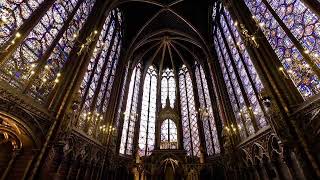
Step into the Sainte-Chapelle and you enter a house of glass, so flooded with color that visitors compared it to the enchanted castle of the Holy Grail. Professor R. Howard Bloch presents one of the most complete ensembles of medieval stained glass anywhere, two-thirds of it original. Much of it is too dense to read scene by scene (the story of Esther alone runs to well over 100 panels), so the effect is as much awe as instruction. Drawing on Pseudo-Dionysius, he reads the glass as light standing for God, and quotes a medieval visitor who felt transported to paradise on entering. Chapters: 00:00 The most complete glass anywhere 01:32 Glass too complex to read 02:38 Glass as light and jewels 03:36 The glass chapel of Arthurian legend 04:57 A foretaste of paradise Learning objectives: After watching, you'll be able to: - Describe the scale and completeness of the Sainte-Chapelle glass - Explain why the windows are difficult to read narratively - Connect the glass to the idea of light as a symbol of God - Interpret the chapel as a foretaste of paradise 📚 About the Course: An introduction to some of the most astonishing architectural monuments the world has ever known: the Gothic cathedrals of medieval France. Through the art, literature, intellectual life, economics, and new social arrangements that arose in the shadow of the cathedrals, you will explore the revival of cities in the twelfth and thirteenth centuries and come to a richer appreciation of the High Middle Ages, a world that is still recognizably our own. But what does that mean in practice? When you take this course, you will: Understand how the great cathedrals were built: Trace the engineering and architectural innovations, from Romanesque origins to Gothic stone and the delicate "house of glass," that made these structures possible. Learn to read cathedrals as art: Interpret the sculpture, stained glass, and relics of Saint-Denis, Notre-Dame de Paris, Chartres, and the Sainte-Chapelle, and see how their images served as the "Bible of the poor." Explore the world around the cathedrals: Discover the literature, learning, religion, and economic life of medieval cities, from Peter Abelard and the birth of the university to the everyday life lived in the cathedral's shadow. Course Takeaways: Appreciate the architecture and engineering of Gothic cathedrals Interpret medieval sculpture, stained glass, and religious art Understand the culture, religion, and society of the High Middle Ages 📺 Watch the full playlist on YouTube: https://www.youtube.com/playlist?list=PLJmpIR0QQnbQ 🎓 Enroll on Coursera for assessments and a certificate: https://www.coursera.org/learn/age-of-cathedrals 🌐 Explore more learning opportunities on Yale Online: https://online.yale.edu/courses/age-cathedrals

The Apse Windows of the Sainte-Chapelle | The Age of Cathedrals with R. Howard Bloch
·
· 5m14s
In the apse of the Sainte-Chapelle, the New Testament surrounds the Passion, and one prophet's window even points at an idol labeled with the name of Muhammad, on the eve of a crusade. Professor R. Howard Bloch reads the apse glass, where the Passion window stands over the altar framed by lancets of Christ's childhood, John the Evangelist, John the Baptist (whose skull bone the chapel held), and Daniel. He shows how the windows echo the detail of moralized Bibles, and how the prophets of the Tree of Jesse, Isaiah, and Ezekiel, with an early tetramorph, bridge the Old Testament and the New. Chapters: 00:00 New Testament in the apse 00:50 Windows like a moralized Bible 01:18 The Passion window 02:05 Flanking lancets and prophets 02:50 Salome and the Baptist 03:15 Jesse, Isaiah, and Ezekiel Learning objectives: After watching, you'll be able to: - Explain how New and Old Testament windows are arranged in the chapel - Describe the Passion window and its flanking lancets - Connect the glass to the moralized Bibles of 13th-century Paris - Interpret the prophetic cycle bridging the two Testaments 📚 About the Course: An introduction to some of the most astonishing architectural monuments the world has ever known: the Gothic cathedrals of medieval France. Through the art, literature, intellectual life, economics, and new social arrangements that arose in the shadow of the cathedrals, you will explore the revival of cities in the twelfth and thirteenth centuries and come to a richer appreciation of the High Middle Ages, a world that is still recognizably our own. But what does that mean in practice? When you take this course, you will: Understand how the great cathedrals were built: Trace the engineering and architectural innovations, from Romanesque origins to Gothic stone and the delicate "house of glass," that made these structures possible. Learn to read cathedrals as art: Interpret the sculpture, stained glass, and relics of Saint-Denis, Notre-Dame de Paris, Chartres, and the Sainte-Chapelle, and see how their images served as the "Bible of the poor." Explore the world around the cathedrals: Discover the literature, learning, religion, and economic life of medieval cities, from Peter Abelard and the birth of the university to the everyday life lived in the cathedral's shadow. Course Takeaways: Appreciate the architecture and engineering of Gothic cathedrals Interpret medieval sculpture, stained glass, and religious art Understand the culture, religion, and society of the High Middle Ages 📺 Watch the full playlist on YouTube: https://www.youtube.com/playlist?list=PLJmpIR0QQnbQ 🎓 Enroll on Coursera for assessments and a certificate: https://www.coursera.org/learn/age-of-cathedrals 🌐 Explore more learning opportunities on Yale Online: https://online.yale.edu/courses/age-cathedrals

The North Windows of the Sainte-Chapelle | The Age of Cathedrals with R. Howard Bloch
·
· 4m28s
In one window of the Sainte-Chapelle, light passes through a painted rod of Moses to fall on the actual rod of Moses kept below, sign and thing fused into one. Professor R. Howard Bloch reads the north side's Old Testament cycle, from the Genesis window with Adam, Eve, and Joseph to the Exodus window where God bestows the rod on Moses. Because that rod was held among the chapel's relics, Bloch uses it to explain Augustine's idea of the sacrament as a fusion of sign and thing that abolishes time. The cycle continues through Numbers, Deuteronomy, and Joshua's trumpet-blast at Jericho. Chapters: 00:00 The Genesis window 01:05 The Exodus window and the rod of Moses 02:26 When the sign fuses with the thing 03:27 Joshua and the fall of Jericho Learning objectives: After watching, you'll be able to: - Describe the Genesis and Exodus windows on the north side - Explain the significance of light passing through the painted rod of Moses - Connect the image to Augustine's idea of the sacrament - Trace the Old Testament cycle through Joshua 📚 About the Course: An introduction to some of the most astonishing architectural monuments the world has ever known: the Gothic cathedrals of medieval France. Through the art, literature, intellectual life, economics, and new social arrangements that arose in the shadow of the cathedrals, you will explore the revival of cities in the twelfth and thirteenth centuries and come to a richer appreciation of the High Middle Ages, a world that is still recognizably our own. But what does that mean in practice? When you take this course, you will: Understand how the great cathedrals were built: Trace the engineering and architectural innovations, from Romanesque origins to Gothic stone and the delicate "house of glass," that made these structures possible. Learn to read cathedrals as art: Interpret the sculpture, stained glass, and relics of Saint-Denis, Notre-Dame de Paris, Chartres, and the Sainte-Chapelle, and see how their images served as the "Bible of the poor." Explore the world around the cathedrals: Discover the literature, learning, religion, and economic life of medieval cities, from Peter Abelard and the birth of the university to the everyday life lived in the cathedral's shadow. Course Takeaways: Appreciate the architecture and engineering of Gothic cathedrals Interpret medieval sculpture, stained glass, and religious art Understand the culture, religion, and society of the High Middle Ages 📺 Watch the full playlist on YouTube: https://www.youtube.com/playlist?list=PLJmpIR0QQnbQ 🎓 Enroll on Coursera for assessments and a certificate: https://www.coursera.org/learn/age-of-cathedrals 🌐 Explore more learning opportunities on Yale Online: https://online.yale.edu/courses/age-cathedrals

The South Windows of the Sainte-Chapelle | The Age of Cathedrals with R. Howard Bloch
·
· 5m26s
Kings and queens are crowned again and again across the south windows of the Sainte-Chapelle, all of it circling back to the crown of thorns that crowns the crown of France. Professor R. Howard Bloch begins with the window of relics, Louis's signature piece showing him carrying and worshiping the relics, then the books of Kings, Esther, Judith, Job, and Tobias. The recurring theme is coronation, from Moses and Joshua to Esther, making French royalty heir to the biblical kings. He closes on the western rose of Revelation, a later window in pale, flamboyant glass. Chapters: 00:00 The window of relics 00:43 Kings and the story of Esther 02:40 Judith, Job, and Tobias 03:20 A program of coronation 04:23 The western rose Learning objectives: After watching, you'll be able to: - Explain the window of relics as Louis's signature piece - Identify the Old Testament books depicted on the south side - Interpret the recurring theme of coronation in the windows - Contrast the later western rose with the 13th-century glass 📚 About the Course: An introduction to some of the most astonishing architectural monuments the world has ever known: the Gothic cathedrals of medieval France. Through the art, literature, intellectual life, economics, and new social arrangements that arose in the shadow of the cathedrals, you will explore the revival of cities in the twelfth and thirteenth centuries and come to a richer appreciation of the High Middle Ages, a world that is still recognizably our own. But what does that mean in practice? When you take this course, you will: Understand how the great cathedrals were built: Trace the engineering and architectural innovations, from Romanesque origins to Gothic stone and the delicate "house of glass," that made these structures possible. Learn to read cathedrals as art: Interpret the sculpture, stained glass, and relics of Saint-Denis, Notre-Dame de Paris, Chartres, and the Sainte-Chapelle, and see how their images served as the "Bible of the poor." Explore the world around the cathedrals: Discover the literature, learning, religion, and economic life of medieval cities, from Peter Abelard and the birth of the university to the everyday life lived in the cathedral's shadow. Course Takeaways: Appreciate the architecture and engineering of Gothic cathedrals Interpret medieval sculpture, stained glass, and religious art Understand the culture, religion, and society of the High Middle Ages 📺 Watch the full playlist on YouTube: https://www.youtube.com/playlist?list=PLJmpIR0QQnbQ 🎓 Enroll on Coursera for assessments and a certificate: https://www.coursera.org/learn/age-of-cathedrals 🌐 Explore more learning opportunities on Yale Online: https://online.yale.edu/courses/age-cathedrals

Building a Case for Canonization | The Age of Cathedrals with R. Howard Bloch
·
· 7m21s
To turn a dead king into a saint, you need eyewitnesses, and Jean de Joinville spends his Life of Saint Louis insisting, again and again, that he was actually there. Professor R. Howard Bloch introduces Joinville's biography as a saint's life written for canonization, tied to a papal inquiry into Louis's virtues and miracles. He shows how Joinville leans on the authority of eyewitness testimony and vivid, unflattering detail, down to the king's camp illness, to guarantee the truth of his account, blurring the line between relic and reliable history. Chapters: 00:00 Paris as a new Jerusalem 01:24 Joinville's Life of Saint Louis 02:06 A life written for canonization 04:54 The importance of eyewitness 05:45 Details as proof Learning objectives: After watching, you'll be able to: - Explain the genre of a saint's life written for canonization - Describe the papal inquiry into Louis's worthiness - Analyze how Joinville uses eyewitness testimony as authority - Interpret the role of vivid detail in guaranteeing truth 📚 About the Course: An introduction to some of the most astonishing architectural monuments the world has ever known: the Gothic cathedrals of medieval France. Through the art, literature, intellectual life, economics, and new social arrangements that arose in the shadow of the cathedrals, you will explore the revival of cities in the twelfth and thirteenth centuries and come to a richer appreciation of the High Middle Ages, a world that is still recognizably our own. But what does that mean in practice? When you take this course, you will: Understand how the great cathedrals were built: Trace the engineering and architectural innovations, from Romanesque origins to Gothic stone and the delicate "house of glass," that made these structures possible. Learn to read cathedrals as art: Interpret the sculpture, stained glass, and relics of Saint-Denis, Notre-Dame de Paris, Chartres, and the Sainte-Chapelle, and see how their images served as the "Bible of the poor." Explore the world around the cathedrals: Discover the literature, learning, religion, and economic life of medieval cities, from Peter Abelard and the birth of the university to the everyday life lived in the cathedral's shadow. Course Takeaways: Appreciate the architecture and engineering of Gothic cathedrals Interpret medieval sculpture, stained glass, and religious art Understand the culture, religion, and society of the High Middle Ages 📺 Watch the full playlist on YouTube: https://www.youtube.com/playlist?list=PLJmpIR0QQnbQ 🎓 Enroll on Coursera for assessments and a certificate: https://www.coursera.org/learn/age-of-cathedrals 🌐 Explore more learning opportunities on Yale Online: https://online.yale.edu/courses/age-cathedrals

Confessor or Martyr? | The Age of Cathedrals with R. Howard Bloch
·
· 2m48s
The church made Louis a confessor, not a martyr, and Joinville spends much of his biography quietly arguing that the ruling was wrong. Professor R. Howard Bloch explains the medieval distinction between a confessor, worthy of sainthood, and a martyr, who dies for the faith. Louis was canonized only as a confessor, but Joinville, writing at a royal patron's request, builds a case that the king's years of suffering on crusade, his devotion to the cross, and his willingness to die made him a martyr in all but name. Chapters: 00:00 Confessor versus martyr 01:33 Joinville argues for martyrdom 02:44 Suffering on crusade Learning objectives: After watching, you'll be able to: - Distinguish a confessor saint from a martyr saint - Explain why Louis was canonized only as a confessor - Describe how Joinville argues for martyr status - Connect Louis's suffering on crusade to the image of Christ 📚 About the Course: An introduction to some of the most astonishing architectural monuments the world has ever known: the Gothic cathedrals of medieval France. Through the art, literature, intellectual life, economics, and new social arrangements that arose in the shadow of the cathedrals, you will explore the revival of cities in the twelfth and thirteenth centuries and come to a richer appreciation of the High Middle Ages, a world that is still recognizably our own. But what does that mean in practice? When you take this course, you will: Understand how the great cathedrals were built: Trace the engineering and architectural innovations, from Romanesque origins to Gothic stone and the delicate "house of glass," that made these structures possible. Learn to read cathedrals as art: Interpret the sculpture, stained glass, and relics of Saint-Denis, Notre-Dame de Paris, Chartres, and the Sainte-Chapelle, and see how their images served as the "Bible of the poor." Explore the world around the cathedrals: Discover the literature, learning, religion, and economic life of medieval cities, from Peter Abelard and the birth of the university to the everyday life lived in the cathedral's shadow. Course Takeaways: Appreciate the architecture and engineering of Gothic cathedrals Interpret medieval sculpture, stained glass, and religious art Understand the culture, religion, and society of the High Middle Ages 📺 Watch the full playlist on YouTube: https://www.youtube.com/playlist?list=PLJmpIR0QQnbQ 🎓 Enroll on Coursera for assessments and a certificate: https://www.coursera.org/learn/age-of-cathedrals 🌐 Explore more learning opportunities on Yale Online: https://online.yale.edu/courses/age-cathedrals
Valse berichten over 128-jarige Hitler uit Argentinië gaan viraal. #vrtnwscheck #vrtnws
 ·
· 0m39s
Meer van onze video's zien? Abonneer je hier: https://www.youtube.com/vrtnws Jullie hebben allemaal het recht om jullie mening te geven, maar heb respect voor elkaar. Reacties waarin je scheldt of iemand persoonlijk aanvalt, worden verwijderd.
The Virtues of Saint Louis | The Age of Cathedrals with R. Howard Bloch
·
· 9m32s
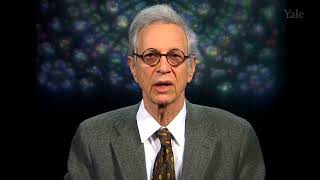
Saint Louis was famous for sitting beneath an oak tree at Vincennes, hearing any subject's case in person, rich or poor alike. Professor R. Howard Bloch surveys the virtues Joinville attributes to Louis: honesty (he refused to cheat even the Saracens), moderation, humility, and the ideal of the preudomme, both brave and wise. Louis prized reasoned debate and supported the young Sorbonne, though not, Bloch notes, when it came to Jews, whom he treated harshly. Above all he stood for justice, outlawing trial by combat in favor of inquest and reforming the courts. Chapters: 00:00 A king who keeps his word 01:14 Moderation and humility 02:35 The ideal of the preudomme 03:00 Debate, except with Jews 04:16 Reading, teaching, and peacemaking 05:31 An advocate of justice 06:13 Justice under the oak at Vincennes 08:37 Blanche's advice and charity Learning objectives: After watching, you'll be able to: - Describe the personal virtues Joinville attributes to Louis - Explain the ideal of the preudomme - Assess Louis's stance toward debate, the university, and the Jews - Summarize his judicial reforms and ideal of fairness 📚 About the Course: An introduction to some of the most astonishing architectural monuments the world has ever known: the Gothic cathedrals of medieval France. Through the art, literature, intellectual life, economics, and new social arrangements that arose in the shadow of the cathedrals, you will explore the revival of cities in the twelfth and thirteenth centuries and come to a richer appreciation of the High Middle Ages, a world that is still recognizably our own. But what does that mean in practice? When you take this course, you will: Understand how the great cathedrals were built: Trace the engineering and architectural innovations, from Romanesque origins to Gothic stone and the delicate "house of glass," that made these structures possible. Learn to read cathedrals as art: Interpret the sculpture, stained glass, and relics of Saint-Denis, Notre-Dame de Paris, Chartres, and the Sainte-Chapelle, and see how their images served as the "Bible of the poor." Explore the world around the cathedrals: Discover the literature, learning, religion, and economic life of medieval cities, from Peter Abelard and the birth of the university to the everyday life lived in the cathedral's shadow. Course Takeaways: Appreciate the architecture and engineering of Gothic cathedrals Interpret medieval sculpture, stained glass, and religious art Understand the culture, religion, and society of the High Middle Ages 📺 Watch the full playlist on YouTube: https://www.youtube.com/playlist?list=PLJmpIR0QQnbQ 🎓 Enroll on Coursera for assessments and a certificate: https://www.coursera.org/learn/age-of-cathedrals 🌐 Explore more learning opportunities on Yale Online: https://online.yale.edu/courses/age-cathedrals

Louis the Crusader | The Age of Cathedrals with R. Howard Bloch
·
· 10m31s
At Damietta, Saint Louis leapt from his boat in full armor, the water up to his armpits, and waded ashore to fight, refusing every safer option. Professor R. Howard Bloch traces Louis's crusading career through Joinville, from his piety and the secret staircase meetings with Queen Margaret under Blanche of Castile's watchful eye, to taking the cross after a near-fatal illness. He recounts the disaster at Al Mansura, Louis's capture and ransom, and the king's stubborn decision to stay in the Holy Land rather than abandon it, all of it building the case for his sanctity. Chapters: 00:00 The king who became a relic 01:07 Louis's piety 01:30 Louis and Margaret under surveillance 03:33 Taking the cross 04:25 A brave king 05:29 Leaping into the sea at Damietta 06:48 The battle of Al Mansura 08:29 Captured, then choosing to stay Learning objectives: After watching, you'll be able to: - Describe Louis's piety as portrayed by Joinville - Explain the tension between Louis, Margaret, and Blanche of Castile - Summarize the events of the seventh crusade and Louis's capture - Interpret Louis's refusal to abandon the Holy Land 📚 About the Course: An introduction to some of the most astonishing architectural monuments the world has ever known: the Gothic cathedrals of medieval France. Through the art, literature, intellectual life, economics, and new social arrangements that arose in the shadow of the cathedrals, you will explore the revival of cities in the twelfth and thirteenth centuries and come to a richer appreciation of the High Middle Ages, a world that is still recognizably our own. But what does that mean in practice? When you take this course, you will: Understand how the great cathedrals were built: Trace the engineering and architectural innovations, from Romanesque origins to Gothic stone and the delicate "house of glass," that made these structures possible. Learn to read cathedrals as art: Interpret the sculpture, stained glass, and relics of Saint-Denis, Notre-Dame de Paris, Chartres, and the Sainte-Chapelle, and see how their images served as the "Bible of the poor." Explore the world around the cathedrals: Discover the literature, learning, religion, and economic life of medieval cities, from Peter Abelard and the birth of the university to the everyday life lived in the cathedral's shadow. Course Takeaways: Appreciate the architecture and engineering of Gothic cathedrals Interpret medieval sculpture, stained glass, and religious art Understand the culture, religion, and society of the High Middle Ages 📺 Watch the full playlist on YouTube: https://www.youtube.com/playlist?list=PLJmpIR0QQnbQ 🎓 Enroll on Coursera for assessments and a certificate: https://www.coursera.org/learn/age-of-cathedrals 🌐 Explore more learning opportunities on Yale Online: https://online.yale.edu/courses/age-cathedrals

Oekraïne valt Russische webshop aan. #vrtnws #nws #wildberries #rusland #oekraine
·
· 1m1s
Meer van onze video's zien? Abonneer je hier: https://www.youtube.com/vrtnws Jullie hebben allemaal het recht om jullie mening te geven, maar heb respect voor elkaar. Reacties waarin je scheldt of iemand persoonlijk aanvalt, worden verwijderd.

The Almost Martyr | The Age of Cathedrals with R. Howard Bloch
·
· 4m17s
Louis owned the largest relic collection in the world, yet it was never enough. He wanted to experience the Passion himself, in the very place it happened. Professor R. Howard Bloch shows how Joinville catalogs four moments when Louis risked his life, all to demonstrate that he suffered like a martyr. He reads Louis's crusade as a search for authenticity: since the ultimate relic, Christ's body, could never be possessed, Louis traveled to Jerusalem to live the New Testament first-hand, even bathing in the Jordan where Christ was baptized. Chapters: 00:00 Building the case for martyrdom 00:37 Four times Louis risked his life 02:12 A search for authenticity 03:14 Experiencing the Passion firsthand Learning objectives: After watching, you'll be able to: - Explain how Joinville frames Louis as a suffering martyr - Identify the occasions on which Louis risked his life - Interpret Louis's crusade as a search for authentic experience - Connect the pull of relics to the desire to experience the Passion 📚 About the Course: An introduction to some of the most astonishing architectural monuments the world has ever known: the Gothic cathedrals of medieval France. Through the art, literature, intellectual life, economics, and new social arrangements that arose in the shadow of the cathedrals, you will explore the revival of cities in the twelfth and thirteenth centuries and come to a richer appreciation of the High Middle Ages, a world that is still recognizably our own. But what does that mean in practice? When you take this course, you will: Understand how the great cathedrals were built: Trace the engineering and architectural innovations, from Romanesque origins to Gothic stone and the delicate "house of glass," that made these structures possible. Learn to read cathedrals as art: Interpret the sculpture, stained glass, and relics of Saint-Denis, Notre-Dame de Paris, Chartres, and the Sainte-Chapelle, and see how their images served as the "Bible of the poor." Explore the world around the cathedrals: Discover the literature, learning, religion, and economic life of medieval cities, from Peter Abelard and the birth of the university to the everyday life lived in the cathedral's shadow. Course Takeaways: Appreciate the architecture and engineering of Gothic cathedrals Interpret medieval sculpture, stained glass, and religious art Understand the culture, religion, and society of the High Middle Ages 📺 Watch the full playlist on YouTube: https://www.youtube.com/playlist?list=PLJmpIR0QQnbQ 🎓 Enroll on Coursera for assessments and a certificate: https://www.coursera.org/learn/age-of-cathedrals 🌐 Explore more learning opportunities on Yale Online: https://online.yale.edu/courses/age-cathedrals

The King Becomes a Relic | The Age of Cathedrals with R. Howard Bloch
·
· 9m18s
The greatest relic collector of the Middle Ages got the ending he wanted: after his death, Saint Louis's own boiled bones were divided up and began to work miracles. Professor R. Howard Bloch describes how Louis's body was split among Sicily, Saint-Denis, the Sainte-Chapelle, and Notre-Dame, then recounts several of the 65 documented miracles of healing at his tomb, cures of paralysis and disease investigated in a serious canonical inquiry. He closes on the long arc from medieval faith to Renaissance skepticism, when the aura of relics migrated into the work of art itself. Chapters: 00:00 Louis wanted to be a relic 00:52 The king's body divided and distributed 01:29 The cure of Emmelot 03:07 The cure of little Jenny 05:34 The cure of Gile 07:36 Miracles on trial 08:14 From relic to work of art Learning objectives: After watching, you'll be able to: - Explain how Louis's remains were divided after his death - Summarize examples of the miracles attributed to his relics - Describe the canonical inquiry that examined the miracles - Trace how relic-belief gave way to art in later centuries 📚 About the Course: An introduction to some of the most astonishing architectural monuments the world has ever known: the Gothic cathedrals of medieval France. Through the art, literature, intellectual life, economics, and new social arrangements that arose in the shadow of the cathedrals, you will explore the revival of cities in the twelfth and thirteenth centuries and come to a richer appreciation of the High Middle Ages, a world that is still recognizably our own. But what does that mean in practice? When you take this course, you will: Understand how the great cathedrals were built: Trace the engineering and architectural innovations, from Romanesque origins to Gothic stone and the delicate "house of glass," that made these structures possible. Learn to read cathedrals as art: Interpret the sculpture, stained glass, and relics of Saint-Denis, Notre-Dame de Paris, Chartres, and the Sainte-Chapelle, and see how their images served as the "Bible of the poor." Explore the world around the cathedrals: Discover the literature, learning, religion, and economic life of medieval cities, from Peter Abelard and the birth of the university to the everyday life lived in the cathedral's shadow. Course Takeaways: Appreciate the architecture and engineering of Gothic cathedrals Interpret medieval sculpture, stained glass, and religious art Understand the culture, religion, and society of the High Middle Ages 📺 Watch the full playlist on YouTube: https://www.youtube.com/playlist?list=PLJmpIR0QQnbQ 🎓 Enroll on Coursera for assessments and a certificate: https://www.coursera.org/learn/age-of-cathedrals 🌐 Explore more learning opportunities on Yale Online: https://online.yale.edu/courses/age-cathedrals

Cathedrals from the Middle Ages to the Present | The Age of Cathedrals with R. Howard Bloch
·
· 16m3s
The cathedrals we visit today are survivors of revolution, fire, and war, and much of what we see was reimagined by a single 19th-century restorer who carved his own face into Notre-Dame. In the final lecture, Professor R. Howard Bloch traces the long history of Gothic cathedrals from their medieval construction through the destruction of the Revolution, decades of neglect, natural disasters, and the bombardments of two world wars. He centers on Eugene-Emmanuel Viollet-le-Duc, whose restorations of Vezelay, Carcassonne, the Sainte-Chapelle, and Notre-Dame saved the buildings while taking real liberties, including the famous modern gargoyles. The cathedrals endure as living monuments of a medieval world still recognizably our own. Chapters: 00:00 A history of destruction and restoration 01:15 The Revolution's damage 03:07 Neglect and natural disasters 04:11 Fire and the damage of war 05:26 Viollet-le-Duc, the great restorer 07:41 What "restoration" means 08:11 Restoring Notre-Dame 11:16 The modern gargoyles 12:49 The restorer's signature 15:09 Cathedrals in our own age Learning objectives: After watching, you'll be able to: - Summarize the main causes of damage to cathedrals since the Middle Ages - Describe Viollet-le-Duc's major restoration projects - Explain his definition of "restoration" and its controversies - Assess how restorers shaped the cathedrals we see today - Reflect on the changing function of cathedrals into the present 📚 About the Course: An introduction to some of the most astonishing architectural monuments the world has ever known: the Gothic cathedrals of medieval France. Through the art, literature, intellectual life, economics, and new social arrangements that arose in the shadow of the cathedrals, you will explore the revival of cities in the twelfth and thirteenth centuries and come to a richer appreciation of the High Middle Ages, a world that is still recognizably our own. But what does that mean in practice? When you take this course, you will: Understand how the great cathedrals were built: Trace the engineering and architectural innovations, from Romanesque origins to Gothic stone and the delicate "house of glass," that made these structures possible. Learn to read cathedrals as art: Interpret the sculpture, stained glass, and relics of Saint-Denis, Notre-Dame de Paris, Chartres, and the Sainte-Chapelle, and see how their images served as the "Bible of the poor." Explore the world around the cathedrals: Discover the literature, learning, religion, and economic life of medieval cities, from Peter Abelard and the birth of the university to the everyday life lived in the cathedral's shadow. Course Takeaways: Appreciate the architecture and engineering of Gothic cathedrals Interpret medieval sculpture, stained glass, and religious art Understand the culture, religion, and society of the High Middle Ages 📺 Watch the full playlist on YouTube: https://www.youtube.com/playlist?list=PLJmpIR0QQnbQ 🎓 Enroll on Coursera for assessments and a certificate: https://www.coursera.org/learn/age-of-cathedrals 🌐 Explore more learning opportunities on Yale Online: https://online.yale.edu/courses/age-cathedrals

Connor Rice acting like a robot until his fiancée notices - BBC
·
· 1m19s
Yvonne has the patience of a saint 😭 @connorandyvonne #AnnDroid #DianeMorgan #Comedy #Funny Sue’s (Sue Johnston) husband passed away 18 months ago and her only son, Michael (Paul Ready), is moving out to try and fix his marriage. But the good news is he’s leaving Sue in the care of Linda (Diane Morgan) a social humanoid robot, created to keep elderly people company and monitor their health.

Johanna Fernández Dies at 55: Leading Scholar on the Young Lords & Latinx Freedom Movement
 ·
· 8m35s
Support our work: https://democracynow.org/donate/sm-desc-yt We look at the life and legacy of Dominican American historian, activist and prison abolitionist Dr. Johanna Fernández, who died on July 30 after a long battle with cancer. She was 55 years old. As a professor of history at Baruch College and the CUNY Graduate Center, Fernández was a leading scholar of the Young Lords, the radical 1960s civil rights organization founded in Chicago and New York and modeled on the Black Panthers. Fernández also created the Latinx Freedom Movement Archive and Exhibition Project, alongside historian Felipe Hinojosa. The exhibition is currently on view at The Shed in New York City, as well as in Chicago and Los Angeles. Iterations will also be presented in Houston and Washington, D.C. Democracy Now! is an independent global news hour that airs on over 1,500 TV and radio stations Monday through Friday. Watch our livestream at democracynow.org Mondays to Fridays 8-9 a.m. ET. Subscribe to our Daily Email Digest: https://democracynow.org/subscribe
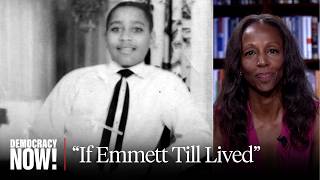
"If Emmett Till Lived": Cultural Historian Sarah Lewis on New Book/Exhibit, Visit to Mississippi
·
· 49m15s
Support our work: https://democracynow.org/donate/sm-desc-yt More than 70 years after the kidnapping, torture and lynching of 14-year-old Emmett Till in Mississippi, a major new photography exhibit and companion book ask how the world would be different “If Emmett Till Lived.” The Black teenager’s brutal murder, as well as his open-casket funeral that displayed his mutilated body, shocked the United States in 1955 and became a galvanizing moment in the civil rights movement. If Till had lived, he would be just over 85 years old today. Democracy Now! is an independent global news hour that airs on over 1,500 TV and radio stations Monday through Friday. Watch our livestream at democracynow.org Mondays to Fridays 8-9 a.m. ET. Subscribe to our Daily Email Digest: https://democracynow.org/subscribe

“Department of Injustice”: Norm Eisen on Todd Blanche AG Nom, Reflecting Pool Vandalism Case
·
· 11m37s
Support our work: https://democracynow.org/donate/sm-desc-yt Todd Blanche’s nomination for attorney general cleared a major hurdle this week after two Republican senators who had raised concerns agreed to back him. Blanche gave written assurances that a $1.8 billion “anti-weaponization fund” designed to pay Trump allies would not be resurrected, and that a settlement between Trump and the Internal Revenue Service only gave the president retroactive immunity from audits rather than perpetual protection. The Senate Judiciary Committee votes on Blanche’s nomination Tuesday, with the full Senate expected to vote later in the week. Blanche, President Donald Trump’s former personal attorney and acting attorney general since April, has been central in many of the administration’s most controversial episodes, including prosecutions of Trump opponents and the botched rollout of files related to Jeffrey Epstein. If confirmed, Blanche would entrench a culture of corruption at the Justice Department, warns legal expert Norm Eisen. “There have been a series of offenses against the rule of law, miscarriages of justice,” he tells Democracy Now! Eisen is co-founder and executive chair of Democracy Defenders Fund. He previously served as White House special counsel for ethics and government reform in the Obama administration. The Justice Department recently dropped charges against his client, former Olympic athlete Davey Hearn, who had been accused of vandalizing the Lincoln Memorial Reflecting Pool. Democracy Now! is an independent global news hour that airs on over 1,500 TV and radio stations Monday through Friday. Watch our livestream at democracynow.org Mondays to Fridays 8-9 a.m. ET. Subscribe to our Daily Email Digest: https://democracynow.org/subscribe

Top U.S. & World Headlines — August 4, 2026
·
· 13m9s
Support our work: https://democracynow.org/donate/sm-desc-yt Democracy Now! is an independent global news hour that airs on over 1,500 TV and radio stations Monday through Friday. Watch our livestream at democracynow.org Mondays to Fridays 8-9 a.m. ET. Subscribe to our Daily Email Digest: https://democracynow.org/subscribe

Spanje krijgt volle laag van EU landen
 ·
· 1m42s
Nadat tienduizenden migranten afgelopen weekend de Spaanse exclave Ceuta bestormden, kreeg Spanje de volle laag van andere EU-landen. Leiders van onder andere Italië, Denemarken en Finland vreesden dat de migranten via het Schengen-verdrag naar het Europese vasteland zouden doorreizen. Ze dreigden zelfs de Schengen-samenwerking met Spanje op te zeggen. Hun vrees bleek ongegrond: niet één migrant is doorgereisd naar het Europese vasteland. Later kwamen verschillende EU-landen en ook Commissievoorzitter Ursula von der Leyen terug op hun felle woorden. "Nu moeten ze de schade beperken." #Ceuta #Marokko #Spanje #EU

Physicists Say They’ve Found The Origin Of Causality
 ·
· 6m17s
Take back your personal data with Incogni! Use code Sabine at the link below and get 60% off annual plans: https://incogni.com/sabine Over the years, physicists have become increasingly enamored with “quantum weirdness,” the many strange features of quantum mechanics that are extremely hard to explain. In a new paper, a group of researchers have tried to cut through the weirdness by analyzing how causal order really works. By doing so, they hope to set up a deeper framework that can combine quantum mechanics with gravity. Let’s take a look. #physics #science #quantum #sciencenews Paper: https://journals.aps.org/pra/abstract/10.1103/kmmy-3dy3 👕T-shirts, mugs, posters and more: ➜ https://sabines-store.dashery.com/ 💌 Support me on Donorbox ➜ https://donorbox.org/swtg 👉 Transcript with links to references on Patreon ➜ https://www.patreon.com/Sabine 📝 Transcripts and written news on Substack ➜ https://sciencewtg.substack.com/ 📩 Free weekly science newsletter ➜ https://sabinehossenfelder.com/newsletter/ 👂 Audio only podcast ➜ https://open.spotify.com/show/0MkNfXlKnMPEUMEeKQYmYC 🔗 Join this channel to get access to perks ➜ https://www.youtube.com/channel/UC1yNl2E66ZzKApQdRuTQ4tw/join 📚 Buy my book ➜ https://amzn.to/3HSAWJW

Hide Your Palm for Success! #shorts #classicalguitarshed #classicalguitar #guitartips #guitar
 ·
· 0m42s
Uncover a common mistake! If your left palm is visible in a video or mirror, your hand position needs adjustment. Keep the pinky in check, avoid gluing fingers to the guitar's side. Aim for the back of your hand to enhance reach and precision. #classicalguitarshed #GuitarTechnique #LeftHandPosition #GuitarMistakes #HandVisibility #PrecisionPlaying

How NOT to have an affair | Such Brave Girls - BBC
·
· 3m10s
Billie is trying her hardest to make this affair work, but doing it in Graham's wife's car isn't exactly what she had in mind. #Funny #SuchBraveGirls #Affair Crashing through life armed with massive egos, poor judgement and misplaced love, this totally tragic family tries to patch things up. BAFTA-winning chaotic comedy from Kat Sadler. Subscribe and 🔔 to the BBC 👉 https://bit.ly/BBCYouTubeSub Watch the BBC first on iPlayer 👉 https://bbc.in/iPlayer-Home


Judi Dench and Louis Theroux learn a TikTok dance - BBC
·
· 0m30s
Going down lockdown memory lane 🕺 Watch this and more Louis Theroux on BBC iPlayer #LouisTheroux #JudiDench #BBCDocumentary Award-winning filmmaker Louis Theroux has a conversation with famous celebrities regarding their career and personal life. Subscribe and 🔔 to the BBC 👉 https://bit.ly/BBCYouTubeSub Watch the BBC first on iPlayer 👉 https://bbc.in/iPlayer-Home

Lezing Anselm Kiefer
 ·
· 1h41m

Lezing Bouwen met of in Aarde
·
· 1h37m

No matter what today brings, you should be proud of yourself 🏴 - BBC
·
· 1m3s
Good luck 💜 - BBC Bitesize #ResultsDay2026 #Scotland #SQAresults #SQAResultsDay #Scottish Subscribe and 🔔 to the BBC 👉 https://bit.ly/BBCYouTubeSub Watch the BBC first on iPlayer 👉 https://bbc.in/iPlayer-Home

Using 20-sided dice to stabilise my walking machine?
 ·
· 23m29s
Ad: Check out PCBWay for all your project needs! Get $10 off orders over $30 with code: PCBWay-JamesBruton-10 - https://www.pcbway.com/?from=JamesBruton It's time to test the latest walking machine. It's a quadruped and its inherent mechanics mean that diagonal legs are linked so two feet have to move at once. This leaves only two feet on the ground so we need a way to stabilise the robot when walking on uneven terrain. I took the robot to EMFCamp to test it! This project is open source: https://github.com/XRobots/Mid-Walker You can support me on Patreon, join my Discord, or buy my Merchandise: *************************** Discord: https://discord.com/invite/fc6MedG7eW Patreon: https://www.patreon.com/xrobots Merch Store: https://james-bruton.teemill.com/collection/all-products/ *************************** Other socials: *************************** Instagram: https://www.instagram.com/xrobotsuk Twitter: https://twitter.com/xrobotsuk Facebook: https://www.facebook.com/xrobotsuk/ *************************** Affiliate links - I will get some money of you use them to sign up or buy something: *************************** Music for your YouTube videos: http://share.epidemicsound.com/xrobots *************************** CAD and Code for my projects: https://github.com/XRobots Huge thanks to my Patrons, without whom my standard of living would drastically decline. Like, inside out-Farm Foods bag decline. Plus a very special shoutout to Lulzbot, Inc who keep me in LulzBot 3D printers and support me via Patreon. HARDWARE/SOFTWARE Below you can also find a lot of the typical tools, equipment and supplies used in my projects: Filament from: https://polymaker.com/ Lulzbot 3D Printers: http://bit.ly/2Sj6nil Bearings from: https://simplybearings.co.uk/ Lincoln Electric Welder: https://bit.ly/2Rqhqos CNC Router: https://bit.ly/2QdsNjt Ryobi Tools: http://bit.ly/2RhArcD 3D Printer Filament: http://bit.ly/2PdcdUu Soldering Iron: http://bit.ly/2DrNWDR Vectric CNC Software: http://bit.ly/2zxpZqv CAD content is sponsored by Autodesk Fusion 360

Three things to know about Armenia
 ·
· 1m47s
Watch the full video on our channel! This report was supported by the Pulitzer Center.

This scary stories isn’t child friendly - BBC
·
· 1m12s
Cheers Linda, kids are crying x #AnnDroid #DianeMorgan #Comedy #Funny Sue’s (Sue Johnston) husband passed away 18 months ago and her only son, Michael (Paul Ready), is moving out to try and fix his marriage. But the good news is he’s leaving Sue in the care of Linda (Diane Morgan) a social humanoid robot, created to keep elderly people company and monitor their health.

The Iconic Drumming Behind "Even Flow" | Pearl Jam
 ·
· 11m0s
Dave Krusen is the original drummer of Pearl Jam and the driving force behind one of rock's most iconic drum performances: "Even Flow." In this episode, he breaks down the grooves, fills, and approach that helped define the band's early sound on Ten. He also shares how the song came together, the drummers who influenced his playing, and how he used dynamics to bring "Even Flow" to life. The *NEW* Musora App (Free 7-Day Trial) ► https://www.drumeo.com/trial-yt?vid=sbzN0mQw7kE Check out the microphones used in your favorite Drumeo videos (Earthworks x Musora) ► https://earthworksaudio.com/musora _______________ Chapters: 00:00 - Intro 00:21 - Writing "Even Flow" & The Steve Jordan Influence 01:45 - Full Performance 07:06 - The Intro 07:57 - The Verse 08:37 - The Chorus 09:01 - The Breakdown & Outro 09:56 - The Rock & Roll Hall Of Fame Performance _______________ Follow Dave Krusen ►Website: https://davekrusen.com ►Instagram: https://www.instagram.com/davekrusen Follow @BrandonToews ►Instagram: https://www.instagram.com/brandon.toews/ ►Facebook: https://www.facebook.com/brandon.toews ►TikTok: https://www.tiktok.com/@brandon.toews ►X: https://twitter.com/btoews_drums Follow @DrumeoOfficial ►The Drumeo Beat: https://www.drumeo.com/beat/ ►Facebook: http://facebook.com/drumeo/ ►Instagram: http://instagram.com/drumeoofficial/ ►TikTok: https://www.tiktok.com/@drumeoofficial ►Clips Channel: @DrumeoClips _______________ #Drumeo #PearlJam #DaveKrusen

Will Michigan Rewrite the Rules of Democratic Politics?
 ·
· 40m33s
In Michigan, a race for U.S. Senate is not only testing the growing appeal of left-wing populism. It could also be a turning point in a long-running debate among Democratic voters about the importance of electability. Michael Kruse, who writes about politics for The New York Times, traveled to Michigan with the producers Asthaa Chaturvedi and Anna Foley of “The Daily” to speak to voters and campaign volunteers. Guest: Michael Kruse (https://www.nytimes.com/by/michael-kruse) , a politics reporter for The New York Times. Background reading: • Michigan’s tense Democratic Senate race poses a big test for a divided party (https://www.nytimes.com/2026/08/03/us/michigan-senate-primary-democrats-el-sayed-stevens.html) . • Can a progressive win in a purple state? (https://www.nytimes.com/2026/07/27/us/politics/el-sayed-michigan-senate.html) Abdul El-Sayed wants to find out. Photo: Nic Antaya for The New York Times For more information on today’s episode, visit nytimes.com/thedaily (http://nytimes.com/thedaily?smid=pc-thedaily) . Transcripts of each episode will be made available by the next workday. For more information on today’s episode, visit nytimes.com/thedaily (http://nytimes.com/thedaily?smid=pc-thedaily) . Transcripts of each episode will be made available by the next workday. Subscribe today at nytimes.com/podcasts (http://nytimes.com/podcasts) or on Apple Podcasts, Spotify and Amazon Music. You can also subscribe via your favorite podcast app here https://www.nytimes.com/activate-access/audio?source=podcatcher. For more podcasts and narrated articles, download The New York Times app at nytimes.com/app.

Why Humanity Will Never Leave The Solar System
 ·
· 14m8s
🌎 Get an exclusive 15% discount on Saily data plans! Use the code "kurzgesagt" at checkout. Download the Saily app or go to: https://saily.com/kurzgesagt ⛵ Watch the Universe ✨die✨. The LIMITED EDITION Vanishing Stars Pin just dropped on the kurzgesagt shop: https://shop.kgs.link/VanishingStars Only 10,000 exist, and each one is individually numbered. And it’s our first ever animated pin! Tilt it and witness the end of everything. Sources & further reading: https://sites.google.com/view/sources-the-barrier/ After exploring most of Earth, venturing into space and exploring other planets, stars and galaxies seemed like an exciting, and even obvious next step. But the deeper we look, the more the universe reveals a hidden barrier between our Solar System and everything else around it. From the vast empty space, to the laws of physics themselves, there are many reasons why the dream of space travel might stay just a dream. What is stopping us from reaching the stars? Why does space become more dangerous the faster you travel, and could even advanced alien civilizations be trapped around their home worlds? OUR CHANNELS ▀▀▀▀▀▀▀▀▀▀▀▀▀▀▀▀▀▀▀▀▀▀▀▀▀▀ German: https://kgs.link/youtubeDE Spanish: https://kgs.link/youtubeES French: https://kgs.link/youtubeFR Portuguese: https://kgs.link/youtubePT Arabic: https://kgs.link/youtubeAR Hindi: https://kgs.link/youtubeHI Japanese: https://kgs.link/youtubeJA Korean: https://kgs.link/youtubeKO HOW CAN YOU SUPPORT US? ▀▀▀▀▀▀▀▀▀▀▀▀▀▀▀▀▀▀▀▀▀▀▀▀▀▀ This is how we make our living and it would be a pleasure if you support us! Get Products designed with ❤️ https://shop.kgs.link Join the Patreon Bird Army 🐧 https://kgs.link/patreon DISCUSSIONS & SOCIAL MEDIA ▀▀▀▀▀▀▀▀▀▀▀▀▀▀▀▀▀▀▀▀▀▀▀▀▀▀ Instagram: https://kgs.link/instagram TikTok: https://kgs.link/tiktok Reddit: https://kgs.link/reddit Discord: https://kgs.link/discord Twitter: https://kgs.link/twitter Bluesky: https://kgs.link/bluesky Facebook: https://kgs.link/facebook Newsletter: https://kgs.link/newsletter OUR VOICE ▀▀▀▀▀▀▀▀▀▀▀▀▀▀▀▀▀▀▀▀▀▀▀▀▀▀ The kurzgesagt voice is from Steve Taylor: https://kgs.link/youtube-voice OUR MUSIC ♬♪ ▀▀▀▀▀▀▀▀▀▀▀▀▀▀▀▀▀▀▀▀▀▀▀▀▀▀ 700+ minutes of kurzgesagt soundtracks by Epic Mountain: Spotify: https://kgs.link/music-spotify Soundcloud: https://kgs.link/music-soundcloud Bandcamp: https://kgs.link/music-bandcamp Youtube: https://kgs.link/music-youtube Facebook: https://kgs.link/music-facebook If you want to help us caption this video, please send subtitles to subtitle@kurzgesagt.org You can find info on what subtitle files work on YouTube here: https://support.google.com/youtube/answer/2734698?hl=en-GB&ref_topic=7296214 Thank you! 🐦🐧🐤 PATREON BIRD ARMY 🐤🐧🐦 ▀▀▀▀▀▀▀▀▀▀▀▀▀▀▀▀▀▀▀▀▀▀▀▀▀▀ Many thanks to our wonderful Patreons (from http://kgs.link/patreon) who support us every month and made this video possible: Andy Wang, chirpcel, Chris, Clayton Bigham, Gary Hertel, James R, Jonathan Russ, Julian Hartline, Kakai, Mark McDonald, Sarah Walsh Aghajanian, Tanya Blais, Екатерина Шульман

Politie neemt meer wapens in beslag
 ·
· 1m33s
De politie neemt vaker luchtdrukwapens, gas- en alarmpistolen in beslag. Die wapens zijn verboden in Nederland, maar zo gekocht in België en Duitsland. Dat baart de politie zorgen, omdat de wapens niet of nauwelijks van echt te onderscheiden zijn. #vuurwapens #illegaal #luchtdrukwapens
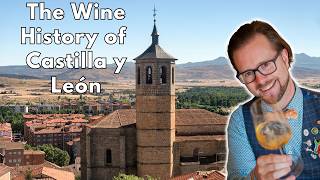
Castilla y León Wine History: Duero, Vega Sicilia & Bierzo
 ·
· 14m9s
Explore the wine history of Castilla y León, one of Spain’s most important and diverse wine-producing regions. Join my Wine With Jimmy Club for the complete Mastering Spain series, regional wine deep-dives, tasting notes, food and wine recommendations, interviews and exclusive wine education videos: https://e-learningwine.winewithjimmy.com/program/wwj-club In this episode of Mastering Spain, I follow the development of wine in Castilla y León from the ancient Vaccaei and Roman viticulture through the Reconquista, the Camino de Santiago and the rise of modern Spanish fine wine. I look at the importance of the Duero River, which flows through key wine areas including Ribera del Duero and Toro before continuing into Portugal as the Douro. I also explore the historic wines of Toro and Rueda, the foundation of Vega Sicilia, the arrival of phylloxera and the producers who helped bring Tempranillo, Bierzo and Mencía to international attention. Featured regions, wineries and winemakers include Ribera del Duero, Toro, Rueda, Bierzo, Vega Sicilia, Tinto Pesquera, Pingus, Bodegas Aalto, Alejandro Fernández, Mariano García, Peter Sisseck, Raúl Pérez, Ricardo Pérez Palacios and Álvaro Palacios. CHAPTERS 00:00 Introduction to Castilla y León Wine 00:59 Castilla y León: History, Heritage and Geography 02:55 The Duero River and Spain’s Wine Regions 04:06 Ancient Winemaking, the Romans and Vía de la Plata 06:34 The Reconquista and Camino de Santiago 08:06 Toro, Rueda and the Wines of Medieval Castile 09:08 Vega Sicilia and the Rise of Ribera del Duero 10:41 Phylloxera and the Transformation of Spanish Wine 11:46 Modern Castilla y León Winemakers and Wine Pioneers #SpanishWine #CastillayLeon #WineEducation



Hoogspanningslijn Brabo 3 opgestart, gaat uitwisseling stroom met Nederland verbeteren
·
· 1m38s
In de haven van Antwerpen is de hoogspanningslijn Brabo 3 officieel geopend in aanwezigheid van premier Bart De Wever (N-VA) en de Nederlandse minister-president Rob Jetten. Die moet het stroomnet rond de haven versterken en uitwisseling van elektriciteit met Nederland vergemakkelijken. Meer van onze video's zien? Abonneer je hier: https://www.youtube.com/vrtnws Jullie hebben allemaal het recht om jullie mening te geven, maar heb respect voor elkaar. Reacties waarin je scheldt of iemand persoonlijk aanvalt, worden verwijderd.

Steam Machine Teardown - My Grandma is Confused...
 ·
· 6m44s
Its time to take apart the new Steam Machine - what did they hide inside? Grab one of our X-Ray Skins for your devices here: https://dbrand.com/shop/skins/steam-machine-skins The steam machine is actually surprisingly repairable and upgradable. Adding a 2nd stick of 16gb ram should be an easy no-brainer for anyone who has an extra laying around. Would you upgrade your steam machine? What games would you play first on your own Steam Machine?

🗣 “Have you smelt an ice cream before?” - BBC
·
· 0m34s
🍦VERY cheeky, Tymal Mills! 😂 @BBCSport #TheHundred #Cricket Subscribe and 🔔 to the BBC 👉 https://bit.ly/BBCYouTubeSub Watch the BBC first on iPlayer 👉 https://bbc.in/iPlayer-Home

Bosbrand Limburg woedt nog steeds
·
· 0m44s
De natuurbrand in Oostrum is nog steeds niet onder controle. #limburg #bosbrand #brandweer #nosnieuws