
Vid Pix - A modern(ish) take on the Atari Video Music
 ·
· 14m57s
·
· 14m57s
If you want a video music visualiser in a box you're not exactly spoilt for choice. So far I've only found this one. Available from https://www.etsy.com/shop/Synthrotek?search_query=vid+pix MERCHANDISE Techmoan Merchandise is available from https://nerdkeyz.etsy.com/ SUBSCRIBE http://www.youtube.com/user/Techmoan?sub_confirmation=1 SUPPORT This channel can be supported through Patreon https://www.patreon.com/techmoan *******Patrons usually have early access to videos******* OUTRO MUSIC Over Time - Vibe Tracks https://youtu.be/VSSswVZSgJw AFFILIATED LINKS/ADVERTISING NOTICE All links are Affiliated where possible. When you click on links to various merchants posted here and make a purchase, this can result in me earning a commission. Affiliate programs and affiliations include, but are not limited to, the eBay Partner Network & Amazon. I am a participant in the Amazon Services LLC Associates Program, an affiliate advertising program designed to provide a means for sites to earn advertising fees by advertising and linking to AMAZON Sites (including, but not limited to Amazon US/UK/DE/ES/FR/NL/IT/CAN

Zenless Zone Zero 1st Anniversary! How many characters did I play?
 ·
· 1m38s
·
· 1m38s
Zenless Zone Zero 1st Anniversary! But actually, I first mimicked it two years ago (≧∇≦」∠) Thanks for watching! Please don't forget to subscribe my channel! http://www.youtube.com/channel/UCkrEKcRUiaMkG1I3is2fhLA/featured?sub_confirmation=1 ------------------------------------------------------------------ 💖 Hi, I'm Xi Xi Yu Sakana — a professional motion capture actress from Chengdu Big Eyes Technology Co., Ltd. If you enjoy my videos, don’t forget to subscribe and turn on the bell 🔔 for updates! Your support means a lot to me 💫 You can also find me here: Bilibili: https://space.bilibili.com/3546375581075852 Tiktok: https://www.tiktok.com/@xixi.yu.c Instagram: https://www.instagram.com/xixiyu_sakana/ X/ Twitter: https://x.com/xixiyusakana #motioncapture #mocap #videogame #movie #martialarts #acting
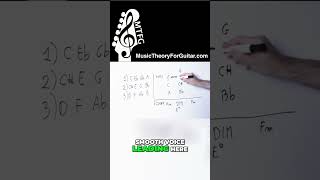
Use THIS CHORD To Make More Interesting Progressions!
 ·
· 0m52s
·
· 0m52s
Want to use more diminished chords in your music? Watch this video to learn more: https://bit.ly/40J0QGI

Friday Night Chess - !join - 8-29-2025
 ·
· 3h2m
·
· 3h2m
Made with Restream. Livestream on 30+ platforms at once via https://restream.io Friday Night Chess

Name the creature!
 ·
· 0m8s
·
· 0m8s
I had a blast making this birthday gift for @oompaville! Do you recognize this creature? Tell me in the comments!

The Most Evil YouTube Downfall Ever (He Lost Everything)
 ·
· 22m29s
·
· 22m29s
This is the evil downfall of Brad Taste In Music... How he went from being an up-and-coming creator making it big with music reactions, to being hated universally on the platform and being arrested for horrible reasons... This is the deserved downfall downfall of Brad Taste in Music. Thank you for watching! Sponsorship Inquiries: sponsors@theinternetanarchist.com

Try Out This JAZZY Diminished Progression!
·
· 0m28s
Want to write diminished progressions like THIS? Watch the full video here to find out how: https://bit.ly/44UvBuH

Five Minutes with Ben: D Gukesh vs Levon Aronian, Sinquefield Cup 2025
·
· 6m31s
Five Minutes with Ben: D Gukesh vs Levon Aronian, Sinquefield Cup 2025 Recorded on August 27, 2025 in Roswell, GA If you're interested in sponsoring a lecture of your choice, email Karen at karen@atlchessclub.com Check out Ben's Chessable courses here! https://www.chessable.com/author/BenFinegold/ Signup or gift a chess.com Premium membership to get access to their lessons, remove ads, improve your chess, AND help Ben at the same time!! Upgrade your chess.com membership or join! - http://go.chess.com/finegold. Watch live at https://www.twitch.tv/itsBenAndKaren Donations are appreciated at: https://streamlabs.com/itsBenandKaren/tip Follow me on Twitter: https://twitter.com/ben_finegold #benfinegold #chess #5minswithben

Why the C.D.C.’s Vaccine Chief Resigned
 ·
· 1m46s
·
· 1m46s
Dr. Demetre Daskalakis, the former vaccine chief at the Centers for Disease Control and Prevention, spoke with Rachel Abrams, a host of "The Daily" at The New York Times, about why he decided to resign as a senior official at the C.D.C. #vaccine #cdc #rfkjr #covid19
MODEL STEAM ENGINES - TOP TIP TIME - PART #80
 ·
· 7m16s
·
· 7m16s
Model Steam Engines - Top Tip Time - Part #80. This Compilation Episode shows a quick and simple repair to a Stuart Twin Launch Marine Steam Engine using JB-Weld epoxy resin. https://www.patreon.com/keithappleton IF YOU ENJOY WATCHING THESE DETAILED TUTORIAL VIDEOS THAT I PRODUCE TO HELP BEGINNERS TO THE HOBBY, THEN PLEASE BECOME A PATRON OF MY YOUTUBE CHANNEL VIA "PATREON" AND ALLOW ME THE TIME TO MAKE EVEN MORE OF THESE SPECIALIST AND HIGHLY DETAILED TUTORIAL VIDEOS. AS A PATREON SUPPORTER YOU ARE ABLE TO ACCESS MANY OF MY VIDEOS THAT ARE NOT FOR PUBLIC VIEW ON YOUTUBE. PLEASE VISIT MY WEBSITE FOR THE VERY EASY TO USE COMPREHENSIVE PLAYLIST INDEX OF ALL OF MY YOUTUBE VIDEOS: www.mainsteam.co.uk OR CLICK HERE FOR PATREON: https://www.patreon.com/keithappleton Please become a member of my Youtube Channel to get access to extra videos: https://www.youtube.com/channel/UCgeQiJg-PIH5MZQn0aRd1mg/join

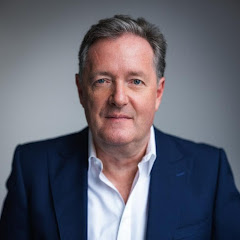
Piers Morgan's Most Controversial Walkouts! Trump, Kanye, Jake Paul & More!
 ·
· 18m45s
·
· 18m45s
You can't please everyone, especially when you're Piers Morgan.. which has led to some rather tense moments on Uncensored, with interviews ending abruptly with a disgruntled guest walking out. From Kanye, to President Trump, Piers' probing questions have made even the most formidable of men sweat - take a look! Subscribe to stay up-to-date on all Uncensored content. Follow Piers Morgan Uncensored on: X: https://x.com/PiersUncensored Instagram: https://www.instagram.com/piersmorganuncensored/ Facebook: https://www.facebook.com/piersmorganuncensored TikTok: https://www.tiktok.com/@piersmorganuncensored Follow Piers Morgan on: X: https://x.com/piersmorgan Instagram: https://www.instagram.com/piersmorgan #trump #interview #piersmorgan

August 29, 2025
 ·
· 0m51s
·
· 0m51s

The World’s First Space Truck
 ·
· 0m55s
·
· 0m55s
This truck is going to the moon! So there are some big differences between it and your normal car... Why do we need a new moon truck? It can go faster than any vehicle ever has on the moon, which will help us go farther than we could before. To see me and @MichelleKhare put this truck to the test... subscribe! #shorts #science #moon #rover #truck #astronauts

Émilie Fend Plays “Syracuse” on a Friederich 🎶
 ·
· 0m53s
·
· 0m53s
🎸This guitar is available in our Siccas Guitars shop: https://www.siccasguitars.com/shop/guitar/daniel-friederich-1968-6/ Support our channel and become a SiccasGuitars Member with exclusive classical guitar nerd perks: https://www.youtube.com/channel/UCR39sLAZ5wS_vrMo4tRylHw/join ‾‾‾‾‾‾‾‾‾‾‾‾‾‾‾‾‾‾‾‾‾‾‾‾‾‾‾‾‾‾‾‾‾‾‾‾‾‾‾‾‾‾‾‾‾‾‾‾‾‾‾‾‾‾‾‾‾‾‾‾‾‾‾‾ Follows us on: ► Instagram: https://www.instagram.com/siccasguitars/ ► TikTok: https://www.tiktok.com/@siccasguitars ► Facebook: https://www.facebook.com/siccasguitars/ ► Twitter: https://twitter.com/siccasguitars WEBSITES: ► https://www.siccasmedia.com/ ► https://www.siccasguitars.com/ ► https://playsomethingcool.com/ NEWSLETTER: ► http://bit.ly/SiccasGuitars CONTACT US: ► info@siccasguitars.com ► 76137 Karlsruhe, Roonstr. 31, Germany ‾‾‾‾‾‾‾‾‾‾‾‾‾‾‾‾‾‾‾‾‾‾‾‾‾‾‾‾‾‾‾‾‾‾‾‾‾‾‾‾‾‾‾‾‾‾‾‾‾‾‾‾‾‾‾‾‾‾‾‾‾‾‾‾ ►►ANA VIDOVIC https://www.youtube.com/playlist?list=PLWOAHYyavpQhzY5wkpHE0_AGu72x7JjdN ►►J S BACH https://www.youtube.com/playlist?list=PLWOAHYyavpQiRD8C05bGImSEXp5KLpMSk ►► ALBUMS & CONCERTS https://www.youtube.com/playlist?list=PLWOAHYyavpQj1YvhqLIO5EGz9ikpYTc2m ‾‾‾‾‾‾‾‾‾‾‾‾‾‾‾‾‾‾‾‾‾‾‾‾‾‾‾‾‾‾‾‾‾‾‾‾‾‾‾‾‾‾‾‾‾‾‾‾‾‾‾‾‾‾‾‾‾‾‾‾‾‾‾‾ Classical guitars are our passion! We are specialized in the highest quality concert guitars as well as historic guitars from around the world. Our passion for these unique instruments and the joy to give guitarists, passionate players, and collectors the possibility to purchase their own appropriate instrument is the motivation that drives us. Another focus is to work closely with established and young, largely unknown luthiers. Together we want to develop new ideas and share experiences with our customers. We also recorded pieces for many great composers such as Johann Sebastian Bach, Astor Piazzolla and Isaac Albeniz (Asturias). You will also find almost all the classical music composers that wrote for the classical guitar. Make sure to discover Agustin Barrios Mangoré, Manuel Maria Ponce, Heitor Villa-Lobos and many more if you don't know their compositions already You can find our showroom in 76137 Karlsruhe, Roonstr. 31, Germany ‾‾‾‾‾‾‾‾‾‾‾‾‾‾‾‾‾‾‾‾‾‾‾‾‾‾‾‾‾‾‾‾‾‾‾‾‾‾‾‾‾‾‾‾‾‾‾‾‾‾‾‾‾‾‾‾‾‾‾‾‾‾‾‾ #SiccasGuitars # # ‾‾‾‾‾‾‾‾‾‾‾‾‾‾‾‾‾‾‾‾‾‾‾‾‾‾‾‾‾‾‾‾‾‾‾‾‾‾‾‾‾‾‾‾‾‾‾‾‾‾‾‾‾‾‾‾‾‾‾‾‾‾‾‾ Lighted by Nyta: https://www.nyta.eu/en/

Gym Bro Nightmare
 ·
· 1m43s
·
· 1m43s

Ancient Greek music theory is WILD
 ·
· 1m2s
·
· 1m2s

You NEED To Understand Interval Inversions On Guitar!
·
· 0m42s
If you want to master harmony, you need to understand inversions! Watch the full lesson here: https://bit.ly/459zgnr

Faith, Oil & Power: The Real Story of Saudi’s Al Saud Dynasty
 ·
· 21m53s
·
· 21m53s
More Get.factual documentaries: https://youtu.be/XM2e_9lfm90 Saudi Arabia is one of the wealthiest and most powerful countries in the Middle East today, but its rise is rooted in a dramatic and complex history of tribal alliances, religious ideology, and global oil politics. This documentary traces the story of how a single ruling dynasty—the Al Saud family—used religious teachings and tribal authority to unify the Arabian Peninsula, challenge the Ottoman Empire, and build a nation that would become a key player in global energy and geopolitics. We start with the geography and tribal dynamics of the Arabian Peninsula, featuring early maps and key trade routes. From the rise of Islamic reformer Muhammad ibn Abd al-Wahhab and his alliance with Muhammad ibn Saud in the 18th century, to the military confrontations with Ottoman forces, we follow the growing political ambitions of the Al Saud dynasty. The 20th century brings oil to the forefront: Abd al-Aziz ibn Saud consolidates his rule and strikes oil deals with the West, transforming Saudi Arabia’s economy. Archival footage reveals the oil boom, the 1979 seizure of the Grand Mosque in Mecca, the regime's brutal reaction, and the long-term impact of these events on regional politics. This is the story of power, faith, and oil—how the House of Saud shaped not just a country, but an entire region. Full Documentary Credits: Written & Directed By: Oliver Halmburger, Heike Schmidt, Thomas Staehler, Camera, Tobias Corts, Jürgen Heck Sound: Florian Epple, Yannick Schmeil, Dominic Titus Editors: Uli Weinlein, Warrick McLeod Graphics: Richard Sako Colour Correction: Jan Mayer Music: Tobias Bösel and Siegfried RolleLer Narrator: Sascha Rotermund Sound Mixer: Karsten Gehrke Consultant: Daniel Gerlach Produc;on Managers: Kerstin Peterssen (SPIEGEL TV), Kerstin Schönborn (ZDF), Katharina Krohmann (ZDF/ARTE) Producer: Kay Siering Assistant Editors: Corinna Sadlo (SPIEGEL TV), Birgit Eggerding (ZDF) Editorial staff: Georg Graffe (ZDF), Peter Allenbacher (ZDF/ARTE) Archive Footage: AP Images, BBC Motion Gallery/GeLy Images, Bumiller Collection - Universitätsmuseum für Islamische Kunst, Bamberg, Centre national de la recherche scientifique (CNRS), UMR 8167 Orient & Méditerranée, Paris, Critical Past, Footage Farm, Framepool RS GmbH, GeLy Images, Global Image Works, imago images, Musée des Beaux-Arts et d’Archéologie de Besançon, Pond5, Screenocean/Reuters, ShuLerstock, skycam.pics, SOhung Faleh & Abdulaziz Al Dhahri/OutreMer Film GmbH, Vista Media & Design GmbH, wpa film library Produced By: SPIEGEL TV on behalf of ZDF, in collaboraOon with ARTE and ZDF Enterprises © ZDF 2020 -- Welcome to the official Get.factual youtube channel! 🌍 We are a documentary streaming channel covering history, science, technology, and nature. Explore worlds distant, forgotten, and unknown; from the depths of ocean trenches to the far reaches of the cosmos. New uploads of full-length documentaries and docu-series every week! Subscribe here: https://bit.ly/GetfactualSUB

Mohana | Featuring Harini Darbha & Mruduravali Darbha
 ·
· 9m2s
·
· 9m2s
To be informed about Madrasana events join the whatsapp group by clicking here https://chat.whatsapp.com/JJY7vXBaEHCDwHldTcP7CB To Contribute to MadRasana, please click the 'Thanks' button under the video. It will help us make more such videos in future. If you are a musician and want to be considered for featuring in our channel click the link below https://forms.gle/bDdZnamY33rqZXoW7 Series: MadRasana Duet | Medley Chapters 0:00 Mohana Medley | Mohana Artists Vocal : Harini Darbha & Mruduravali Darbha Mohana by the name itself captivates , enchants & allures the rasikas with its charm . The mesmerizing beauty of this raaga helps to depict the Bhakti, Sringara , veera Rasas. This raaga uplifts the mood as well as calm your mind at the same time! Mohanam is always mrudu,madhuram, sumadhuram!! Here is a mohana maala -a garland where we ( Darbha sisters - Harini, MruduRavali ) tried to put together different compositions of different flavors. 1. Vara Veena mrudupani - an excerpt from Appayya Deekshitar’s Geetham - Rupaka Talam 2. A chittaswaram of Sri Chitravina Ravikiran’s kuzhaloodhi varnam - Adi Talam 3. charanam of Muthuswami Deekshitar’s Gopika Manoharam -Adi Talam 4. Pallavi of Mysore Vasudevacharya Raa Raa Raajeevalochana -Adi Talam 5. Anupallavi of Maati Maatiki by Tyagaraja. - Misrachapu 6. chittaswaram of Swagatam Krishna by Ottukadu Venkata Kavi - Adi Talam 7. Tyagaraja’s Rama ninne nammina’s charanam - Adi Talam 8. pallavi from Tyagaraja’s Dayarani- khandachapu Talam 9. charanam of Papanasan Sivan ‘s Kapali - Adi Talam 10. charanam of Cheri Yashodaku - Adi Talam by Annamacharya 11. Pallavi of Swagatam Krishna by Ottukadu Venkati Kavi - Adi Talam 12. Bala gopala tarangam by Narayana Teertha - Adi Talam 13. Nanu palinpa’s pallavi of Tyagaraja.- Adi Talam Credits Vocal - Harini Darbha & Mruduravali Darbha Audio Recording, Mix and Master : MT Aditya Srinivasan Cinematography & Post Production: M Muthukrishnan Concept and Production: Mahesh Venkateswaran #madrasana #madrasanaduet #mohana
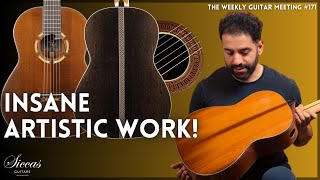
Will This Wood Combination Work for a Classical Guitar? WGM #171 - Myers, Fleta, Fallah, Doriean ...
·
· 37m16s
Welcome to The Weekly Guitar Meeting, your go-to video series for staying updated on the latest, finest, and most thrilling classical guitars hitting the international market. At Siccas Guitars, we've been curating the finest classical guitars for over a decade from our Germany-based shop, and we unveil new masterpieces for sale every week. Join us as professional guitarists and Siccas Guitars team member, Jouyan Tarzaban, shares exciting insights, delves into the background of these instruments, and most importantly, let you experience their sound firsthand. 😊 Enjoy the show! https://www.knoblochstrings.com/product-page/edc-erithacus-medium-high-34-0 00:00 Ignacio Fleta - 2018 🎸 Guitar: https://www.siccasguitars.com/shop/guitar/ignacio-fleta-2018 06:53 Ramin Fallah - 2025 Spruce/ Yew No. 470 🎸 Guitar: https://www.siccasguitars.com/shop/guitar/ramin-fallah-2025-c-stage 12:36 Oren Myers - 2025 No. 140 🎸 Guitar: https://www.siccasguitars.com/shop/guitar/oren-myers-2025-no-140 23:10 Andrew Doriean - 2025 🎸 Guitar: https://www.siccasguitars.com/shop/guitar/andrew-doriean-2025 27:36 Andreas Kirmse - 2017 Doubletop No. 51 🎸 Guitar: https://www.siccasguitars.com/shop/guitar/andreas-kirmse-2017-doubletop-no-51 32:25 Robert Ruck - 1988 🎸 Guitar: https://www.siccasguitars.com/shop/guitar/robert-ruck-1988 Support our channel and become a SiccasGuitars Member with exclusive classical guitar nerd perks: https://www.youtube.com/channel/UCR39sLAZ5wS_vrMo4tRylHw/join ‾‾‾‾‾‾‾‾‾‾‾‾‾‾‾‾‾‾‾‾‾‾‾‾‾‾‾‾‾‾‾‾‾‾‾‾‾‾‾‾‾‾‾‾‾‾‾‾‾‾‾‾‾‾‾‾‾‾‾‾‾‾‾‾ Follows us on: ► Instagram: https://www.instagram.com/siccasguitars/ ► TikTok: https://www.tiktok.com/@siccasguitars ► Facebook: https://www.facebook.com/siccasguitars/ ► Twitter: https://twitter.com/siccasguitars WEBSITES: ► https://www.siccasmedia.com/ ► https://www.siccasguitars.com/ ► https://playsomethingcool.com/ NEWSLETTER: ► http://bit.ly/SiccasGuitars CONTACT US: ► info@siccasguitars.com ► 76137 Karlsruhe, Roonstr. 31, Germany ‾‾‾‾‾‾‾‾‾‾‾‾‾‾‾‾‾‾‾‾‾‾‾‾‾‾‾‾‾‾‾‾‾‾‾‾‾‾‾‾‾‾‾‾‾‾‾‾‾‾‾‾‾‾‾‾‾‾‾‾‾‾‾‾ ►►ANA VIDOVIC https://www.youtube.com/playlist?list=PLWOAHYyavpQhzY5wkpHE0_AGu72x7JjdN ►►J S BACH https://www.youtube.com/playlist?list=PLWOAHYyavpQiRD8C05bGImSEXp5KLpMSk ►► ALBUMS & CONCERTS https://www.youtube.com/playlist?list=PLWOAHYyavpQj1YvhqLIO5EGz9ikpYTc2m ‾‾‾‾‾‾‾‾‾‾‾‾‾‾‾‾‾‾‾‾‾‾‾‾‾‾‾‾‾‾‾‾‾‾‾‾‾‾‾‾‾‾‾‾‾‾‾‾‾‾‾‾‾‾‾‾‾‾‾‾‾‾‾‾ Classical guitars are our passion! We are specialized in the highest quality concert guitars as well as historic guitars from around the world. Our passion for these unique instruments and the joy to give guitarists, passionate players, and collectors the possibility to purchase their own appropriate instrument is the motivation that drives us. Another focus is to work closely with established and young, largely unknown luthiers. Together we want to develop new ideas and share experiences with our customers. We also recorded pieces for many great composers such as Johann Sebastian Bach, Astor Piazzolla and Isaac Albeniz (Asturias). You will also find almost all the classical music composers that wrote for the classical guitar. Make sure to discover Agustin Barrios Mangoré, Manuel Maria Ponce, Heitor Villa-Lobos and many more if you don't know their compositions already You can find our showroom in 76137 Karlsruhe, Roonstr. 31, Germany ‾‾‾‾‾‾‾‾‾‾‾‾‾‾‾‾‾‾‾‾‾‾‾‾‾‾‾‾‾‾‾‾‾‾‾‾‾‾‾‾‾‾‾‾‾‾‾‾‾‾‾‾‾‾‾‾‾‾‾‾‾‾‾‾ #SiccasGuitars #art ‾‾‾‾‾‾‾‾‾‾‾‾‾‾‾‾‾‾‾‾‾‾‾‾‾‾‾‾‾‾‾‾‾‾‾‾‾‾‾‾‾‾‾‾‾‾‾‾‾‾‾‾‾‾‾‾‾‾‾‾‾‾‾‾ Lighted by Nyta: https://www.nyta.eu/en/

Blue Grease or Whale Oil?
 ·
· 0m38s
·
· 0m38s
They didn't have modern oils the last time this watch was serviced, and I've seen weird stuff in the old books. #watches #watchmaking #watchrepair

Quantum mechanics is not quite right when it comes to gravity | Sir Roger Penrose
 ·
· 1m8s
·
· 1m8s
Watch the full interview for free on YouTube: https://www.youtube.com/watch?v=VQM0OtxvZ-Y #quantum #penrose #quantummechanics #physics #gravity
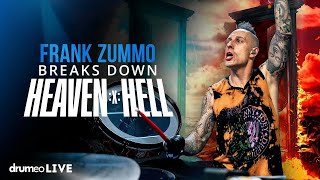
Breaking Down Sum 41's Final Album | Frank Zummo
 ·
· 1h11m
·
· 1h11m
Sum 41’s final album 'Heaven :x: Hell' marks the end of an era—and drummer Frank Zummo is here at Drumeo to break it all down. From soaring anthems on the 'Heaven' side to the heavier chaos of the 'Hell' side, Frank performs songs like "Waiting On A Twist Of Fate", "Landmines", "Radio Silence", "Rise Up", "You Wanted War", and more—many of which the band never played live—while sharing the stories and drum parts that defined the record. New Frank Zummo Punk Lesson! ► https://www.drumeo.com/trial-yt?vid=-98eN_O7X0s Frank Zummo Gear Breakdown ►https://www.drumeo.com/beat/gear-breakdown-frank-zummo/ Check out the microphones used in your favorite Drumeo videos (Earthworks x Musora) ► https://earthworksaudio.com/musora _______________ Chapters: 00:00 - Intro 00:23 - Who Is Frank Zummo? 00:49 - "Waiting On A Twist Of Fate" by Sum 41 (Performance) 03:28 - Welcome 05:34 - Thoughts On "Waiting On A Twist Of Fate" 08:04 - The Album Concept 09:10 - The Impact Of "Landmines" 10:59 - "Landmines" by Sum 41 (Performance) 14:27 - Introducing "I Can't Wait" 15:08 - "I Can't Wait" by Sum 41 (Performance) 17:22 - Frank's Drumming Background 19:18 - How To Get Started With Punk Rock Drumming 23:22 - "Dopamine" by Sum 41 (Performance) 26:35 - Writing The "Dopamine" Drum Parts 28:17 - Deryck Whibley's Approach To Sum 41 Songwriting 30:37 - Thoughts On Drumming Composition 32:00 - "Radio Silence" & The Final Sum 41 Music Video 35:27 - "Radio Silence" by Sum 41 (Performance) 38:20 - Breaking Down The "Radio Silence" Drum Fill 39:45 - Introducing The 'Hell' Side! 41:33 - "Preparasi A Salire" by Sum 41 (Performance) 42:41 - "Rise Up" by Sum 41 (Performance) 46:24 - Breaking Down The "Rise Up" Groove 47:24 - Frank's Approach To Cymbal Choking 48:34 - Introducing "Stranger In These Times" 49:12 - How Frank Prepared For Drumeo 50:07 - "Stranger In These Times" by Sum 41 (Performance) 53:27 - Thoughts On "Stranger In These Times" 54:17 - Challenges Recording 'Heaven :x: Hell' 55:34 - Mindset, Breathing & Recording Drums Underwater 58:02 - Introducing "You Wanted War" 58:49 - "You Wanted War" by Sum 41 (Performance) 1:03:08 - Reflecting On Sum 41's Retirement 1:08:42 - "How The End Begins" by Sum 41 (Performance) _______________ Follow @zummofrank ►Instagram: https://www.instagram.com/frankzummo ►Facebook: https://www.facebook.com/frankzummomusic/ ►X/Twitter: https://x.com/fzummo Follow @BrandonToews ►Instagram: https://www.instagram.com/brandon.toews ►Facebook: https://www.facebook.com/brandon.toews.drums ►TikTok: https://www.tiktok.com/@brandon.toews ►X: https://twitter.com/btoews_drums Follow @DrumeoOfficial ►The Drumeo Beat: https://www.drumeo.com/beat/ ►Facebook: http://facebook.com/drumeo/ ►Instagram: http://instagram.com/drumeoofficial/ ►TikTok: https://www.tiktok.com/@drumeoofficial _______________ #Drumeo #FrankZummo #Sum41 #SJC #Remo #Zildjian #VicFirth

Clam pie 🍕
 ·
· 0m37s
·
· 0m37s
Clam Pie (pizza) Ingredients * ½ quantity my New York Style Pizza dough Topping * 1kg fresh baby clams, scrubbed clean * 45g sea salt * 4 cloves garlic, finely crushed * 60ml (¼ cup) olive oil * 40g finely grated Pecorino * 10ml (2 tsp) Vermouth * Sea salt and black pepper, to season * Large pinch chilli flakes * Chopped flat leaf parsley and chilli flakes, to serve Method Step 1: Prepare the dough Step 2: Prep the clams 1. To purge the clams, dissolve sea salt in 1.5L (50.7 fl oz) cold water in a large bowl. 2. Place the clams in a colander that will fit inside the bowl and place in the water, ensuring they are fully submerged. Refrigerate for at least 30 mins up to overnight, changing the water every few hours if it becomes too cloudy and once the clams have purged sand. 3. Drain clams and rinse thoroughly under cold running water. 4. Shuck clams and place in a colander to drain briefly. Step 3: Topping and cook 1. Preheat a pizza oven to 350°C (660°F). 2. Stretch the dough on a lightly floured surface to fit your pizza peel or baking surface. 3. Combine garlic and oil in a small bowl. Spread some on the pizza bases, then sprinkle with some pecorino and chilli flakes. 4. Toss the clams in the vermouth and season with salt and pepper. Arrange the clams on top and sprinkle over some more pecorino. 5. Slide onto the pizza peel and bake for 2 - 2 ½ minutes, turning occasionally for even cooking, aiming for a crispy bottom and golden topping. 6. Sprinkle over some parsley and then slice to serve.

Trump’s ‘Maximalist’ Plan for the Presidency, a Shopping Loophole Closes, Your Friday News Quiz
·
· 12m53s
Today’s top news stories, all in about 10 minutes. Listen every weekday morning, with insight and analysis from New York Times reporters all over the world. For more on this episode: https://www.nytimes.com/2025/08/29/podcasts/the-headlines/trump-firings-loophole-shopping.html What we're covering: Trump Targets Agencies Long Seen as Above Politics. Critics See Big Risks. (https://www.nytimes.com/2025/08/28/us/politics/trump-firings-cdc-fed.html) , by Luke Broadwater Trump Moves to Strip More Federal Workers of Union Protections (https://www.nytimes.com/2025/08/29/us/politics/trump-federal-workers-union-protections.html) , by Chris Cameron Trump Administration Plans Immigration Crackdown in Chicago (https://www.nytimes.com/2025/08/28/us/politics/trump-chicago-immigration-naval-base.html) , by Hamed Aleaziz A Tariff Loophole on Cheap Imports Has Closed. How Will It Affect Shoppers? (https://www.nytimes.com/2025/08/29/business/trump-tariffs-de-minimis.html) , by Peter Eavis Texas Lawmakers Back Citizen Lawsuits to Stop Mail-Order Abortion Pills (https://www.nytimes.com/2025/08/28/us/politics/texas-house-abortion-bill.html) , by J. David Goodman Buried by Princess Diana, Time Capsule Brings Back the ’90s Far Too Soon (https://www.nytimes.com/2025/08/28/world/europe/princess-diana-time-capsule-opened.html) , by Victor Mather Tune in every weekday morning. To get our full audio journalism and storytelling experience, download (https://apps.apple.com/us/app/nyt-audio/id1549293936) the New York Times Audio app — available to Times news subscribers on iOS — and sign up (https://www.nytimes.com/newsletters/audio) for our weekly newsletter. Tell us what you think at: theheadlines@nytimes.com.

I'm tearing it up again on the mocap stage! Muhahaha!
·
· 0m47s
Four days a week on the project, one day reserved for shooting videos—I hope more games allow this kind of disclosable content! Who knows, maybe one day I’ll have so much game-related content to share that I won’t even need to brainstorm video ideas! Hahaha! 🙏 Thanks for watching! Please don't forget to subscribe my channel! http://www.youtube.com/channel/UCkrEKcRUiaMkG1I3is2fhLA/featured?sub_confirmation=1 ------------------------------------------------------------------ 💖 Hi, I'm Xi Xi Yu Sakana — a professional motion capture actress from Chengdu Big Eyes Technology Co., Ltd. If you enjoy my videos, don’t forget to subscribe and turn on the bell 🔔 for updates! Your support means a lot to me 💫 You can also find me here: Bilibili: https://space.bilibili.com/3546375581075852 Tiktok: https://www.tiktok.com/@xixi.yu.c Instagram: https://www.instagram.com/xixiyu_sakana/ X/ Twitter: https://x.com/xixiyusakana #motioncapture #mocap #videogame #movie #martialarts #acting

Taiwan: leven onder voortdurende dreiging | VPRO Frontlinie
 ·
· 7m3s
·
· 7m3s
Er loopt een frontlijn dwars door Taiwan. Telkens wanneer China het eiland bedreigt - wat sinds 1949 met toenemende regelmaat gebeurt – en de wereld ‘ontdekt’ dat het conflict tussen China en Taiwan nog altijd actueel is, klinkt in Taiwan de roep om een vreedzame oplossing net zo hard als de roep om een scherpe onafhankelijke koers. Het drijft mensen uiteen en speelt China in de kaart. Ook in 2022 vroeg de hele wereld zich af: laat China zich inspireren door Poetin, en zet het binnenkort de aanval in op Taiwan? Filmmaker en voormalig China-correspondent Floris-Jan van Luyn reisde daarop voor Frontlinie naar Taiwan. Je kunt de hele aflevering zien op NPO Start: https://npo.nl/start/serie/frontlinie/seizoen-2/een-vriend-zonder-vrienden/afspelen In de VPRO-serie 'Frontlinie' brengt Bram Vermeulen verdiepende, verhalende en onthullende buitenlandjournalistiek. Abonneer je ook op de nieuwsbrief van 'Frontlinie' en ontvang elke twee weken extra verhalen, achtergronden en lees-, kijk- en luistertips in je inbox: https://www.vpro.nl/frontlinie #taiwan #china #oorlog #dreiging

Hoe is het om te leven met long covid?
 ·
· 1m36s
·
· 1m36s
Hoe is het om te leven met long covid? Voor zorgmedewerker Marieke is geen dag meer zoals vóór haar coronabesmetting. In 2023 onderzocht Zembla het Nederlandse arbeidsongeschiktheidsstelsel en het onrecht van de WIA-uitkering. Aan dat systeem is tot nu toe nog niets veranderd. *Dit fragment komt van een Zembla-uitzending uit 2023.

The Catastrophes of Cold War 2.0 | Tarik Cyril Amar & Kevork Almassian (Syriana Analysis)
 ·
· 1h5m
·
· 1h5m
Kevork Almassian and Tarik Cyril Amar join me to discuss how USA and European foreign policies in Cold War 2.0 have catastrophic consequences in Ukraine, Syria, Europe.... everywhere. ✨Dive deep into history at https://jeffrich.substack.com Don't miss Kevork and Tarik Cold War 2.0 live streams at@SyrianaAnalysis for the best independent journalism and historical thinking on geopolitics around the world. You can watch the latest Cold War 2.0 live stream, Europe Wants Trump’s Peace Talks to Fail to ‘Call Putin’s Bluff’ | Cold War 2.0 | Syriana Analysis, here: https://www.youtube.com/live/DC2LvKMoLqk?si=Xz6NFHKrjrgpMw1Q Join historian and political analyst, Tarik Cyril Amar's substack here https://www.tarikcyrilamar.com/ Join independent journalist, Kevork Almassian's newsletter here https://kevorkalmassian.substack.com/ ------------------------------------------------------------ Inquiries: jeff@theburningarchive.com

250824 Equanimity with Wisdom \ \ Thanissaro Bhikkhu \ \ Dhamma Talk
 ·
· 10m28s
·
· 10m28s
Evening Dhamma talk by Thanissaro Bhikkhu (in English). Copyright 2025, Ṭhanissaro Bhikkhu. This work is licensed under the Creative Commons Attribution-NonCommercial 4.0 Unported License. To view a copy of this license, visit http://creativecommons.org/licenses/by-nc/4.0/. Any sale, including by non-profit entities for non-profit purposes, shall be considered 'commercial' under this license.

250823 Start with Goodwill \ \ Thanissaro Bhikkhu \ \ Dhamma Talk
·
· 17m3s
Evening Dhamma talk by Thanissaro Bhikkhu (in English). Copyright 2025, Ṭhanissaro Bhikkhu. This work is licensed under the Creative Commons Attribution-NonCommercial 4.0 Unported License. To view a copy of this license, visit http://creativecommons.org/licenses/by-nc/4.0/. Any sale, including by non-profit entities for non-profit purposes, shall be considered 'commercial' under this license.

Do You Know How To Use DIMINISHED CHORDS?
·
· 0m21s
Looking for a way to spice up your playing? Try out diminished chords! Check out the full video here to learn more: https://bit.ly/3GZRzn0
5.2 | Over and Out: Meet the Team | Rocket Science for Everyone with Yale’s Marla Geha
 ·
· 1m20s
·
· 1m20s
In this concluding lesson, we take a moment to express heartfelt gratitude to the dedicated individuals who brought "Rocket Science for Everyone" to life. From the incredible editing and animation wizardry behind the camera to the extensive organizational efforts, and the invaluable contributions of past students, this course is a testament to collaborative effort. We also extend a sincere thank you to you, the viewers, for joining us on this educational journey. 🎯 Learning Objectives • Identify the crucial team members and their roles in bringing "Rocket Science for Everyone" to fruition. • Appreciate the multifaceted collaboration and diverse skill sets required for creating online educational content. • Understand the value of student participation and feedback in refining course materials. 📚 About the Course This course is an intuitive introduction to rocket science in our everyday lives. Modern life increasingly depends on technology provided by Earth-orbiting satellites, from detailed weather predictions to broad-band internet and GPS. How are satellites launched into orbit and how do they work once they get there? Why are rockets used to get into orbit and how are they different from airplanes? This introductory course is aimed at a wide non-technical audience and is appropriate for all ages. 📺 Watch the full playlist on YouTube: https://www.youtube.com/playlist?list=PLh9mgdi4rNexC1fSWLlpQx_Gjj_0DhjVE 🎓 Enroll on Coursera for assessments and a certificate: https://www.coursera.org/learn/rocket-science-for-everyone 🌐 Explore more learning opportunities on Yale Online: https://online.yale.edu/courses/rocket-science-everyone #Yale #RocketScience #BehindTheScenes #STEMEducation #SpaceScience #AerospaceEngineering #Teamwork

5.1 | Satellite Launches: Sputnik, SWOT & UVEX | Rocket Science for Everyone with Yale's Marla Geha
·
· 9m35s
Have you ever wondered why we send satellites into orbit? In this lesson, we explore the diverse motivations behind satellite missions by examining three complete examples: Sputnik, the first artificial satellite, SWOT, a current mission mapping Earth's surface water, and UVEX, a future ultraviolet explorer critical for astrophysical research. We delve into their launch specifics, payloads, and the scientific or practical goals they aim to achieve. 🎯 Learning Objectives • Explain the diverse motivations and goals behind launching different satellite missions. • Describe the historical context, launch, and payload of Sputnik 1. • Outline the mission objectives, launch details, and operational aspects of the SWOT satellite. • Detail the future mission, scientific importance, and proposed orbit of the UVEX satellite. • Compare and contrast the characteristics and purposes of past, present, and future satellite endeavors. 📚 About the Course This course is an intuitive introduction to rocket science in our everyday lives. Modern life increasingly depends on technology provided by Earth-orbiting satellites, from detailed weather predictions to broad-band internet and GPS. How are satellites launched into orbit and how do they work once they get there? Why are rockets used to get into orbit and how are they different from airplanes? This introductory course is aimed at a wide non-technical audience and is appropriate for all ages. 📺 Watch the full playlist on YouTube: https://www.youtube.com/playlist?list=PLh9mgdi4rNexC1fSWLlpQx_Gjj_0DhjVE 🎓 Enroll on Coursera for assessments and a certificate: https://www.coursera.org/learn/rocket-science-for-everyone 🌐 Explore more learning opportunities on Yale Online: https://online.yale.edu/courses/rocket-science-everyone #RocketScience #SatelliteLaunches #Sputnik #SWOT #UVEX #SpaceScience #STEM

4.5 | Satellite Survival: Launch & Space Tests | Rocket Science for Everyone with Yale’s Marla Geha
·
· 7m40s
Have you ever wondered how satellites manage to survive the brutal journey of launch and the harsh vacuum of space? In this lesson, we explore the critical process of integrating individual satellite components and the extensive testing required to ensure their flawless operation. From simulating extreme temperature fluctuations in a thermal vacuum chamber to enduring intense vibrations on a shake table, learn why rigorous testing is the key to a satellite's success. 🎯 Learning Objectives • Understand the challenges of integrating satellite components built separately. • Explain the critical importance of rigorous testing for satellite functionality and longevity. • Describe how thermal vacuum chambers simulate the extreme temperatures and vacuum of space. • Detail the process of vibration testing to mimic launch forces on a satellite. • Recognize how satellite mission and lifetime influence testing protocols. 📚 About the Course This course is an intuitive introduction to rocket science in our everyday lives. Modern life increasingly depends on technology provided by Earth-orbiting satellites, from detailed weather predictions to broad-band internet and GPS. How are satellites launched into orbit and how do they work once they get there? Why are rockets used to get into orbit and how are they different from airplanes? This introductory course is aimed at a wide non-technical audience and is appropriate for all ages. 📺 Watch the full playlist on YouTube: https://www.youtube.com/playlist?list=PLh9mgdi4rNexC1fSWLlpQx_Gjj_0DhjVE 🎓 Enroll on Coursera for assessments and a certificate: https://www.coursera.org/learn/rocket-science-for-everyone 🌐 Explore more learning opportunities on Yale Online: https://online.yale.edu/courses/rocket-science-everyone #Yale #RocketScience #SatelliteSurvival #SpaceTesting #STEMEducation #AerospaceEngineering #SpaceScience

4.4 | Hubble to Your Phone: Space Cameras | Rocket Science for Everyone with Yale’s Marla Geha
·
· 9m22s
Have you ever wondered how satellites capture those breathtaking images of distant galaxies or detailed views of Earth? In this lesson, we delve into the fascinating world of imaging cameras onboard satellites. Discover how these sophisticated instruments, surprisingly similar to your cell phone camera, utilize digital technology and silicon detectors to capture everything from cosmic wonders to real-time weather patterns and even track events like forest fires, fundamentally transforming our understanding of our planet and the universe. 🎯 Learning Objectives • Identify the primary functions and diverse applications of satellite imaging cameras. • Explain the core mechanism of digital cameras, including the role of pixels and silicon detectors. • Differentiate between optical and infrared imaging and their respective benefits in remote sensing applications. • Understand how images captured by satellites are converted into numerical data for transmission and reconstruction. 📚 About the Course This course is an intuitive introduction to rocket science in our everyday lives. Modern life increasingly depends on technology provided by Earth-orbiting satellites, from detailed weather predictions to broad-band internet and GPS. How are satellites launched into orbit and how do they work once they get there? Why are rockets used to get into orbit and how are they different from airplanes? This introductory course is aimed at a wide non-technical audience and is appropriate for all ages. 📺 Watch the full playlist on YouTube: https://www.youtube.com/playlist?list=PLh9mgdi4rNexC1fSWLlpQx_Gjj_0DhjVE 🎓 Enroll on Coursera for assessments and a certificate: https://www.coursera.org/learn/rocket-science-for-everyone 🌐 Explore more learning opportunities on Yale Online: https://online.yale.edu/courses/rocket-science-everyone #Yale #RocketScience #SpaceCameras #HubbleTelescope #DigitalImaging #Education #STEMEducation #AerospaceEngineering

4.3 | How Satellites Talk: Radio Waves | Rocket Science for Everyone with Yale’s Marla Geha
·
· 8m55s
Ever wondered how satellites, orbiting thousands of miles above, manage to communicate with Earth? In this lesson, we explore the critical system of satellite communication, revealing how electrical power is harnessed to enable two-way interaction. We'll uncover the essential role of radio waves, understand why they are uniquely suited for space communication, and delve into the global system of frequency allocation that ensures every satellite can transmit and receive data without interference. 🎯 Learning Objectives • Explain the fundamental principles of satellite communication, including ground stations and onboard systems • Describe the role of radio waves in transmitting information and their place in the electromagnetic spectrum • Justify why radio waves are preferred for satellite communication over other wavelengths of light • Understand how information is encoded onto radio waves using modulation techniques (AM/FM) • Discuss the importance of frequency allocation in preventing interference among numerous satellites and other radio users 📚 About the Course This course is an intuitive introduction to rocket science in our everyday lives. Modern life increasingly depends on technology provided by Earth-orbiting satellites, from detailed weather predictions to broad-band internet and GPS. How are satellites launched into orbit and how do they work once they get there? Why are rockets used to get into orbit and how are they different from airplanes? This introductory course is aimed at a wide non-technical audience and is appropriate for all ages. 📺 Watch the full playlist on YouTube: https://www.youtube.com/playlist?list=PLh9mgdi4rNexC1fSWLlpQx_Gjj_0DhjVE 🎓 Enroll on Coursera for assessments and a certificate: https://www.coursera.org/learn/rocket-science-for-everyone 🌐 Explore more learning opportunities on Yale Online: https://online.yale.edu/courses/rocket-science-everyone #Yale #RocketScience #YaleOnline #SatelliteCommunication #RadioWaves #STEMEducation

4.2 | Powering Satellites: Solar Panels & Batteries | Rocket Science for Everyone with Marla Geha
·
· 5m5s
Why is power so critical for satellites in orbit? In this lesson, we delve into the essential role of electrical power, focusing on how solar panels convert sunlight into electricity for these crucial spacecraft. We'll explore the advantages of solar panels in space, the clever techniques satellites use to maximize sun exposure, and why rechargeable batteries are indispensable for maintaining continuous operation, even when a satellite passes through Earth's shadow. Discover the differences between Earth and space-based solar power, and learn about alternative power sources for specific missions. 🎯 Learning Objectives • Understand the critical role of electrical power in satellite operation. • Explain how solar panels convert sunlight into electricity and their enhanced efficiency in space. • Describe the methods satellites use to orient their solar panels towards the sun. • Recognize why rechargeable batteries are essential for satellites and how they overcome periods in Earth's shadow. • Identify alternative power sources for very short missions or spacecraft traveling beyond the inner solar system. 📚 About the Course This course is an intuitive introduction to rocket science in our everyday lives. Modern life increasingly depends on technology provided by Earth-orbiting satellites, from detailed weather predictions to broad-band internet and GPS. How are satellites launched into orbit and how do they work once they get there? Why are rockets used to get into orbit and how are they different from airplanes? This introductory course is aimed at a wide non-technical audience and is appropriate for all ages. 📺 Watch the full playlist on YouTube: https://www.youtube.com/playlist?list=PLh9mgdi4rNexC1fSWLlpQx_Gjj_0DhjVE 🎓 Enroll on Coursera for assessments and a certificate: https://www.coursera.org/learn/rocket-science-for-everyone 🌐 Explore more learning opportunities on Yale Online: https://online.yale.edu/courses/rocket-science-everyone #RocketScienceForEveryone #SatellitePower #SolarPanels #SpaceEnergy #STEMEducation

4.1 | Understanding Satellite Payloads | Rocket Science for Everyone with Marla Geha
·
· 4m16s
Have you ever wondered what exactly is inside the satellites orbiting Earth and what their purpose is? In this lesson, we explore satellite payloads, the crucial instruments and components that make satellites function. We'll identify common elements like solar panels and the satellite bus, and then delve into the vast array of missions satellites undertake, from providing internet and GPS to monitoring weather and conducting scientific research, highlighting how each mission shapes its unique payload. 🎯 Learning Objectives • Define what constitutes a satellite payload. • Identify common structural and power components of a satellite, such as solar panels and the satellite bus. • Describe the wide variety of missions satellites undertake, including communication, navigation, Earth monitoring, and scientific research. • Explain how the specific goals of a satellite's mission dictate its payload requirements. 📚 About the Course This course is an intuitive introduction to rocket science in our everyday lives. Modern life increasingly depends on technology provided by Earth-orbiting satellites, from detailed weather predictions to broad-band internet and GPS. How are satellites launched into orbit and how do they work once they get there? Why are rockets used to get into orbit and how are they different from airplanes? This introductory course is aimed at a wide non-technical audience and is appropriate for all ages. 📺 Watch the full playlist on YouTube: https://www.youtube.com/playlist?list=PLh9mgdi4rNexC1fSWLlpQx_Gjj_0DhjVE 🎓 Enroll on Coursera for assessments and a certificate: https://www.coursera.org/learn/rocket-science-for-everyone 🌐 Explore more learning opportunities on Yale Online: https://online.yale.edu/courses/rocket-science-everyone #RocketScienceForEveryone #YaleOnline #SatellitePayloads #SpaceScience #STEMEducation #AerospaceEngineering #LearnOnline
2.7 | Deeper Dive: Kepler’s Law & Orbits | Rocket Science for Everyone with Yale’s Marla Geha
·
· 16m47s
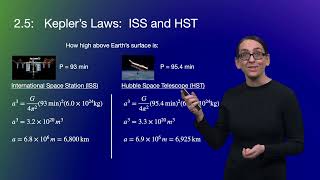
In this deeper dive, we explore practical applications of fundamental physics in rocket science. Learn how scientific notation simplifies complex numbers, and delve into the intricacies of Kepler's Third Law. We'll walk through step-by-step calculations for various real-world satellites, from Sputnik and the ISS to Hubble, GPS, and geosynchronous orbits, demonstrating how to determine orbital heights, velocities, and periods. 🎯 Learning Objectives • Apply scientific notation to handle very large and small numbers in physics calculations. • Utilize Kepler's Third Law to calculate orbital properties such as semi-major axis, period, and height. • Perform consistent unit conversions to ensure accuracy in complex scientific equations. • Determine the orbital velocity of satellites in low Earth orbit. • Calculate the required orbital distance for geosynchronous satellites based on their period. 📚 About the Course This course is an intuitive introduction to rocket science in our everyday lives. Modern life increasingly depends on technology provided by Earth-orbiting satellites, from detailed weather predictions to broad-band internet and GPS. How are satellites launched into orbit and how do they work once they get there? Why are rockets used to get into orbit and how are they different from airplanes? This introductory course is aimed at a wide non-technical audience and is appropriate for all ages. 📺 Watch the full playlist on YouTube: https://www.youtube.com/playlist?list=PLh9mgdi4rNexC1fSWLlpQx_Gjj_0DhjVE 🎓 Enroll on Coursera for assessments and a certificate: https://www.coursera.org/learn/rocket-science-for-everyone 🌐 Explore more learning opportunities on Yale Online: https://online.yale.edu/courses/rocket-science-everyone #Yale #RocketScience #SpaceExploration #KeplersLaw #SatelliteOrbits #STEMEducation #AstronomyCourse #SpaceScience #OnlineLearning #Physics
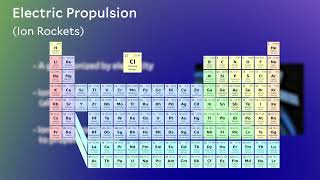
3.7 | Electric, Nuclear & Solar Rockets | Rocket Science for Everyone with Marla Geha
·
· 7m33s
Ever wondered what propels spacecraft beyond the initial launch? While chemical rockets are crucial for getting off Earth, this lesson delves into three fascinating alternatives used once in orbit: electric (ion) propulsion, nuclear thermal rockets, and solar sails. Discover how each method works, their unique advantages for different space missions, and their limitations compared to traditional chemical propulsion. 🎯 Learning Objectives • Explain why alternative propulsion methods are necessary for spacecraft once in orbit. • Describe the mechanism and applications of electric (ion) propulsion systems. • Understand the principles and potential uses of nuclear thermal rockets for deep space travel. • Grasp how solar sails generate thrust and their suitability for long-duration voyages. • Compare the advantages and limitations of electric, nuclear, and solar propulsion methods. 📚 About the Course This course is an intuitive introduction to rocket science in our everyday lives. Modern life increasingly depends on technology provided by Earth-orbiting satellites, from detailed weather predictions to broad-band internet and GPS. How are satellites launched into orbit and how do they work once they get there? Why are rockets used to get into orbit and how are they different from airplanes? This introductory course is aimed at a wide non-technical audience and is appropriate for all ages. 📺 Watch the full playlist on YouTube: https://www.youtube.com/playlist?list=PLh9mgdi4rNexC1fSWLlpQx_Gjj_0DhjVE 🎓 Enroll on Coursera for assessments and a certificate: https://www.coursera.org/learn/rocket-science-for-everyone 🌐 Explore more learning opportunities on Yale Online: https://online.yale.edu/courses/rocket-science-everyone #RocketScienceForEveryone #SpacePropulsion #ElectricRockets #NuclearRockets #SolarPropulsion

3.6 | Unlock Orbital Speed: Launching Rockets | Rocket Science for Everyone with Marla Geha
·
· 7m58s
Ever wondered how rocket scientists squeeze every bit of speed out of a launch? In this lesson, we explore a clever way to increase a rocket's final velocity: by selecting the optimal launch site on Earth. We'll uncover how taking advantage of our planet's rotation can provide a significant boost to a rocket's delta-v, allowing for more efficient missions. 🎯 Learning Objectives • Explain how Earth's rotation contributes to a rocket's delta-v. • Identify the most advantageous location on Earth for a rocket launch to gain maximum speed. • Describe the optimal launch direction to utilize Earth's rotational motion. • Recognize the safety considerations for rocket launch sites. • Provide examples of international rocket launch sites that align with these principles. 📚 About the Course This course is an intuitive introduction to rocket science in our everyday lives. Modern life increasingly depends on technology provided by Earth-orbiting satellites, from detailed weather predictions to broad-band internet and GPS. How are satellites launched into orbit and how do they work once they get there? Why are rockets used to get into orbit and how are they different from airplanes? This introductory course is aimed at a wide non-technical audience and is appropriate for all ages. 📺 Watch the full playlist on YouTube: https://www.youtube.com/playlist?list=PLh9mgdi4rNexC1fSWLlpQx_Gjj_0DhjVE 🎓 Enroll on Coursera for assessments and a certificate: https://www.coursera.org/learn/rocket-science-for-everyone 🌐 Explore more learning opportunities on Yale Online: https://online.yale.edu/courses/rocket-science-everyone #RocketScienceForEveryone #YaleOnline #OrbitalSpeed #RocketLaunch #SpaceScience #STEMEducation #AerospaceEngineering #LearnOnline

3.5 | Go Further, Faster! Multistage Rockets | Rocket Science for Everyone with Yale's Marla Geha
·
· 10m36s
3.5 | Go Further, Faster! The Ingenious Science of Multistage Rockets | Rocket Science for Everyone with Yale's Marla Geha The rocket equation presents significant challenges for achieving high speeds and carrying substantial payloads, especially when launching from Earth. How do engineers overcome these limitations? In this lesson, we delve into the ingenious solution of multistage rockets, exploring how shedding empty fuel tanks dramatically improves a rocket's performance, allowing it to go further and faster with more payload. We'll examine the physics behind this critical design, understand why every ounce matters, and discover modern innovations like SpaceX's reusable stages. 🎯 Learning Objectives • Explain the limitations of the single-stage rocket equation for achieving high Delta V and payload. • Describe the fundamental principle of multistage rockets, including the jettisoning of empty stages. • Calculate the combined Delta V for a multistage rocket using an example. • Discuss the practical application of multistage rockets in real-world missions and the innovation of reusable stages. 📚 About the Course This course is an intuitive introduction to rocket science in our everyday lives. Modern life increasingly depends on technology provided by Earth-orbiting satellites, from detailed weather predictions to broad-band internet and GPS. How are satellites launched into orbit and how do they work once they get there? Why are rockets used to get into orbit and how are they different from airplanes? This introductory course is aimed at a wide non-technical audience and is appropriate for all ages. 📺 Watch the full playlist on YouTube: https://www.youtube.com/playlist?list=PLh9mgdi4rNexC1fSWLlpQx_Gjj_0DhjVE 🎓 Enroll on Coursera for assessments and a certificate: https://www.coursera.org/learn/rocket-science-for-everyone 🌐 Explore more learning opportunities on Yale Online: https://online.yale.edu/courses/rocket-science-everyone #Yale #RocketScience #OnlineLearning #YaleOnline #STEMEducation #SpaceTech #ScienceForAll #LearnOnline

3.4 | The Rocket Equation: Why 95% Fuel Won’t Cut It | Rocket Science with Yale’s Marla Geha
·
· 12m15s
Ever wondered what determines how fast a rocket can go, or why NASA doesn't launch rockets with household items like baking soda and vinegar? In this lesson, we delve into the powerful Rocket Equation (also known as the Tsiolkovsky equation), which describes the maximum speed a rocket can achieve by burning its own fuel. You'll learn how this fundamental equation, inspired by the simple act of throwing rocks from a boat, reveals the critical relationship between exhaust velocity, mass ratio, and the elusive Delta-V needed for space travel. 🎯 Learning Objectives • Define the rocket equation and explain its significance in determining a rocket's maximum speed. • Analyze the roles of exhaust velocity and the initial-to-final mass ratio (fuel ratio) in the rocket equation. • Understand why a remarkably high percentage of a rocket's launch mass must be fuel to reach orbit. • Compare the effectiveness of different propellant types based on their exhaust velocities, using examples like liquid hydrogen and the baking soda-vinegar reaction. • Relate Newton's laws of motion to the principles governing rocket propulsion as described by the rocket equation. 📚 About the Course This course is an intuitive introduction to rocket science in our everyday lives. Modern life increasingly depends on technology provided by Earth-orbiting satellites, from detailed weather predictions to broad-band internet and GPS. How are satellites launched into orbit and how do they work once they get there? Why are rockets used to get into orbit and how are they different from airplanes? This introductory course is aimed at a wide non-technical audience and is appropriate for all ages. 📺 Watch the full playlist on YouTube: https://www.youtube.com/playlist?list=PLh9mgdi4rNexC1fSWLlpQx_Gjj_0DhjVE 🎓 Enroll on Coursera for assessments and a certificate: https://www.coursera.org/learn/rocket-science-for-everyone 🌐 Explore more learning opportunities on Yale Online: https://online.yale.edu/courses/rocket-science-everyone #Yale #RocketScience #OnlineLearning #YaleOnline #STEMEducation #SpaceTech #ScienceForAll #LearnOnline

3.3 | Solid & Liquid Chemical Rockets | Rocket Science for Everyone with Yale's Marla Geha
·
· 11m55s
Ever wondered what powers the incredible force behind a rocket launch? In this lesson, we dive deep into chemical rockets, exploring the two primary types: solid and liquid propellant systems. We'll uncover what makes an ideal rocket fuel and examine the distinct advantages and disadvantages of each system, along with their real-world applications in space missions. 🎯 Learning Objectives • Differentiate between solid and liquid chemical rockets and their propellants • Identify the key characteristics that define a good rocket fuel • Compare and contrast the pros and cons of solid versus liquid rocket engines • Understand how the internal design influences a solid rocket's burn rate • Recognize examples of solid and liquid rocket use in contemporary spaceflight 📚 About the Course This course is an intuitive introduction to rocket science in our everyday lives. Modern life increasingly depends on technology provided by Earth-orbiting satellites, from detailed weather predictions to broad-band internet and GPS. How are satellites launched into orbit and how do they work once they get there? Why are rockets used to get into orbit and how are they different from airplanes? This introductory course is aimed at a wide non-technical audience and is appropriate for all ages. 📺 Watch the full playlist on YouTube: https://www.youtube.com/playlist?list=PLh9mgdi4rNexC1fSWLlpQx_Gjj_0DhjVE 🎓 Enroll on Coursera for assessments and a certificate: https://www.coursera.org/learn/rocket-science-for-everyone 🌐 Explore more learning opportunities on Yale Online: https://online.yale.edu/courses/rocket-science-everyone #RocketScienceForEveryone #ChemicalRockets #SolidVsLiquidPropellant #RocketEngines #SpaceExploration #AerospaceEngineering #STEMEducation #YaleOnline #SpaceScience #OnlineLearning

3.2 | Why Planes Can’t Reach Space | Rocket Science for Everyone with Yale’s Marla Geha
·
· 5m5s
Ever wondered why we use massive rockets instead of sleek airplanes to launch vehicles into space? This lesson dives deep into the fundamental differences between airplanes and rockets, explaining why jet engines, despite their power, simply can't get us to orbit. We'll explore the critical role of air, the concept of lift, and the astonishing amount of fuel required for space travel. 🎯 Learning Objectives • Understand the fundamental differences between airplane jet engines and rocket engines. • Explain why jet engines are unsuitable for space travel, considering air requirements and lift. • Compare the astonishing fuel-to-mass ratios required for Earth-bound vehicles versus spacecraft. • Recognize the immense challenges and ingenuity involved in launching objects into space. 📚 About the Course This course is an intuitive introduction to rocket science in our everyday lives. Modern life increasingly depends on technology provided by Earth-orbiting satellites, from detailed weather predictions to broad-band internet and GPS. How are satellites launched into orbit and how do they work once they get there? Why are rockets used to get into orbit and how are they different from airplanes? This introductory course is aimed at a wide non-technical audience and is appropriate for all ages. 📺 Watch the full playlist on YouTube: https://www.youtube.com/playlist?list=PLh9mgdi4rNexC1fSWLlpQx_Gjj_0DhjVE 🎓 Enroll on Coursera for assessments and a certificate: https://www.coursera.org/learn/rocket-science-for-everyone 🌐 Explore more learning opportunities on Yale Online: https://online.yale.edu/courses/rocket-science-everyone #RocketScienceForEveryone #RocketsVsPlanes #SpaceExploration #STEMEducation #AerospaceEngineering #Physics #OnlineLearning #YaleOnline #RocketLaunch #SpaceScience

3.1 | Newton's Laws: How Rockets Fly & Why! | Rocket Science for Everyone with Yale's Marla Geha
·
· 7m54s
How do rockets defy gravity and launch payloads into orbit? In this lesson, we finally delve into the physics behind rocket science by exploring Newton's three fundamental laws of motion. We'll compare the mechanics of rockets with those of airplanes, uncovering why rockets are uniquely suited for space travel and how Newton's principles of force, mass, and acceleration dictate their incredible journey. 🎯 Learning Objectives • Understand the extreme speeds and forces required for orbital flight • Differentiate between airplane and satellite motion, considering altitude, speed, and engine usage • Explain Newton's First Law of Motion and its concept of inertia • Apply Newton's Third Law to understand how rockets generate thrust • Describe how Newton's Second Law relates force, mass, and acceleration in rocket propulsion 📚 About the Course This course is an intuitive introduction to rocket science in our everyday lives. Modern life increasingly depends on technology provided by Earth-orbiting satellites, from detailed weather predictions to broad-band internet and GPS. How are satellites launched into orbit and how do they work once they get there? Why are rockets used to get into orbit and how are they different from airplanes? This introductory course is aimed at a wide non-technical audience and is appropriate for all ages. 📺 Watch the full playlist on YouTube: https://www.youtube.com/playlist?list=PLh9mgdi4rNexC1fSWLlpQx_Gjj_0DhjVE 🎓 Enroll on Coursera for assessments and a certificate: https://www.coursera.org/learn/rocket-science-for-everyone 🌐 Explore more learning opportunities on Yale Online: https://online.yale.edu/courses/rocket-science-everyone #Yale #RocketScience #RocketScience #NewtonsLaws #RocketLaunch #STEMEducation #AstronomyCourse #SpaceExploration #Physics #SpaceScience #OnlineLearning #YaleOnline

2.6 | Orbital Flight: Speed & Direction | Rocket Science for Everyone with Yale’s Marla Geha
·
· 8m1s
Have you ever wondered what it truly takes to get a satellite to stay in space? In this lesson, we move beyond where satellites orbit to the crucial question of how they achieve and maintain that incredible feat. We’ll explore the immense speeds required and the precise maneuvers rockets perform to counteract Earth's relentless gravitational pull, ensuring a sustainable presence above the Karman line. 🎯 Learning Objectives • Differentiate between suborbital flight and stable orbital insertion. • Explain the critical role of horizontal velocity in achieving orbit around Earth. • Compare and contrast orbital velocity and escape velocity. • Describe the typical launch trajectory of a rocket aiming for orbit. • Understand the significance of 'Max Q' during a rocket launch. 📚 About the Course This course is an intuitive introduction to rocket science in our everyday lives. Modern life increasingly depends on technology provided by Earth-orbiting satellites, from detailed weather predictions to broad-band internet and GPS. How are satellites launched into orbit and how do they work once they get there? Why are rockets used to get into orbit and how are they different from airplanes? This introductory course is aimed at a wide non-technical audience and is appropriate for all ages. 📺 Watch the full playlist on YouTube: https://www.youtube.com/playlist?list=PLh9mgdi4rNexC1fSWLlpQx_Gjj_0DhjVE 🎓 Enroll on Coursera for assessments and a certificate: https://www.coursera.org/learn/rocket-science-for-everyone 🌐 Explore more learning opportunities on Yale Online: https://online.yale.edu/courses/rocket-science-everyone #Yale #RocketScience #OnlineLearning #YaleOnline #STEMEducation #SpaceTech #ScienceForAll #LearnOnline

2.5 | Mapping the Earth: Polar & Sun-Sync Orbits | Rocket Science for Everyone w/ Yale’s Marla Geha
·
· 6m26s
Have you ever wondered how satellites map the entire Earth or maintain consistent lighting for monitoring? In this lesson, we take a fascinating side quest into special orbital types beyond the major regions. We'll explore the unique advantages of polar and sun-synchronous orbits for Earth observation, and journey into the vast, increasingly important cislunar space between Earth and the Moon. 🎯 Learning Objectives • Explain what a polar orbit is and why it's essential for mapping the entire Earth's surface. • Describe the characteristics and practical applications of sun-synchronous orbits, a special type of polar orbit. • Define cislunar space and understand its current and future importance in space activities. 📚 About the Course This course is an intuitive introduction to rocket science in our everyday lives. Modern life increasingly depends on technology provided by Earth-orbiting satellites, from detailed weather predictions to broad-band internet and GPS. How are satellites launched into orbit and how do they work once they get there? Why are rockets used to get into orbit and how are they different from airplanes? This introductory course is aimed at a wide non-technical audience and is appropriate for all ages. 📺 Watch the full playlist on YouTube: https://www.youtube.com/playlist?list=PLh9mgdi4rNexC1fSWLlpQx_Gjj_0DhjVE 🎓 Enroll on Coursera for assessments and a certificate: https://www.coursera.org/learn/rocket-science-for-everyone 🌐 Explore more learning opportunities on Yale Online: https://online.yale.edu/courses/rocket-science-everyone #RocketScienceForEveryone #YaleOnline #PolarOrbit #SunSynchronous #CislunarOrbit #SpaceScience #STEMEducation #LearnOnline

2.4 | LEO, MEO, GEO: Comparing Earth’s Orbits | Rocket Science for Everyone with Yale’s Marla Geha
·
· 12m5s
In this lesson, we conduct a comprehensive comparison of Low Earth Orbit (LEO), Medium Earth Orbit (MEO), and Geosynchronous Earth Orbit (GEO) regions. We explore the distribution and functions of satellites within each orbit, analyze the optimal placement for Earth imaging and communication, and discuss critical considerations like latency and end-of-life protocols, ultimately highlighting how the best orbit depends on specific mission goals. 🎯 Learning Objectives • Compare the satellite populations and primary functions in Low Earth Orbit (LEO), Medium Earth Orbit (MEO), and Geosynchronous Earth Orbit (GEO). • Analyze how orbital altitude impacts Earth imaging, considering field of view and resolution. • Explain the concept of latency in satellite communication and its relevance for different orbital regions. • Outline the distinct end-of-life procedures for satellites in LEO, MEO, and GEO. 📚 About the Course This course is an intuitive introduction to rocket science in our everyday lives. Modern life increasingly depends on technology provided by Earth-orbiting satellites, from detailed weather predictions to broad-band internet and GPS. How are satellites launched into orbit and how do they work once they get there? Why are rockets used to get into orbit and how are they different from airplanes? This introductory course is aimed at a wide non-technical audience and is appropriate for all ages. 📺 Watch the full playlist on YouTube: https://www.youtube.com/playlist?list=PLh9mgdi4rNexC1fSWLlpQx_Gjj_0DhjVE 🎓 Enroll on Coursera for assessments and a certificate: https://www.coursera.org/learn/rocket-science-for-everyone 🌐 Explore more learning opportunities on Yale Online: https://online.yale.edu/courses/rocket-science-everyone #Yale #RocketScience #RocketScienceForEveryone #YaleOnline #LEOMEOGEO #OrbitalRegions #SpaceScience #STEMEducation #LearnOnline