Practice Lesson: Following the Five Steps to Effective Punishments – with Dr. Alan Kazdin
 ·
· 4m38s
·
· 4m38s
This interactive lessons guides you through five basic steps to effectively use punishment within a broader behavior change program. Dr. Kazdin presents a real-world parenting scenario and invites you to apply positive opposites, mild punishment, and reinforcement strategies. Learn how to shift focus from punishment alone to developing positive behaviors with praise, points, and playful challenges to reduce teasing and other problematic behaviors. This practical exercise helps you become a confident behavior change consultant for your child or others. 🎯 Learning Objectives • Learn the five basic steps to apply punishment thoughtfully and effectively • Understand how to identify and reinforce the positive opposite of a problematic behavior • Explore how mild and brief punishment fits into a balanced behavior change plan • Apply behavior change tools to a real-life example involving sibling teasing • Recognize the importance of praise and reinforcement outweighing punishment • Practice giving concrete, constructive guidance to parents facing common behavior challenges • Consider additional behavior strategies such as point systems and positive setting events 📚 About the Course Everyday Parenting gives you access to a toolkit of behavior-change techniques that will make your typical day in the home easier as you develop the behaviors you would like to see in your child. The lessons provide step-by-step instructions and demonstrations to improve your course of action with both children and adolescents. Among many techniques, you will learn how even simple modifications to tone of voice and phrasing can lead to more compliance. The course will also shed light on many parenting misconceptions and ineffective strategies that are routinely used. The key to the course is practice. It is not enough to know the strategies; you have to do them to reap the rewards. Using the techniques on a temporary basis will lead to permanent change. Chances are your parenting is perfectly fine and working the way you would like. But if you have any frustrations with your child or would like improve your effectiveness in changing your child’s behavior, these videos will be a very useful guide. 📺 Watch the full playlist on YouTube: https://youtube.com/playlist?list=PLh9mgdi4rNeyEGNxBvNdOVlianDYgWuc9&si=WvX4JltzYzj7faKi 🎓 Enroll on Coursera for assessments and a certificate: https://www.coursera.org/learn/everyday-parenting 🌐 Explore more learning opportunities on Yale Online: https://online.yale.edu/courses/everyday-parenting-abcs-child-rearing

18 | What If Parents Disagree? Creating a Nurturing Family Environment – with Dr. Alan Kazdin
·
· 25m58s
What happens when parents or caregivers don’t agree on how to handle behavior? It’s a common challenge that can undermine even the best intentions. In this lesson, Dr. Kazdin explains how to manage differences without creating confusion or conflict. Learn how to stay consistent, support each other’s efforts, and work toward a nurturing family environment, even when your approaches don’t always align. 🎯 Learning Objectives • Understand how conflicting approaches can impact behavior change • Learn strategies for staying consistent when caregivers aren’t fully aligned • Discover how to support each other without needing total agreement • Explore techniques for preventing mixed messages to the child • Recognize how coordination (even without consensus) fosters a nurturing environment 📚 About the Course Everyday Parenting gives you access to a toolkit of behavior-change techniques that will make your typical day in the home easier as you develop the behaviors you would like to see in your child. The lessons provide step-by-step instructions and demonstrations to improve your course of action with both children and adolescents. Among many techniques, you will learn how even simple modifications to tone of voice and phrasing can lead to more compliance. The course will also shed light on many parenting misconceptions and ineffective strategies that are routinely used. The key to the course is practice. It is not enough to know the strategies; you have to do them to reap the rewards. Using the techniques on a temporary basis will lead to permanent change. Chances are your parenting is perfectly fine and working the way you would like. But if you have any frustrations with your child or would like improve your effectiveness in changing your child’s behavior, these videos will be a very useful guide. 📺 Watch the full playlist on YouTube: https://youtube.com/playlist?list=PLh9mgdi4rNeyEGNxBvNdOVlianDYgWuc9&si=WvX4JltzYzj7faKi 🎓 Enroll on Coursera for assessments and a certificate: https://www.coursera.org/learn/everyday-parenting 🌐 Explore more learning opportunities on Yale Online: https://online.yale.edu/courses/everyday-parenting-abcs-child-rearing

22 | When to Seek Professional Help for Extreme Child Behavior – with Dr. Alan Kazdin
·
· 15m14s
Understanding when to seek professional help for your child's extreme behavior can be challenging. In this lesson, Dr. Alan Kazdin discusses how to identify when behavioral issues go beyond typical childhood challenges and may require professional intervention. Learn about key warning signs such as impairment, danger, unusual behaviors, drastic changes, stress reactions, and unmanageability at home or school. Dr. Kazdin provides guidance on when to trust your intuition and seek professional opinions for the well-being of your child. 🎯 Learning Objectives: • Identify key warning signs that indicate the need for professional help. • Understand the importance of trusting your intuition when considering professional intervention. • Learn about the impact of severe behavioral issues on a child's daily functioning and safety. • Recognize when extreme and unusual behaviors warrant an evaluation from a mental health professional. • Explore guidelines for distinguishing temporary behavioral changes from more serious problems. 📚 About the Course Everyday Parenting gives you access to a toolkit of behavior-change techniques that will make your typical day in the home easier as you develop the behaviors you would like to see in your child. The lessons provide step-by-step instructions and demonstrations to improve your course of action with both children and adolescents. Among many techniques, you will learn how even simple modifications to tone of voice and phrasing can lead to more compliance. The course will also shed light on many parenting misconceptions and ineffective strategies that are routinely used. The key to the course is practice. It is not enough to know the strategies; you have to do them to reap the rewards. Using the techniques on a temporary basis will lead to permanent change. Chances are your parenting is perfectly fine and working the way you would like. But if you have any frustrations with your child or would like improve your effectiveness in changing your child’s behavior, these videos will be a very useful guide. 📺 Watch the full playlist on YouTube: https://youtube.com/playlist?list=PLh9mgdi4rNeyEGNxBvNdOVlianDYgWuc9&si=WvX4JltzYzj7faKi 🎓 Enroll on Coursera for assessments and a certificate: https://www.coursera.org/learn/everyday-parenting 🌐 Explore more learning opportunities on Yale Online: https://online.yale.edu/courses/everyday-parenting-abcs-child-rearing

05 | How to Use Shaping to Develop Desired Behaviors in Your Children – with Dr. Alan Kazdin
·
· 13m29s
Shaping is a powerful approach to encouraging new or improved behaviors in children by rewarding small, achievable steps toward a goal. In this lesson, Dr. Alan Kazdin explains how starting with easy tasks and gradually increasing expectations, combined with enthusiastic praise, helps children develop lasting habits—even when they “know” what to do but don’t consistently do it. Learn practical ways to apply shaping at home to reduce nagging and frustration while promoting cooperation and compliance. Discover how to break down complex behaviors into manageable steps and use positive reinforcement to support your child’s growth and listening skills. 🎯 Learning Objectives • Explain the concept of shaping and how it fits into the ABC model of behavior change • Identify the five key ingredients of successful shaping • Apply shaping techniques to gradually build or reduce behaviors in everyday parenting • Understand why “knowing” a behavior doesn’t always lead to “doing” it • Recognize common pitfalls like setting the bar too high or slippery slope thinking and how to avoid them 📚 About the Course Everyday Parenting gives you access to a toolkit of behavior-change techniques that will make your typical day in the home easier as you develop the behaviors you would like to see in your child. The lessons provide step-by-step instructions and demonstrations to improve your course of action with both children and adolescents. Among many techniques, you will learn how even simple modifications to tone of voice and phrasing can lead to more compliance. The course will also shed light on many parenting misconceptions and ineffective strategies that are routinely used. The key to the course is practice. It is not enough to know the strategies; you have to do them to reap the rewards. Using the techniques on a temporary basis will lead to permanent change. Chances are your parenting is perfectly fine and working the way you would like. But if you have any frustrations with your child or would like improve your effectiveness in changing your child’s behavior, these videos will be a very useful guide. 📺 Watch the full playlist on YouTube: https://youtube.com/playlist?list=PLh9mgdi4rNeyEGNxBvNdOVlianDYgWuc9&si=WvX4JltzYzj7faKi 🎓 Enroll on Coursera for assessments and a certificate: https://www.coursera.org/learn/everyday-parenting 🌐 Explore more learning opportunities on Yale Online: https://online.yale.edu/courses/everyday-parenting-abcs-child-rearing
07 | Use Modeling to Develop Positive Behaviors – with Dr. Alan Kazdin
·
· 16m55s
Modeling, or learning by example, is a powerful way parents can shape their children’s behavior. In this lesson, Dr. Kazdin explains how intentional, systematic modeling differs from everyday accidental modeling. Learn the four key steps to model positive traits like kindness and how to praise your child when they demonstrate those behaviors. Discover why practice is essential alongside observational learning and how parents can avoid unintentionally modeling negative behaviors. Learn how to use modeling deliberately to teach your child desired behaviors and foster open communication. 🎯 Learning Objectives • Define modeling (observational learning) and understand its role in child behavior development • Identify the four key steps to effectively model behaviors for your child • Recognize the importance of praising modeled behaviors to reinforce learning • Understand how mirror neurons support observational learning • Learn strategies to avoid modeling negative behaviors you don’t want your child to pick up • Explore how modeling can help build open, honest communication between parent and child 📚 About the Course Everyday Parenting gives you access to a toolkit of behavior-change techniques that will make your typical day in the home easier as you develop the behaviors you would like to see in your child. The lessons provide step-by-step instructions and demonstrations to improve your course of action with both children and adolescents. Among many techniques, you will learn how even simple modifications to tone of voice and phrasing can lead to more compliance. The course will also shed light on many parenting misconceptions and ineffective strategies that are routinely used. The key to the course is practice. It is not enough to know the strategies; you have to do them to reap the rewards. Using the techniques on a temporary basis will lead to permanent change. Chances are your parenting is perfectly fine and working the way you would like. But if you have any frustrations with your child or would like improve your effectiveness in changing your child’s behavior, these videos will be a very useful guide. 📺 Watch the full playlist on YouTube: https://youtube.com/playlist?list=PLh9mgdi4rNeyEGNxBvNdOVlianDYgWuc9&si=WvX4JltzYzj7faKi 🎓 Enroll on Coursera for assessments and a certificate: https://www.coursera.org/learn/everyday-parenting 🌐 Explore more learning opportunities on Yale Online: https://online.yale.edu/courses/everyday-parenting-abcs-child-rearing

01 | How to Change Your Child’s Behavior Without Yelling – Everyday Parenting Course
·
· 5m22s
Why do some parenting techniques work like magic and others fall flat or make things worse? In this first lesson, Yale professor Dr. Alan Kazdin introduces the science-backed strategies that really help change your child’s behavior. Based on decades of clinical work and research with thousands of families, these methods are practical, evidence-based, and proven to work. Start here to learn how small tweaks in your parenting can reduce daily stress, improve your child’s behavior, and help you become a “black belt” in behavior change—no yelling required. 🎯 Learning Objectives • Understand the ABC model (Antecedents, Behaviors, Consequences) for behavior change • Identify common parenting strategies that don’t work—and why • Learn how to focus on specific behaviors you want to change or encourage • Recognize the importance of consistent practice in building parenting skills • Set personal goals for improvement in your own parenting approach 📚 About the Course Everyday Parenting gives you access to a toolkit of behavior-change techniques that will make your typical day in the home easier as you develop the behaviors you would like to see in your child. The lessons provide step-by-step instructions and demonstrations to improve your course of action with both children and adolescents. Among many techniques, you will learn how even simple modifications to tone of voice and phrasing can lead to more compliance. The course will also shed light on many parenting misconceptions and ineffective strategies that are routinely used. The key to the course is practice. It is not enough to know the strategies; you have to do them to reap the rewards. Using the techniques on a temporary basis will lead to permanent change. Chances are your parenting is perfectly fine and working the way you would like. But if you have any frustrations with your child or would like improve your effectiveness in changing your child’s behavior, these videos will be a very useful guide. 📺 Watch the full playlist on YouTube: https://youtube.com/playlist?list=PLh9mgdi4rNeyEGNxBvNdOVlianDYgWuc9&si=WvX4JltzYzj7faKi 🎓 Enroll on Coursera for assessments and a certificate: https://www.coursera.org/learn/everyday-parenting 🌐 Explore more learning opportunities on Yale Online: https://online.yale.edu/courses/everyday-parenting-abcs-child-rearing

14 | Troubleshooting: What to Try When the Techniques Aren't Working – with Dr. Alan Kazdin
·
· 23m24s
What if rewards and praise aren’t changing your child’s behavior? In this video, Dr. Kazdin explores the common reasons reinforcement might not be effective—and what to do about it. Learn how to troubleshoot issues like timing, consistency, or choosing the wrong reward. Dr. Kazdin also introduces additional evidence-based strategies you can try when reinforcement alone isn’t enough. This lesson helps caregivers rethink their approach and make adjustments that lead to lasting change. 🎯 Learning Objectives • Understand common reasons reinforcement may not be effective • Learn how to adjust timing, delivery, and type of reward to improve outcomes • Explore alternative strategies when praise or rewards don’t change behavior • Identify when to revisit goals or techniques based on child response 📚 About the Course Everyday Parenting gives you access to a toolkit of behavior-change techniques that will make your typical day in the home easier as you develop the behaviors you would like to see in your child. The lessons provide step-by-step instructions and demonstrations to improve your course of action with both children and adolescents. Among many techniques, you will learn how even simple modifications to tone of voice and phrasing can lead to more compliance. The course will also shed light on many parenting misconceptions and ineffective strategies that are routinely used. The key to the course is practice. It is not enough to know the strategies; you have to do them to reap the rewards. Using the techniques on a temporary basis will lead to permanent change. Chances are your parenting is perfectly fine and working the way you would like. But if you have any frustrations with your child or would like improve your effectiveness in changing your child’s behavior, these videos will be a very useful guide. 📺 Watch the full playlist on YouTube: https://youtube.com/playlist?list=PLh9mgdi4rNeyEGNxBvNdOVlianDYgWuc9&si=WvX4JltzYzj7faKi 🎓 Enroll on Coursera for assessments and a certificate: https://www.coursera.org/learn/everyday-parenting 🌐 Explore more learning opportunities on Yale Online: https://online.yale.edu/courses/everyday-parenting-abcs-child-rearing

21 | How to Stop School Behavior Problems Before They Start – with Dr. Alan Kazdin
·
· 9m53s
The best way to handle school behavior problems? Prevent them. In this lesson, Dr. Kazdin shares how to use proactive techniques like morning previews, collaborative planning, and communication with teachers to reduce disruptive behaviors before they happen. These strategies are especially helpful during transitions when routines change and problems tend to surface. Learn how to set your child up for success from the start. 🎯 Learning Objectives • Learn how to use morning previews to set expectations for school behavior • Understand how to collaborate with teachers to reinforce positive behavior • Discover proactive strategies to reduce school behavior problems before they occur • Recognize when transitions (e.g., breaks, new school years) require additional structure • Apply planning and previewing techniques to increase consistency across settings 📚 About the Course Everyday Parenting gives you access to a toolkit of behavior-change techniques that will make your typical day in the home easier as you develop the behaviors you would like to see in your child. The lessons provide step-by-step instructions and demonstrations to improve your course of action with both children and adolescents. Among many techniques, you will learn how even simple modifications to tone of voice and phrasing can lead to more compliance. The course will also shed light on many parenting misconceptions and ineffective strategies that are routinely used. The key to the course is practice. It is not enough to know the strategies; you have to do them to reap the rewards. Using the techniques on a temporary basis will lead to permanent change. Chances are your parenting is perfectly fine and working the way you would like. But if you have any frustrations with your child or would like improve your effectiveness in changing your child’s behavior, these videos will be a very useful guide. 📺 Watch the full playlist on YouTube: https://youtube.com/playlist?list=PLh9mgdi4rNeyEGNxBvNdOVlianDYgWuc9&si=WvX4JltzYzj7faKi 🎓 Enroll on Coursera for assessments and a certificate: https://www.coursera.org/learn/everyday-parenting 🌐 Explore more learning opportunities on Yale Online: https://online.yale.edu/courses/everyday-parenting-abcs-child-rearing

02 | Why We Start with Praise to Change Behavior – with Dr. Alan Kazdin
·
· 1m0s
Why start a parenting course with praise instead of discipline? In this short but powerful lesson, Dr. Alan Kazdin explains why praise is the first and most impactful tool in your parenting toolkit. Learn how praise, when used correctly, can create quick, visible changes in your child’s behavior and lay the foundation for long-term habits. It’s not just about saying “good job.” It’s about learning to praise in a way that actually works. 🎯 Learning Objectives • Understand why praise is introduced at the beginning of the course • Learn the difference between casual praise and effective, behavior-changing praise • Recognize how praise can “lock in” desired behaviors • Practice applying praise as a low-effort, high-impact parenting technique • Begin using praise intentionally to see quick changes in your child 📚 About the Course Everyday Parenting gives you access to a toolkit of behavior-change techniques that will make your typical day in the home easier as you develop the behaviors you would like to see in your child. The lessons provide step-by-step instructions and demonstrations to improve your course of action with both children and adolescents. Among many techniques, you will learn how even simple modifications to tone of voice and phrasing can lead to more compliance. The course will also shed light on many parenting misconceptions and ineffective strategies that are routinely used. The key to the course is practice. It is not enough to know the strategies; you have to do them to reap the rewards. Using the techniques on a temporary basis will lead to permanent change. Chances are your parenting is perfectly fine and working the way you would like. But if you have any frustrations with your child or would like improve your effectiveness in changing your child’s behavior, these videos will be a very useful guide. 📺 Watch the full playlist on YouTube: https://youtube.com/playlist?list=PLh9mgdi4rNeyEGNxBvNdOVlianDYgWuc9&si=WvX4JltzYzj7faKi 🎓 Enroll on Coursera for assessments and a certificate: https://www.coursera.org/learn/everyday-parenting 🌐 Explore more learning opportunities on Yale Online: https://online.yale.edu/courses/everyday-parenting-abcs-child-rearing

17 | Adolescents: Negotiation, Compromise, and Problem-Solving with Teens – with Dr. Alan Kazdin
·
· 19m52s
Even though adolescence brings more independence and challenges, effective communication through compromise, negotiation, and problem-solving can help parents navigate this stage. Dr. Kazdin shares practical steps to reach agreements, listen actively, and handle difficult situations like peer conflicts or bullying. Learn how flexible rules and respectful dialogue strengthen your relationship and support healthy adolescent development. 🎯 Learning Objectives • Understand why compromise supports teen independence and healthy boundaries • Learn the difference between negotiation and compromise and how to practice both • Discover strategies for active listening and respectful communication with adolescents • Explore step-by-step problem-solving approaches for social challenges like bullying • Recognize how flexible parenting can improve overall parent-teen relationships 📚 About the Course Everyday Parenting gives you access to a toolkit of behavior-change techniques that will make your typical day in the home easier as you develop the behaviors you would like to see in your child. The lessons provide step-by-step instructions and demonstrations to improve your course of action with both children and adolescents. Among many techniques, you will learn how even simple modifications to tone of voice and phrasing can lead to more compliance. The course will also shed light on many parenting misconceptions and ineffective strategies that are routinely used. The key to the course is practice. It is not enough to know the strategies; you have to do them to reap the rewards. Using the techniques on a temporary basis will lead to permanent change. Chances are your parenting is perfectly fine and working the way you would like. But if you have any frustrations with your child or would like improve your effectiveness in changing your child’s behavior, these videos will be a very useful guide. 📺 Watch the full playlist on YouTube: https://youtube.com/playlist?list=PLh9mgdi4rNeyEGNxBvNdOVlianDYgWuc9&si=WvX4JltzYzj7faKi 🎓 Enroll on Coursera for assessments and a certificate: https://www.coursera.org/learn/everyday-parenting 🌐 Explore more learning opportunities on Yale Online: https://online.yale.edu/courses/everyday-parenting-abcs-child-rearing

20 | How to Change Your Child’s School Behavior from Home – with Dr. Alan Kazdin
·
· 14m37s
What can parents do when their child is acting out at school, but they’re not there to see it? In this lesson, Dr. Kazdin explains how to manage school-related behaviors like fighting, teasing, or not completing work using evidence-based techniques from home. Learn how to set up a reinforcement system that involves teachers, uses praise and point tracking, and helps kids succeed across environments. With the right strategies, parents can influence behavior even when they’re not on-site. 🎯 Learning Objectives • Understand the implementation of a home-based reinforcement program for school behaviors • Learn to collaborate with teachers to identify and address specific disruptive behaviors • Discover how to use a point system to reinforce positive behaviors based on teacher feedback • Recognize the importance of shaping behavior through praise and consistent feedback • Apply these behavior change strategies to various settings beyond the home, such as day camps and team sports 📚 About the Course Everyday Parenting gives you access to a toolkit of behavior-change techniques that will make your typical day in the home easier as you develop the behaviors you would like to see in your child. The lessons provide step-by-step instructions and demonstrations to improve your course of action with both children and adolescents. Among many techniques, you will learn how even simple modifications to tone of voice and phrasing can lead to more compliance. The course will also shed light on many parenting misconceptions and ineffective strategies that are routinely used. The key to the course is practice. It is not enough to know the strategies; you have to do them to reap the rewards. Using the techniques on a temporary basis will lead to permanent change. Chances are your parenting is perfectly fine and working the way you would like. But if you have any frustrations with your child or would like improve your effectiveness in changing your child’s behavior, these videos will be a very useful guide. 📺 Watch the full playlist on YouTube: https://youtube.com/playlist?list=PLh9mgdi4rNeyEGNxBvNdOVlianDYgWuc9&si=WvX4JltzYzj7faKi 🎓 Enroll on Coursera for assessments and a certificate: https://www.coursera.org/learn/everyday-parenting 🌐 Explore more learning opportunities on Yale Online: https://online.yale.edu/courses/everyday-parenting-abcs-child-rearing

Can the Free Energy Principle and Active Inference Explain How Brains (and AI) Really Work?
 ·
· 37m1s
·
· 37m1s
Dive into Professor Karl Friston’s groundbreaking Free Energy Principle and its action-oriented cousin, Active Inference, and discover a unifying framework for how everything from bacteria to human brains—and even future AI—maintains its existence, learns, and adapts. We’ll cover: Non‐Equilibrium Steady States: Why living systems don’t “settle” into equilibrium Markov Blankets: How a system carves out its “self” from the environment Free Energy Minimization: The mathematical drive behind persistence and perception Action–Perception Loop: From predictive coding in the brain to goal-directed behavior Curiosity & the Dark-Room Problem: Why agents explore rather than hide Hierarchical Generative Models: How deep layers in the brain compress raw data into meaning Mental Health: Reframing disorders as inference failures (and psychedelics as priors-resetters) Consciousness & Selfhood: The emergence of “I” through statistical boundaries AI, Robotics & Evolution: Biomimetic AI, niche construction, and ethical alignment Practical Takeaway: “Keep your options open” as a strategy for resilience Whether you’re into neuroscience, philosophy, AI, or just curious about how systems—biological or artificial—make sense of a chaotic world, this is your one-stop primer. Timestamps: 0:00 Introduction: The 20-watt brain making sense of chaos 0:17 Beyond neurons: a grand theory for all living systems 0:46 Overview: Free Energy Principle & Active Inference 2:11 Non-Equilibrium Steady States (NESS): The river and the whirlpool analogy 3:27 Markov Blanket: Carving out “self” with sensory & active states 4:44 Free Energy Principle (FEP): Minimizing surprise to persist 7:26 Action–Perception Loop: How internal models drive action 12:28 Predictive Coding: The brain as hypothesis-testing organ 14:06 Active Inference: Actions as confirmation of predictions 16:24 Curiosity & the Dark-Room Problem: The drive for information 17:53 Simplicity vs. Entropy: Balancing parsimonious models with flexibility 19:05 Deep Generative Models: Hierarchies from pixels to concepts 20:18 Mental Health: Disorders as failures of inference 23:22 Therapeutics & Psychedelics: Re-tuning rigid priors 25:59 Consciousness & Self: Building the “I” through statistical boundaries 28:00 Agency & Planning: Counterfactual depth and goal-directed behavior 29:56 AI & Robotics: Biomimetic curiosity for efficient intelligence 31:43 Evolution & Niche Construction: Survival as model selection 33:22 Ethical AI Alignment: Shared surprisal minimization 34:28 Outro: “Keep your options open” as the maxim for thriving

Can You EVER Mix Sharps And Flats?
 ·
· 0m35s
·
· 0m35s
Not mixing sharps and flats only applies to KEY SIGNATURES! Watch the full video here to learn more!

China Just Launched Payment System in Africa to Replace US Dollar!
 ·
· 12m1s
·
· 12m1s
More countries in Africa are moving away from the US dollar as China just launched a new plan to rollout an international payment system to pave the way for an international rollout of the Chinese Yuan. This is massive news! China and Africa are close partners and more Chinese Yuan will be used in future trade. Eventually Chinese Yuan will be used for all trade between China and Africa and in today’s video we’ll break down the latest news on US dollar in Africa. 🔹 Many thanks to Upexi Inc for sponsoring today's video. You can read more about their latest projects here: https://www.upexi.com/ 🔹 Click here for Upexi Inc Investor Presentation: https://d1io3yog0oux5.cloudfront.net/_977db413d7f6e7fd4dc85065316f0216/upexi/db/2265/21449/pdf/2025.06.19_Upexi+Investor+Deck.pdf 🔹 Tickers: NASDAQ: UPXI 🔹 This distribution was conducted on behalf of Upexi, Inc. (NASDAQ: UPXI) and was funded by Outside The Box Capital Inc. after FastForward Marketing was engaged by Outside The Box Capital Inc. to advertise for Upexi, Inc. (NASDAQ: UPXI) 🔹 Full Disclaimer: https://bit.ly/47cZJD5 00:00 - China’s New International Payment System 01:17 - Why Trump Doesn’t Care About Africa 01:47 - China’s New Currency Deal with Egypt 02:20 - Africa’s Currency Problems Explained 02:45 - The Problem with SWIFT 03:33 - China’s Cross Border Payment System 04:37 - Why BRICS Will Change Banking 05:30 - Upexi Sponsorship 08:28 - China’s New Deal with Angola 10:00 - Why the US is Pulling Away from Africa 10:40 - Why China is Africa’s Future 11:20 - Why Africa is the Future ✅ Join our new Locals Community here: https://cyrusjanssen.locals.com/ ✅ Join this channel to get access to perks: https://www.youtube.com/channel/UCxEQsjgRRfGWiJJu_PDygxw/join -------------------------- If you'd like to support the channel / 如果你想支持我的频道: 🅿️ Patreon: https://www.patreon.com/cyrusjanssen ☕ Buy me a Coffee: https://www.buymeacoffee.com/cyrusjanssen 🧧 WeChat / 微信: https://prnt.sc/u3inr6 ➡️ PayPal: https://www.paypal.com/cgi-bin/webscr?cmd=_s-xclick&hosted_button_id=8VB8979JHJ97W ₿ Bitcoin: 32go3tLiu88jibJhWgK3RstmXsW2FFELJ8 -------------------------- ✅ Subscribe to my newsletter: http://cyrusjanssen.substack.com ✅ YouTube: https://www.youtube.com/cyrusjanssen?sub_confirmation=1 ✅ Facebook: https://www.facebook.com/cyrustalkschina ✅ Twitter: https://twitter.com/thecyrusjanssen ✅ 西瓜视频:https://www.ixigua.com/home/4468069057169668 ✅ B站视频:https://space.bilibili.com/1052709457 ✅ 抖音:@温哥华老外 -------------------------- 📸 Products I use to Produce my Vlogs: Camera: https://amzn.to/2M9pWqx Tripod: https://amzn.to/2OUz2dh Microphone: https://amzn.to/2u1oJNs Lighting: https://amzn.to/2UWkSw8 Drone: https://amzn.to/3jw1WxF #china #africa #usdollar

Matt Cameron Didn’t Count It. He Felt It. #drumeo #mattcameron #soundgarden
 ·
· 0m58s
·
· 0m58s
Check out the microphones used in your favorite Drumeo videos (Earthworks x Musora) ► https://earthworksaudio.com/musora _______________ Join us as Matt Cameron breaks down the drumming behind "Rusty Cage", one of Soundgarden’s biggest hits from the 'Badmotorfinger' album. Released in 1992 as the album’s third single, the song quickly became a fan favourite. In this session, Matt shares the story behind the track and how he crafted one of the most unforgettable drum parts of the ’90s.

Should the USA apologise for Hiroshima and Nagasaki and STOP threatening nuclear war?
 ·
· 46m32s
·
· 46m32s
It is 80 years since the USA devastated Hiroshima and Nagasaki. It remains the only state to use nuclear weapons in war. It has failed to apologise for this unnecessary act. Instead hits officials and think tanks contemplate a "limited nuclear war." I dive deep into the long shadows of the USA's nuclear wars. ✨Dive deep into history at https://jeffrich.substack.com ✨Buy my latest book Thirteen Ways of Looking at a Bureaucrat: Writing on Governing here https://amzn.to/4eLOwev V I D E O S T O W A T C H N E X T: Remember Hiroshima and Nagasaki with quality history in the shadow of the Second US Nuclear War https://youtu.be/2aH08yA7w_Y Why do we fight wars and how can we prevent them? A top historian's view https://youtu.be/3tinp5jStqQ The Rise and Fall of Empires https://www.youtube.com/playlist?list=PLDQM15vyFoOShSanTBo8hJoGAzTQlzrnv ------------------------------------------------------------ Inquiries: jeff@theburningarchive.com
Machine Precision. Train Power. Cage Shattered.#drumeo #mattcameron #soundgarden
·
· 0m52s
Check out the microphones used in your favorite Drumeo videos (Earthworks x Musora) ► https://earthworksaudio.com/musora _______________ Join us as Matt Cameron breaks down the drumming behind "Rusty Cage", one of Soundgarden’s biggest hits from the 'Badmotorfinger' album. Released in 1992 as the album’s third single, the song quickly became a fan favourite. In this session, Matt shares the story behind the track and how he crafted one of the most unforgettable drum parts of the ’90s.

Matt Cameron 'broke the cage' #drumeo #mattcameron #soundgarden
·
· 0m34s
Check out the microphones used in your favorite Drumeo videos (Earthworks x Musora) ► https://earthworksaudio.com/musora _______________ Join us as Matt Cameron breaks down the drumming behind "Rusty Cage", one of Soundgarden’s biggest hits from the 'Badmotorfinger' album. Released in 1992 as the album’s third single, the song quickly became a fan favourite. In this session, Matt shares the story behind the track and how he crafted one of the most unforgettable drum parts of the ’90s.



The Rusty Cage Intro Is a Drum-Guitar Mind Meld #drumeo #mattcameron #soundgarden
·
· 0m42s
Check out the microphones used in your favorite Drumeo videos (Earthworks x Musora) ► https://earthworksaudio.com/musora _______________ Join us as Matt Cameron breaks down the drumming behind "Rusty Cage", one of Soundgarden’s biggest hits from the 'Badmotorfinger' album. Released in 1992 as the album’s third single, the song quickly became a fan favourite. In this session, Matt shares the story behind the track and how he crafted one of the most unforgettable drum parts of the ’90s.

The Ludacris song that BROKE my brain
 ·
· 23m26s
·
· 23m26s
Trying to learn how to hear 1 in Roll Out by Ludacris. Come see Sungazer on tour in the UK/Ireland 🇮🇪/🇬🇧 ! http://sungazermusic.com/tour Trying to learn how to hear 1 in Roll Out by Ludacris. 0:00 Intro 2:23 Attempt #1 - Count & move along 3:10 Attempt #2 - Change the song a bit 8:36 Attempt #3 - Count & PLAY the song 13:58 Attempt #4 - Noodle (for science) 16:32 Attempt #5 - Rap/sing the hook 20:29 Epilogue - Final Thoughts If you have been tapped into music theory discourse™️ for the past couple years, you're probably familiar with Ludagate - the discussion about where the downbeat is in Roll Out by Ludacris. The answer is pretty simple, it's on the word out. Roll is on beat 4, out is on beat 1. Thats how his live band counts it in. It's a pretty cut and dry case, no real ambiguity. However, the PROBLEM is that I can't hear it that way, I have a different hearing of the music, because my ear is drawn to certain elements within the music that cause me to hear it the way that I do. That's a frustrating problem to have - it means that I'm experiencing reality very differently that the musicians who make the music. I at least want to be on the same page as them when I listen to the music. So, I set about learning to FLIP my hearing to the correct hearing, and it was quite a process. I think I finally did, but it was a lot harder than I thought it would be, and required me to *gulp* rap in public to finally get the downbeat to flip for me. Mazbou Q https://www.youtube.com/watch?v=uY3vRTbA3VU https://youtu.be/uY3vRTbA3VU (his song Polymers) Post from Dr. Robert Komaniecki https://www.instagram.com/p/DL8RhwVBveo/ 12Tone’s Excellent overview/analysis of Roll Out https://youtu.be/6LgtXINpf6w Shawn Crowder’s video on Counting https://youtu.be/Aun3-bKojnM (⌐■_■) ⦿ Check out some of my music ⦿ http://sungazermusic.bandcamp.com http://insideoutsidemusic.bandcamp.com http://adamneelymusic.bandcamp.com Peace, Adam

03 | How to Use Praise to Improve Behavior – with Dr. Alan Kazdin
·
· 8m49s
Not all praise is created equal. In this lesson, Dr. Alan Kazdin teaches how to use praise intentionally and strategically to shape your child’s behavior. You’ll learn the essential elements of “special praise,” why vague compliments fall short, and how to deliver praise in a way that actually changes behavior. 🎯 Learning Objectives • Understand the ingredients that make praise “special” and behavior-changing • Identify common praise mistakes that reduce its effectiveness • Learn to give praise that is specific, enthusiastic, and consistent • Practice using praise to reinforce desired behaviors in everyday situations 📚 About the Course Everyday Parenting gives you access to a toolkit of behavior-change techniques that will make your typical day in the home easier as you develop the behaviors you would like to see in your child. The lessons provide step-by-step instructions and demonstrations to improve your course of action with both children and adolescents. Among many techniques, you will learn how even simple modifications to tone of voice and phrasing can lead to more compliance. The course will also shed light on many parenting misconceptions and ineffective strategies that are routinely used. The key to the course is practice. It is not enough to know the strategies; you have to do them to reap the rewards. Using the techniques on a temporary basis will lead to permanent change. Chances are your parenting is perfectly fine and working the way you would like. But if you have any frustrations with your child or would like improve your effectiveness in changing your child’s behavior, these videos will be a very useful guide. 📺 Watch the full playlist on YouTube: https://youtube.com/playlist?list=PLh9mgdi4rNeyEGNxBvNdOVlianDYgWuc9&si=WvX4JltzYzj7faKi 🎓 Enroll on Coursera for assessments and a certificate: https://www.coursera.org/learn/everyday-parenting 🌐 Explore more learning opportunities on Yale Online: https://online.yale.edu/courses/everyday-parenting-abcs-child-rearing

"Right Thing To Do!" Diddy's Lawyer vs Piers Morgan On Trump Pardon
 ·
· 47m37s
·
· 47m37s
Sean “Diddy” Combs has again been denied bail as he awaits sentencing after being convicted of two counts relating to prostitution - but acquitted on the most serious charges of racketeering and sex trafficking. Both could land him with hefty jail terms, but members of his inner circle are hoping that President Trump will cut them short. Nicole Westmoreland was a leading member of Diddy’s all-star defence team, which delivered what Trump called a “sort of victory” in court. She joins Piers Morgan, before he speaks to criminal defense lawyers Bruce Rivers and Mark Eiglarsh and entertainment lawyer Eriq Gardner who give their take on Diddy’s chances as well the Epstein scandal and the Macrons’ defamation lawsuit against Candace Owens. 00:53 Piers Morgan's monologue on Diddy 01:42 Nicole Westmoreland interview begins 04:15 ‘Diddy’ seeks a pardon from Trump 07:20 Is Diddy a misogynist? 11:10 'It was consensual and the jury saw straight though trafficking ' 14:06 Westmoreland on Diddy’s bail and whether he is a flight risk 18:26 Legal panel discuss whether Trump will issue a pardon 27:10 Candace Owens vs the Macrons 31:45 Is it unlawful to lie about Brigitte Macron being morn a male? 40:20 Epstein files and Ghislaine Maxwell Subscribe to stay up-to-date on all Uncensored content. Follow Piers Morgan Uncensored on: X: https://x.com/PiersUncensored Instagram: https://www.instagram.com/piersmorganuncensored/ Facebook: https://www.facebook.com/piersmorganuncensored TikTok: https://www.tiktok.com/@piersmorganuncensored Follow Piers Morgan on: X: https://x.com/piersmorgan Instagram: https://www.instagram.com/piersmorgan #diddy #law #crime #piersmorgan

Is This The Most Incredible Ancient Roman Find In A Century?
 ·
· 58m53s
·
· 58m53s
In this episode of Digging For Britain, Professor Alice Roberts unveils significant archaeological discoveries across the UK, notably focusing on the excavation of a Roman mosaic in the East of England, estimated to be around 1600 years old. This extraordinary find, initially discovered by a farmer's son, depicts detailed scenes from the Trojan War and is considered the most important mosaic unearthed in Britain in over a century. Beyond the Roman era, they also explore elaborate Anglo-Saxon burials in Kent, providing insights into their culture and brutal warfare, and investigates an ancient malting operation in North Norfolk, revealing how Anglo-Saxons produced ale. Welcome to Chronicle; your home for all things medieval history! With documentaries covering everything from the collapse of the Roman Empire to the beginnings of the Renaissance, from Hastings to Charlemagne, we'll be exploring everything the Middle Ages have to offer. Subscribe now so you don't miss out! Discover the past on History Hit, with ad-free exclusive podcasts and documentaries released weekly and presented by world-renowned historians Dan Snow, Suzannah Lipscomb, Matt Lewis and more. https://bit.ly/45CPh5u This channel is part of the Little Dot Studios Network. To get in touch please email owned-enquiries@littledotstudios.com.
Did You Know Some Scales Are Written With Sharps AND Flats?
·
· 0m34s
There are some scales you can write with both sharps and flats! Want to learn more? Watch the full video here: https://bit.ly/45mizFc

Matt Cameron Breaks Down the Chaos Behind Rusty Cage #drumeo #mattcameron #soundgarden
·
· 0m22s
Check out the microphones used in your favorite Drumeo videos (Earthworks x Musora) ► https://earthworksaudio.com/musora _______________ Join us as Matt Cameron breaks down the drumming behind "Rusty Cage", one of Soundgarden’s biggest hits from the 'Badmotorfinger' album. Released in 1992 as the album’s third single, the song quickly became a fan favourite. In this session, Matt shares the story behind the track and how he crafted one of the most unforgettable drum parts of the ’90s.
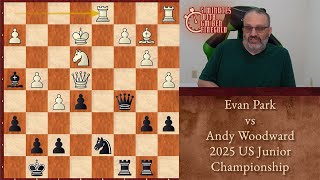
Five Minutes with Ben: Evan Park vs Andy Woodward, 2025 US Junior Championship
 ·
· 3m46s
·
· 3m46s
Five Minutes with Ben: Evan Park vs Andy Woodward, 2025 US Junior Championship Recorded on July 26, 2025 in Roswell, GA If you're interested in sponsoring a lecture of your choice, email Karen at karen@atlchessclub.com Check out Ben's Chessable courses here! https://www.chessable.com/author/BenFinegold/ Signup or gift a chess.com Premium membership to get access to their lessons, remove ads, improve your chess, AND help Ben at the same time!! Upgrade your chess.com membership or join! - http://go.chess.com/finegold. Watch live at https://www.twitch.tv/itsBenAndKaren Donations are appreciated at: https://streamlabs.com/itsBenandKaren/tip Follow me on Twitter: https://twitter.com/ben_finegold #benfinegold #chess #5minswithben

“VILLAIN of History!” Israel’s Total Occupation of Gaza + Anthony Aguilar On GHF ‘War Crimes’
·
· 1h8m
Benjamin Netanyahu is now pushing for a total reoccupation of the Gaza Strip, even amid protests from some IDF commanders and hostage families. And those hoping for the US to urge restraint have so far been disappointed. Many believe that yet another Israeli escalation will be a death sentence for not only the hostages but also what’s left of the strip. The United Nations says that 1,400 Palestinians have been killed while trying to get food since May, including at least 859 near aid sites run by the so-called Gaza Humanitarian Foundation, which is run in partnership between Israel and the United States and was created to circumvent the established aid groups, with disastrous results. Former US special forces green beret Anthony Aguilar worked as a guard at a GHF site and has since blown the whistle on what he says are war crimes. He joins Piers Morgan to discuss this, before retired lieutenant colonel and IDF spokesman Jonathan Conricus joins. But first, Piers leads a discussion with Israeli hostage negotiator Gershon Baskin, author of ‘End Jew Hatred’ Brooke Goldstein, co-host of ‘Democracy-ish’ Wajahat Ali and he also speaks to Palestinian National Initiative president Mustafa Barghouti. Piers Morgan Uncensored is proudly independent and supported by: Birch Gold: Visit https://birchgold.com/piers to get your free info kit on gold. Tax Network USA: Call 1-800-958-1000 or visit https://TNUSA.com/PIERS to meet with a strategist today for FREE Pique: Get 20% off your order plus a FREE frother & glass beaker with this exclusive link: https://piquelife.com/PIERS 00:49 Piers Morgan's monologue on Gaza-Israel 02:49 Panel debate whether hostages will be released 08:42 Goldstein: 'Why is the world preventing Gazans from leaving?' 09:42 AD: Gold Birch - birchgold.com/piers for free info kit 10:48 Wajahat Ali to Goldstein: ‘Israel has killed 61,000 Palestinians' 14:10 Mustafa Barghouti interview begins 19:15 Why isn’t there more pressure on Hamas to release hostages? 20:17 AD: Tax Network USA - TNUSA.com/PIERS to meet with a strategist for FREE 21:16 Barghouti: 'Hamas has said they will release all remaining hostages' 26:15 Panel responds to Barghouti 31:25 AD: Pique - piquelife.com/PIERS for 20% off plus freebies 32:50 Baskin: "My government is committing war crimes in Gaza" 43:17 ‘She will be the villain of our children’s history books’ 44:47 Anthony Aguilar on aid crisis on Gaza 52:45 Jonathan Conricus responds on the aid crisis in Gaza 59:00 - Who has killed 12,000 people? Subscribe to stay up-to-date on all Uncensored content. Follow Piers Morgan Uncensored on: X: https://x.com/PiersUncensored Instagram: https://www.instagram.com/piersmorganuncensored/ Facebook: https://www.facebook.com/piersmorganuncensored TikTok: https://www.tiktok.com/@piersmorganuncensored Follow Piers Morgan on: X: https://x.com/piersmorgan Instagram: https://www.instagram.com/piersmorgan #israel #gaza #palestine #debate #piersmorgan

THREE STUART STEAM PLANTS - BOILER WORKS - PART #7
 ·
· 7m39s
·
· 7m39s
Three Stuart Steam Plants - Boiler Works - Part #7. Painting the Boiler Side Panels and a couple of Chimneys with an interesting approach to the painting method followed by assembling the other 501 Boiler. https://www.patreon.com/keithappleton IF YOU ENJOY WATCHING THESE DETAILED TUTORIAL VIDEOS THAT I PRODUCE TO HELP BEGINNERS TO THE HOBBY, THEN PLEASE BECOME A PATRON OF MY YOUTUBE CHANNEL VIA "PATREON" AND ALLOW ME THE TIME TO MAKE EVEN MORE OF THESE SPECIALIST AND HIGHLY DETAILED TUTORIAL VIDEOS. AS A PATREON SUPPORTER YOU ARE ABLE TO ACCESS MANY OF MY VIDEOS THAT ARE NOT FOR PUBLIC VIEW ON YOUTUBE. PLEASE VISIT MY WEBSITE FOR THE VERY EASY TO USE COMPREHENSIVE PLAYLIST INDEX OF ALL OF MY YOUTUBE VIDEOS: www.mainsteam.co.uk OR CLICK HERE FOR PATREON: https://www.patreon.com/keithappleton Please become a member of my Youtube Channel to get access to extra videos: https://www.youtube.com/channel/UCgeQiJg-PIH5MZQn0aRd1mg/join

El Vito, An Adalusian Folk Song #shorts #classicalguitarshed #classicalguitar #playbeautifully
 ·
· 1m16s
·
· 1m16s
https://bit.ly/El_Vito A fun piece for beginners through early-intermediate players. Click the link to check out the full course. It's got loads of useful tips for learning and practicing Spanish guitar pieces (beyond this one). https://classicalguitarshed.com/membership/ Click this link to learn more about our full course for classical guitar. It's organized, structured, and strategic from the beginning, so you make the most of your time and avoid injury and frustration. Build your basics, fill the gaps, and rise to more advanced levels of playing. Free sheet music library: https://classicalguitarshed.com/music Free tutorials: https://classicalguitarshed.com/cgs-archives Structured classical guitar course: https://classicalguitarshed.com/membership Are you learning classical guitar or would like to learn classical guitar? ClassicalGuitarShed.com can help you on the journey. If you want to rise to new levels in your playing, it just takes time and strategic work. To play classical guitar well, you need to know: * how to hold and touch the guitar - form and positioning * how to move your fingers and hands - efficient, clean, and fluid * how to learn pieces - reading music, understanding what you see, ingraining, polishing * how to craft the music so it is beautiful - swells and fades, rhythm, touch * how to practice so all these skills improve over time and don't go away At the root of beautiful playing is a solid technique (aka “the way your hands move”). You may have beautiful music in your head, but if your hands can't play it, it won't come out of the guitar. But bad technique puts a limit on your playing. Speed, tone quality, and control can suffer. Good technique gets stronger and more instinctive with every practice. It forms the bedrock foundation for your music. And you may want to understand music so you learn it more easily and it makes more sense. This can help you avoid the excess frustration and dismay that comes with shoddy practice and prolonged confusion. But playing the notes is not enough. Like an actor bring words to life, we breathe life into our pieces. And we can do this in an organized way, day in and day out, reliably. Great musicians can play wonderfully in any mood. They do not rely on emotions. Instead, they create music that affects our emotions. This is a trained skill, not an inborn talent. Playing classical guitar is a long-term study. It's something we do in our homes as part of our days. We play for ourselves, for the quality it adds to life. We may enjoy playing guitar for others, but most of the time we are alone with our work. There are methods and formulas for great practice. We can use our time well so that see more progress. We can fix the problems and erase the mistakes. And we can enjoy conquering the plentiful challenges that classical guitar music offers. If you plan to play classical guitar for any length of time, it is worth it to get help. It's not something we can do on our own, like folk music. I have a structured and organized course to help you play classical guitar. If you like, you can learn more here: https://classicalguitarshed.com/membership/ If you would like to hear me (Allen Mathews) playing, visit my other youtube channel: http://www.youtube.com/allenmathews/ Or check out these other YouTube videos: 11 lessons for beginners: https://youtu.be/vEau0pJdgqc Guitar basics: https://youtu.be/e51Z-50GzDo Classical guitar nails: https://youtu.be/z0jz1ms_AlM How to change classical guitar strings: https://youtu.be/AKsVF72Tsdg Most common errors: https://youtu.be/kPBqjgF9-l8 How to practice sight-reading on guitar: https://youtu.be/IZU3BZBRq2A Note-perfect playing: https://youtu.be/GbCQr1_v_9w How long does it take to learn guitar?: https://youtu.be/MJhSCXzwqCI Right-hand guitar exercises: https://youtu.be/lYv0fwHIU_w The perfect left hand on guitar: https://youtu.be/GwUsWeIyhkg Slow practice: https://youtu.be/fZTKRxtMwyU Classical guitar scales (5 shapes): https://youtu.be/cAFbEYqvYSU Guitar tremolo technique: https://youtu.be/nV2HUMx1su0 I/M alternation technique: https://youtu.be/8Jat_Bxme5c Scale variations: https://youtu.be/ukF5ukFjKS0 How chords and scales are related: https://youtu.be/j9K01pYwIRY Guitar squeaks: https://youtu.be/8wd9tsnNSLM How to hold a guitar: https://youtu.be/fxDoRaRoiUQ Classical guitar without fingernails: https://youtu.be/FAPB1aGdka0 Classical on acoustic: https://youtu.be/wGDVuRw7RGE Rasgueado technique: https://youtu.be/YL-5EhkZVck Avoid rest strokes: https://youtu.be/ahurGVdOA5E Sergio Assad left-hand workout: https://youtu.be/24vOFOOtVgk Focal dystonia: https://youtu.be/-2MeXB6LxQ4uu Bar chord tips: https://youtu.be/PWroXMukbjI

Remember Hiroshima | USA's Second Nuclear War? | India & USA Fall Out | Book Recommendations
·
· 1h57m
Geopolitics & History Briefing Episode 4 from https://jeffrich.substack.com: - Remembering Hiroshima and USA's Failure to Apologise - The Shadow of a Second Nuclear War - what is the USA thinking? - USA and India Fall Out - have Trump's bully tactics backfired? - 15 Top History Book Recommendations from the 2025 Cundill History Prize Longlist The game of world history has changed. The USA-led West no longer dictates the rules. Will it learn too late? Support a higher quality of talk on geopolitics and history by likes, shares, thanks, or by becoming a paid subscriber at https://jeffrich.substack.com. Watch before or after the livestream - Remember Hiroshima and Nagasaki with quality history in the shadow of the Second US Nuclear War https://youtu.be/2aH08yA7w_Y Get weekly book recommendations, deep dives, guides and slow reads on my World History Tour of World Powers (USA, China, India, Europe and Russia) at https://jeffrich.substack.com -------------------------------------------- Inquiries: jeff@theburningarchive.com 🎙️ New to streaming or looking to level up? Check out StreamYard and get $10 discount! 😍 https://streamyard.com/pal/d/5840296208105472

Five Minutes with Ben: Louis Zapoleon vs Jose Raul Capablanca, New York 1913
·
· 4m30s
Five Minutes with Ben: Louis Zapoleon vs Jose Raul Capablanca, New York 1913 Recorded on July 26, 2025 in Roswell, GA If you're interested in sponsoring a lecture of your choice, email Karen at karen@atlchessclub.com Check out Ben's Chessable courses here! https://www.chessable.com/author/BenFinegold/ Signup or gift a chess.com Premium membership to get access to their lessons, remove ads, improve your chess, AND help Ben at the same time!! Upgrade your chess.com membership or join! - http://go.chess.com/finegold. Watch live at https://www.twitch.tv/itsBenAndKaren Donations are appreciated at: https://streamlabs.com/itsBenandKaren/tip Follow me on Twitter: https://twitter.com/ben_finegold #benfinegold #chess #5minswithben

6.6 How Do Other Countries Approach Addiction Treatment? – Addiction Treatment Course
·
· 20m22s
What can we learn from Ireland’s approach to addiction treatment? In this episode, we speak with Professor Katherine Kaminsky, PhD—policy advisor, researcher, and harm reduction advocate—about Ireland’s National Drug Strategy and how Europe coordinates prevention efforts. She unpacks the country’s shift from abstinence-only to harm-reduction-plus-recovery, the real-world challenges of data sharing, and the overlooked impact of rural isolation. From safe injection sites to school-based prevention, this conversation highlights what’s working—and what still needs work. 🎯 What You’ll Learn: - Understand how Ireland developed a multi-sector National Drug Strategy through community partnership. - Identify key pillars of Ireland’s approach, including prevention, harm reduction, and recovery. - Recognize the challenges of data sharing and care continuity in national addiction services. - Explore how rural access barriers affect treatment availability and outcomes. - Compare Ireland’s harm reduction evolution with trends in the U.S. and Europe. 📚 About the Course This course is designed with a singular goal: to improve the care you provide to your patients with substance use disorders. By delving into a model case performed by actors, seven Yale instructors from various fields provide techniques to screen your patients for substance use disorder risk, diagnose patients to gauge the severity of their use, directly manage treatment plans, refer out to treatment services, and navigate the various conditions that may limit your patient’s access to treatment. You will ultimately be prepared to provide compassionate and evidence-based care to a large population of patients living with addiction — a chronic, often relapsing-remitting disease, but a treatable one. This course is supported in part by SAMHSA of the U.S. Department of Health and Human Services (HHS) as part of financial assistance awards from grant #1H79FG000023 totaling $249,900 and grant #3H79TI081968-02S1 from SAMHSA totaling $1,354,651 with 100 percent funded by SAMHSA/HHS. The contents are those of the author(s) and do not necessarily represent the official views of, nor an endorsement by, SAMHSA/HHS, or the U.S. Government. Note: The content in this course is intended solely to inform and educate medical professionals. This site shall not be used for medical advice and is not a substitute for the advice or treatment of a qualified medical professional. 📺 Watch the full playlist on YouTube: https://www.youtube.com/playlist?list=PLh9mgdi4rNex7nrAmvXkuU6oFkh0LLdl6 🎓 Enroll on Coursera for assessments and a certificate: https://www.coursera.org/learn/addiction-treatment 🌐 Explore more learning opportunities on Yale Online: https://online.yale.edu/courses/addiction-treatment-healthcare-providers #AddictionTreatment #YaleUniversity #OnlineCourse #MedicalEducation #SubstanceUseDisorder #SUD #HealthcareTraining

6.5 What Happens When Providers Get Sick? – Addiction Treatment Course
·
· 22m15s
Health care providers are not immune to illness, including substance use and mental health disorders, yet stigma and fear often create barriers to seeking treatment. In this lesson, Dr. Scott Teitelbaum, an expert in addiction treatment for health professionals, discusses the range of challenges providers face, the complexity of compassion among colleagues, and the importance of recognizing addiction as a non-discriminatory chronic illness. Learn about the unique risks, signs, and the necessity for supportive care tailored to providers. 🎯 What You’ll Learn: - Understand that health care providers experience substance use and mental health disorders at rates similar to the general population. - Explore the challenges providers face in seeking treatment, including stigma and fear of career consequences. - Recognize common substance use and mental health conditions affecting health professionals. - Discuss the complexity of compassion and judgment among colleagues when providers become patients. - Learn about addiction as a chronic illness with behavioral and neurobiological components. - Identify the importance of specialized addiction treatment programs for health care providers. 📚 About the Course This course is designed with a singular goal: to improve the care you provide to your patients with substance use disorders. By delving into a model case performed by actors, seven Yale instructors from various fields provide techniques to screen your patients for substance use disorder risk, diagnose patients to gauge the severity of their use, directly manage treatment plans, refer out to treatment services, and navigate the various conditions that may limit your patient’s access to treatment. You will ultimately be prepared to provide compassionate and evidence-based care to a large population of patients living with addiction — a chronic, often relapsing-remitting disease, but a treatable one. This course is supported in part by SAMHSA of the U.S. Department of Health and Human Services (HHS) as part of financial assistance awards from grant #1H79FG000023 totaling $249,900 and grant #3H79TI081968-02S1 from SAMHSA totaling $1,354,651 with 100 percent funded by SAMHSA/HHS. The contents are those of the author(s) and do not necessarily represent the official views of, nor an endorsement by, SAMHSA/HHS, or the U.S. Government. Note: The content in this course is intended solely to inform and educate medical professionals. This site shall not be used for medical advice and is not a substitute for the advice or treatment of a qualified medical professional. 📺 Watch the full playlist on YouTube: https://www.youtube.com/playlist?list=PLh9mgdi4rNex7nrAmvXkuU6oFkh0LLdl6 🎓 Enroll on Coursera for assessments and a certificate: https://www.coursera.org/learn/addiction-treatment 🌐 Explore more learning opportunities on Yale Online: https://online.yale.edu/courses/addiction-treatment-healthcare-providers #AddictionTreatment #YaleUniversity #OnlineCourse #MedicalEducation #SubstanceUseDisorder #SUD #HealthcareTraining

A Simple Twist Of Fate
 ·
· 8m16s
·
· 8m16s
In this episode I talk about the chance encounters and surprising twists that ultimately launched my career. 📚 The Complete Beato Method ➞ https://rickbeato.com/ Get my complete teaching system: 1. Beato Ear Training Method ($99 Value) 2. Beato Book Interactive ($99 Value) 3. Quick Lessons Pro ($79 Value) 4. Arpeggio Masterclass ($150 Value) 5. Music Theory for Songwriters ($149 Value) 6. Beginner Guitar Course ($159 Value) Get all six courses—a $735 total value—for just $109 My Beato Club supporters: Justin Scott Terence Mark Jason Murray Lucienne Kilpatrick Alexander Young Jason Wagner Todd Ladner Rob Kline Nicholas Long Tim Benson Leonardo Martins da Costa Rodrigues Eddie Perez David Solomon MICHAEL JOYCE Stephen Stubbs colin stead Jonathan Wentworth-Linton Patrick Payne MATTHEW KARIS Matthew Barouch Shaun Samuels Danny Kurywchak Gregory Reedy Sean Coleman Alexander Verbitskiy CL Turner Jason Pappafotis John Fulford Margaret Carno Robert C David M Combs Eric Flatt Reto Spoerli Herr Moritz Adam Monte St. Johns Jon Beezley Peter DeVault Eric Nabstedt Eric Beggs Rich Germano Brian Bloom Peter Pillitteri Piush Dahal Toby Guidry

James May Visits Miami’s Floating Ghost Town
 ·
· 12m43s
·
· 12m43s
🍸 Buy James Gin so Lucy can keep her job: https://jamesmaysgin.com/BoatGin James wears the correct trousers to ask the question: "What lengths did Americans go to to in the 1930's to get a decent drink?" Luckily it's now a good deal easier as James Gin is available throughout the U.S. on dry land. 🎥 Subscribe to my newsletter for behind the scenes: https://jamesmaysgin.com/WantMore 👕 Check out my merch: https://jamesmaysgin.com/Merch 📸 Follow me on Insta: https://www.instagram.com/jamesmaygin/

The Entire History of Horror Games
 ·
· 2h32m
·
· 2h32m
Horror games have come a long way Introduction – 0:00 Early Horror (1981-1995) – 6:34 Survival Horror (1996-2005) – 38:35 Action Horror (2005-2014) – 1:07:54 Indie Horror (2008+) – 1:41:52 Modern Horror (2015+) – 2:10:35 Conclusion – 2:26:16 Sources: https://pastebin.com/vNqAGHxR Soundtrack: https://pastebin.com/d7rN0khY https://www.patreon.com/NeverKnowsBestYoutube


The Veterans of the Battle for Caen tell their stories
 ·
· 1m29s
·
· 1m29s
Welcome to the official Get.factual youtube channel! 🌍 We are a documentary streaming channel covering history, science, technology, and nature. Explore worlds distant, forgotten, and unknown; from the depths of ocean trenches to the far reaches of the cosmos. New uploads of full-length documentaries and docu-series every week! Subscribe here: https://bit.ly/GetfactualSUB

Arbeidsmigranten wonen op een verloederd vakantiepark
 ·
· 1m51s
·
· 1m51s
Wat als je werkgever ook je huisbaas is? Veel arbeidsmigranten in Nederland zijn dubbel afhankelijk van hun uitzendbureau. Dat leidt soms tot erbarmelijke situaties: Sergiu Julan woont op een verloederd vakantiepark. In 2022 onderzocht Zembla de uitbuiting van arbeidsmigranten. Pogingen om hun woonomstandigheden te verbeteren stuiten op verzet van omwonenden en onwil bij gemeentes. *Dit fragment komt van een Zembla-uitzending uit 2022.

2.2 What is a standard drink? – Addiction Treatment Course
·
· 1m59s
Help your patients understand what counts as a “standard drink.” This lesson clarifies how alcohol volume varies across beer, wine, and spirits—and why accurate definitions matter for screening and assessing risk. 🎯 What You’ll Learn: - Define what constitutes a standard drink in the U.S. - Understand how alcohol content differs by beverage type - Learn how to ask follow-up questions to clarify patient responses - Accurately calculate a patient’s alcohol consumption - Recognize how drink size impacts risk assessment 📚 About the Course This course is designed with a singular goal: to improve the care you provide to your patients with substance use disorders. By delving into a model case performed by actors, seven Yale instructors from various fields provide techniques to screen your patients for substance use disorder risk, diagnose patients to gauge the severity of their use, directly manage treatment plans, refer out to treatment services, and navigate the various conditions that may limit your patient’s access to treatment. You will ultimately be prepared to provide compassionate and evidence-based care to a large population of patients living with addiction — a chronic, often relapsing-remitting disease, but a treatable one. This course is supported in part by SAMHSA of the U.S. Department of Health and Human Services (HHS) as part of financial assistance awards from grant #1H79FG000023 totaling $249,900 and grant #3H79TI081968-02S1 from SAMHSA totaling $1,354,651 with 100 percent funded by SAMHSA/HHS. The contents are those of the author(s) and do not necessarily represent the official views of, nor an endorsement by, SAMHSA/HHS, or the U.S. Government. Note: The content in this course is intended solely to inform and educate medical professionals. This site shall not be used for medical advice and is not a substitute for the advice or treatment of a qualified medical professional. 📺 Watch the full playlist on YouTube: https://www.youtube.com/playlist?list=PLh9mgdi4rNex7nrAmvXkuU6oFkh0LLdl6 🎓 Enroll on Coursera for assessments and a certificate: https://www.coursera.org/learn/addiction-treatment 🌐 Explore more learning opportunities on Yale Online: https://online.yale.edu/courses/addiction-treatment-healthcare-providers #AddictionTreatment #YaleUniversity #OnlineCourse #MedicalEducation #SubstanceUseDisorder #SUD #HealthcareTraining

Schrödinger's cat is stranger than we think | Avshalom Elitzur
 ·
· 1m28s
·
· 1m28s
#schrodinger #schrodingerscat #physics #quantum With a free trial, you can watch the full talk NOW at https://iai.tv/video/what-einstein-got-wrong-about-time-avshalom-elitzur?utm_source=YouTube&utm_medium=short

Ever Seen a 10-String Classical Guitar?! 🤯 Kazuo Sato 1976
 ·
· 1m0s
·
· 1m0s
🎸☀️ Featured in our Summer Sale: https://www.siccasguitars.com/guitar/summer-sale/ Support our channel and become a SiccasGuitars Member with exclusive classical guitar nerd perks: https://www.youtube.com/channel/UCR39sLAZ5wS_vrMo4tRylHw/join ‾‾‾‾‾‾‾‾‾‾‾‾‾‾‾‾‾‾‾‾‾‾‾‾‾‾‾‾‾‾‾‾‾‾‾‾‾‾‾‾‾‾‾‾‾‾‾‾‾‾‾‾‾‾‾‾‾‾‾‾‾‾‾‾ Follows us on: ► Instagram: https://www.instagram.com/siccasguitars/ ► TikTok: https://www.tiktok.com/@siccasguitars ► Facebook: https://www.facebook.com/siccasguitars/ ► Twitter: https://twitter.com/siccasguitars WEBSITES: ► https://www.siccasmedia.com/ ► https://www.siccasguitars.com/ ► https://playsomethingcool.com/ NEWSLETTER: ► http://bit.ly/SiccasGuitars CONTACT US: ► info@siccasguitars.com ► 76137 Karlsruhe, Roonstr. 31, Germany ‾‾‾‾‾‾‾‾‾‾‾‾‾‾‾‾‾‾‾‾‾‾‾‾‾‾‾‾‾‾‾‾‾‾‾‾‾‾‾‾‾‾‾‾‾‾‾‾‾‾‾‾‾‾‾‾‾‾‾‾‾‾‾‾ ►►ANA VIDOVIC https://www.youtube.com/playlist?list=PLWOAHYyavpQhzY5wkpHE0_AGu72x7JjdN ►►J S BACH https://www.youtube.com/playlist?list=PLWOAHYyavpQiRD8C05bGImSEXp5KLpMSk ►► ALBUMS & CONCERTS https://www.youtube.com/playlist?list=PLWOAHYyavpQj1YvhqLIO5EGz9ikpYTc2m ‾‾‾‾‾‾‾‾‾‾‾‾‾‾‾‾‾‾‾‾‾‾‾‾‾‾‾‾‾‾‾‾‾‾‾‾‾‾‾‾‾‾‾‾‾‾‾‾‾‾‾‾‾‾‾‾‾‾‾‾‾‾‾‾ Classical guitars are our passion! We are specialized in the highest quality concert guitars as well as historic guitars from around the world. Our passion for these unique instruments and the joy to give guitarists, passionate players, and collectors the possibility to purchase their own appropriate instrument is the motivation that drives us. Another focus is to work closely with established and young, largely unknown luthiers. Together we want to develop new ideas and share experiences with our customers. We also recorded pieces for many great composers such as Johann Sebastian Bach, Astor Piazzolla and Isaac Albeniz (Asturias). You will also find almost all the classical music composers that wrote for the classical guitar. Make sure to discover Agustin Barrios Mangoré, Manuel Maria Ponce, Heitor Villa-Lobos and many more if you don't know their compositions already You can find our showroom in 76137 Karlsruhe, Roonstr. 31, Germany ‾‾‾‾‾‾‾‾‾‾‾‾‾‾‾‾‾‾‾‾‾‾‾‾‾‾‾‾‾‾‾‾‾‾‾‾‾‾‾‾‾‾‾‾‾‾‾‾‾‾‾‾‾‾‾‾‾‾‾‾‾‾‾‾ #SiccasGuitars # # ‾‾‾‾‾‾‾‾‾‾‾‾‾‾‾‾‾‾‾‾‾‾‾‾‾‾‾‾‾‾‾‾‾‾‾‾‾‾‾‾‾‾‾‾‾‾‾‾‾‾‾‾‾‾‾‾‾‾‾‾‾‾‾‾ Lighted by Nyta: https://www.nyta.eu/en/

Chenin Blanc in the Loire Valley for WSET level 3
 ·
· 9m39s
·
· 9m39s
In this video I explore Chenin Blanc’s key appellations in the Loire Valley, focusing on Anjou-Saumur, Savennières, Coteaux du Layon, Bonnezeaux and Quarts-de-Chaume. We look at the full stylistic range, from sparkling Crémant de Loire to rich noble-rot dessert wines and crisp, age-worthy dry expressions. I cover: Chenin Blanc’s high acidity, uneven ripening and the need for multiple harvest passes The influence of climate and soils across different sub-regions How ripeness affects style, from fresh apple to tropical fruit, honey and citrus peel Sparkling wines from Saumur and Vouvray The mineral, intense dry wines of Savennières The concentrated sweet wines of the Layon valley This is part two of a five-part Loire Valley series for WSET Level 3 students. Videos three to five are available exclusively on my e-learning platform at www.winewithjimmy.com, along with many more resources to help you get more from every glass.
Ziploc Bag Omega Needs More Than Zero End Shake
 ·
· 1m0s
·
· 1m0s
With zero end shake (the amount the wheel can move up and down) this barrel wasn't moving smoothly, but I found a little wiggle room. #watches #watchmaking #watchrepair

Kennedy Cancels Vaccine Contracts, Uber and Sexual Assault, ICE’s $50k Signing Bonus | The Headlines
 ·
· 10m1s
·
· 10m1s
Today’s top news stories, all in about 10 minutes. Listen every weekday morning, with insight and analysis from New York Times reporters all over the world. For more on this episode: https://www.nytimes.com/2025/08/06/podcasts/the-headlines/uber-sexual-assault-ice-signing-bonus.html What we're covering: Uber’s Festering Sexual Assault Problem (http://nytimes.com/2025/08/06/business/uber-sexual-assault.html) , by Emily Steel Kennedy Cancels Nearly $500 Million in mRNA Vaccine Contracts (https://www.nytimes.com/2025/08/05/health/rfk-jr-vaccine-funding.html) , by Apoorva Mandavilli Officials Move to Open Inquiry on Trump’s ‘Russia Hoax’ Grievance (https://www.nytimes.com/2025/08/05/us/politics/trump-russia-grand-jury-investigation.html) , by Glenn Thrush, Alan Feuer, Devlin Barrett and Maggie Haberman ICE Offers, Then Quickly Withdraws, Cash Bonuses for Swiftly Deporting Immigrants (https://www.nytimes.com/2025/08/05/us/politics/ice-bonuses-immigrants-deportations.html) , by Hamed Aleaziz and Nicholas Nehamas Israel, Facing Anger Over Starvation in Gaza, Tries to Shift the Focus (https://www.nytimes.com/2025/08/05/world/middleeast/un-israel-gaza-war-hostages.html) , by Aaron Boxerman Bite Club: The Fraternity That Awaits You After a Shark Attack (https://www.nytimes.com/2025/08/05/world/australia/shark-attack-bite-club.html) , by Victoria Kim Tune in every weekday morning. To get our full audio journalism and storytelling experience, download (https://apps.apple.com/us/app/nyt-audio/id1549293936) the New York Times Audio app — available to Times news subscribers on iOS — and sign up (https://www.nytimes.com/newsletters/audio) for our weekly newsletter. Tell us what you think at: theheadlines@nytimes.com.

Five Spice Crispy Pork Belly
 ·
· 0m47s
·
· 0m47s
Five Spice Crispy Pork Belly Ingredients 1.5kg (3 lb) pork belly, skin on 3 tsp Shaoxing wine ½ tsp Chinese 5 spice ½ tsp garlic powder 2 tsp fine sea salt 1 tsp caster sugar ¼ tsp ground white pepper Olive oil Sea salt, extra Steamed rice and Asian greens, black vinegar and soy dipping sauce, to serve Method Step 1: Parboil the pork Place enough water in a wide saucepan to submerge pork and palace over medium-high heat. Bring to a boil, then add the pork, skin side down, and cook for 1 minute, until the skin changes colour. Carefully turn pork over and cook for a further 30 seconds. Transfer to a large bowl of iced water, and use a sharp knife to scrape off any debris on the surface. Pat pork dry with a paper towel, then place skin side up on a wire rack over a tray. Step 2: Score and marinate the pork Pierce the skin with a toothpick or meat tenderiser until you have made holes all over the skin. Sprinkle over some of the sea salt and rub into the skin. Turn pork over and score the flesh with deep cuts crossways and vertically to make squares. Sprinkle the shaoxing all over the flesh side of the pork. Combine 5 spice, garlic powder, salt, sugar and pepper in a small bowl, then rub this into the meat and down into the slits. Wipe clean with paper towel, then transfer to the fridge overnight to dry out. Step 3: Cook Preheat the oven to 190°C fan forced (375°F). Remove the pork from the fridge and rub the skin with a drizzle of oil and even layer of extra sea salt. Add 250ml of water to the bottom of the tray and place in the oven. Reduce oven temperature to 170°C (340°F). Cook for 1 hour. Increase oven temperature to 200°C (395°F), bake a further 30 mins until skin is crispy. Rest for at least 30 mins. Step 4: Finish and serve Slice the pork up using the scored marks and serve with steamed rice, steamed Asian greens and a dipping sauce of soy and black vinegar.

The Kind of Pain She Wanted
·
· 46m36s
For her entire life, Grace Hussar has been an overthinker. No matter how much she wanted to be in the moment, she always felt as if she was just outside it. But when she took up endurance running, she realized something: Extreme pain turned her thoughts off. She wanted more of that feeling — more pain and less overthinking. As a mother of two with a happy partnership and a career in finance, what she explored next surprised her. On this week’s episode of “Modern Love,” Hussar talks about her essay, “The Kind of Pain I Wanted (https://www.nytimes.com/2025/01/24/style/modern-love-the-kind-of-pain-i-wanted.html) .” Hussar shares the story of how she discovered that rope play and kink were the keys to newfound presence and pleasure in her life. Here’s how to submit a Modern Love essay to The New York Times (https://www.nytimes.com/article/how-to-submit-a-modern-love-essay.html) . Here’s how to submit a Tiny Love Story (https://www.nytimes.com/2018/09/19/style/modern-love-tiny-love-stories.html?pgtype=Article&action=click&module=RelatedLinks) . Unlock full access to New York Times podcasts and explore everything from politics to pop culture. Subscribe today at nytimes.com/podcasts (http://nytimes.com/podcasts) or on Apple Podcasts and Spotify.

How to Build an Emergency Kit (Encore)
·
· 40m14s
Natural disasters are becoming more intense and unpredictable. To help you prepare, we’re re-airing this episode on how to build a disaster kit. Wirecutter also just published a handy tool to help you customize an emergency kit specific to your needs, an article on preparing a disaster pantry, and guidance on choosing a generator. In this episode, Harry Sawyers, who edits Wirecutter’s extensive emergency-preparedness coverage, walks us through the supplies everyone should have on hand to stay comfortable and safe—regardless of the emergency. We break down a basic supply kit that won’t break the bank—you may already own many of these items—and that should help in the face of a power outage, minor flooding, or more-serious disasters. Plus, Harry introduces us to the wild world of folding hand saws, solar floating lanterns, and weather radios. Articles about emergency preparedness: • Build Your Own Disaster-Prep Kit (https://www.nytimes.com/wirecutter/reviews/emergency-preparedness-kit-builder/) • A Complete Guide to Backup Power, From Portable Power Banks to Standby Generators (https://www.nytimes.com/wirecutter/reviews/choosing-backup-home-power-options/) • The Best Portable Generators (https://www.nytimes.com/wirecutter/reviews/best-portable-generator/) • How to Prepare Your Pantry for an Emergency (https://www.nytimes.com/wirecutter/reviews/emergency-pantry-preparation/) • 9 Extreme Weather Survivors Share the Tools That Helped Them Get Through Disaster (https://www.nytimes.com/wirecutter/reviews/disaster-recovery-products) • The LA Wildfires Devastated the Homes of Two Wirecutter Writers. Here’s What They Learned While Recovering (https://www.nytimes.com/wirecutter/reviews/la-wildfire-recovery) • The Best Emergency Preparedness Supplies (https://www.nytimes.com/wirecutter/reviews/emergency-preparedness) • The Best Gear for Your Bug-Out Bag (https://www.nytimes.com/wirecutter/reviews/best-gear-for-your-bug-out-bag) • Everything I Did to Flood-Proof My Old House (https://www.nytimes.com/wirecutter/guides/flood-proofing-my-old-house) Products we recommend: • Water & Food • Best rigid water container: Reliance Aqua-Tainer 7-Gallon (https://wrctr.co/4okjT4h) • Light • Best flashlight: ThruNite Archer 2A V3 (https://wrctr.co/41kmfWM) • Best floating solar lantern: LuminAid Titan 2-in-1 Power Lantern (https://wrctr.co/4l4xM3G) • Power • Best portable solar charger: BigBlue 28W USB Solar Charger (https://wrctr.co/4ofslll) • Tools • Best weather radio: Midland ER310 (https://wrctr.co/3Jjy2yo) • Best multi-tool: Leatherman Skeletool CX (https://wrctr.co/4lYQ5bQ) • Folding saws Harry likes: Silky Pocketboy 130 mm Folding Saw Medium Teeth 340-13 (https://wrctr.co/4fn0try) , Silky Professional BIGBOY Folding Saw 360mm Large Teeth (354-36) (https://wrctr.co/4fhMGCk) , Silky Zubat Curved Hand Saw 270mm Large Teeth (270-27) (https://wrctr.co/4okboWX) • Harry’s favorite recent purchase: Aquatabs (https://wrctr.co/4mqlbZS) We independently review everything we recommend. When you buy through our links, we may earn a commission. Learn more› (https://www.nytimes.com/wirecutter/about/) Wirecutter Social and Website Instagram: /wirecutter (https://www.instagram.com/wirecutter/) Threads: /@wirecutter (https://www.threads.com/@wirecutter) Twitter: /wirecutter (https://x.com/wirecutter) Facebook: /thewirecutter (https://www.facebook.com/thewirecutter/) TikTok: /wirecutter (https://www.tiktok.com/@wirecutter) Timestamps 00:38 Intro 04:10 Harry's experience with disasters in Georgia and California 05:15 Making an emergency plan 09:18 Where and how to store emergency kits 11:38 Water & Food 16:41 First Aid 19:31 Light 22:51 Power and Communication 27:51 Tools 36:50 Harry's favorite thing he's bought recently The Wirecutter Show is executive produced by Rosie Guerin and produced by Abigail Keel. Engineering support from Maddy Masiello and Nick Pitman. Episodes are mixed by Catherine Anderson, Efim Shapiro, Rowan Niemisto, Sophia Lanman, and Sonia Herrero. Original music by Dan Powell, Marion Lozano, Elisheba Ittoop, and Diane Wong. Wirecutter’s deputy publisher and general manager is Cliff Levy. Ben Frumin is Wirecutter’s editor-in-chief. Hosted by Rosie Guerin, Caira Blackwell and Christine Cyr Clisset. #wirecutter #TheWirecutterShow #podcast #emergencypreparedness #emergencyprep #gobag