
The Most Secret Building in Manhattan
 ·
· 17m31s
·
· 17m31s
Check out https://anydesk.com/fern to try it out for free (ad) What’s Hidden Inside the NSA Spy Hub in Manhattan? The Intercept (Titanpointe Research): https://theintercept.com/2016/11/16/the-nsas-spy-hub-in-new-york-hidden-in-plain-sight/ NSA Leaks: https://www.theguardian.com/world/interactive/2013/nov/01/snowden-nsa-files-surveillance-revelations-decoded#section/1 Check out Sharik: https://www.instagram.com/sharikgeneve 0:00 Intro 1:10 A Towering Menace 4:24 Project X 9:12 Room 641A 11:17 Titanpointe Sources: https://docs.google.com/document/d/1Mxq3W4iW6piHMMuH6SdV0MI_AUBsQiFTkIgbfUooOSY/edit?tab=t.0 Music: Artlist: Out of Flux - Slithering Woe Stanley Gurvich - Absolution IamDayLight - Jungle Rave Theatre of Delays - Distant Worlds Jimmy Svensson - Boot Sequence Out of Flux - Graystar Epidemic Sounds: Power Lunch - Jobii Someone There - Victor Lundberg Act Calm - OTE Annihilated - Blue Saga Enter the Night 1 - Fredrik Ekstrom Clearer Views - From Now On Leaving Base - Anthony Earls Johnny Harris x Tom Fox: Bass Walk Audiio: Matthew L. Fisher - Apex (Instrumental) Matthew L. Fisher - Deep Space Matthew L. Fisher - Dark Traveler Matthew L. Fisher - Unbroken Lens Distortion: Antigravity 10,000 Hours Dark Narrative _____ Armchair documentaries, almost weekly

Five Minutes with Ben: Rachael Li vs Rochelle Wu, 2025 US Junior Girls Championship
 ·
· 5m24s
·
· 5m24s
Five Minutes with Ben: Rachael Li vs Rochelle Wu, 2025 US Junior Girls Championship Recorded on July 26, 2025 in Roswell, GA If you're interested in sponsoring a lecture of your choice, email Karen at karen@atlchessclub.com Check out Ben's Chessable courses here! https://www.chessable.com/author/BenFinegold/ Signup or gift a chess.com Premium membership to get access to their lessons, remove ads, improve your chess, AND help Ben at the same time!! Upgrade your chess.com membership or join! - http://go.chess.com/finegold. Watch live at https://www.twitch.tv/itsBenAndKaren Donations are appreciated at: https://streamlabs.com/itsBenandKaren/tip Follow me on Twitter: https://twitter.com/ben_finegold #benfinegold #chess #5minswithben

Did Microsoft Just Fix Its Quantum Problem?
 ·
· 6m15s
·
· 6m15s
Check out the newly updated mathematics course on Brilliant! Start learning for free at https://brilliant.org/sabine/ and get 20% off a premium subscription, which includes daily unlimited access! Earlier this year, Microsoft unveiled its new Majorana quantum processor which supposedly used topological qubits which are less susceptible to noise. Unfortunately for the company, that claim was quickly disputed by quantum researchers. Now, though, Microsoft researchers have published yet another paper to the arXiv claiming that they’ve made another quantum breakthrough. Let’s take a look. 🤓 Check out my new quiz app ➜ http://quizwithit.com/ 📚 Buy my book ➜ https://amzn.to/3HSAWJW 💌 Support me on Donorbox ➜ https://donorbox.org/swtg 📝 Transcripts and written news on Substack ➜ https://sciencewtg.substack.com/ 👉 Transcript with links to references on Patreon ➜ https://www.patreon.com/Sabine 📩 Free weekly science newsletter ➜ https://sabinehossenfelder.com/newsletter/ 👂 Audio only podcast ➜ https://open.spotify.com/show/0MkNfXlKnMPEUMEeKQYmYC 🔗 Join this channel to get access to perks ➜ https://www.youtube.com/channel/UC1yNl2E66ZzKApQdRuTQ4tw/join #science #sciencenews #microsoft #quantum

What happened in Yugoslavia after Tito's death in 1980?
 ·
· 0m55s
·
· 0m55s
Welcome to the official Get.factual youtube channel! 🌍 We are a documentary streaming channel covering history, science, technology, and nature. Explore worlds distant, forgotten, and unknown; from the depths of ocean trenches to the far reaches of the cosmos. New uploads of full-length documentaries and docu-series every week! Subscribe here: https://bit.ly/GetfactualSUB

How neoliberalism broke economics | Dr Abby Innes
 ·
· 24m58s
·
· 24m58s
Abby Innes goes in-depth into how neoliberalism has 'Sovietized' Britain, and the field of economics itself. Is Keir Starmer a Brezhnev or a Khrushchev? With a free trial, you can watch Abby give a lecture on Late Soviet Britain at https://iai.tv/video/neoliberalism-a-soviet-nightmare?utm_source=YouTube&utm_medium=description In this IAI Studio interview, political economist and LSE associate professor Abby Innes argues that Britain’s governing model has more in common with the Soviet Union than many would care to admit. Drawing on her book Late Soviet Britain, Innes explores how the UK’s embrace of managerialism and economic determinism has produced a system that promises technical neutrality but delivers ideological rigidity. Do we mistakenly treat economics as an exact science? Can a political system function when economic decisions are removed from democratic debate? And has Britain’s faith in market mechanisms created a new form of central planning? #neoliberalism #economics #sovietunion #ukpolitics Abby Innes is Associate Professor of Political Economy at the European Institute, London School of Economics. Her research focuses on state theory, post-communist transitions, and the political economy of the UK. She is the author of Late Soviet Britain: Why Materialist Utopias Fail. Interviewed by Harry Carlisle at HowTheLightGetsIn London, in September 2024. 00:00 Introduction 00:33 How did you make the connection between the modern British government and the Soviet Union? 05:06 Why has the field of economics been led so astray? Why is there still such an appeal to utopianism? 11:27 Why does the Left have a blind spot to economic methodology? 16:17 Is there a way we can navigate past this methodological rabbit-hole? 23:43 Keir Starmer: is he a Brezhnev or a Khrushchev? The Institute of Art and Ideas features videos and articles from cutting edge thinkers discussing the ideas that are shaping the world, from metaphysics to string theory, technology to democracy, aesthetics to genetics. Subscribe today! https://iai.tv/subscribe?utm_source=YouTube&utm_medium=description&utm_campaign=how-neoliberalism-broke-economics-with-abby-innes For debates and talks: https://iai.tv For articles: https://iai.tv/articles For courses: https://iai.tv/iai-academy/courses

Here’s Why Artists Are TERRIFIED of Sony (MJ Tried to Warn Us)
 ·
· 18m0s
·
· 18m0s
From Michael Jackson to today's biggest stars, Sony owns a piece of almost every artist in the industry. Michael's battle was the most high profile but he was just the tip of the iceberg. Here's why Kesha, Mariah Carey, George Michael and everyone else fears Sony Music too. _______________________ Buy me a drink and support the channel... *CashApp | https://cash.app/$jaydiggsmusic *PayPal | https://paypal.me/jaydiggsent _______________________ ➤ Stream/Download my album: https://ffm.to/jams _______________________ ➤ Follow Jay Diggs: https://www.instagram.com/jaydiggsmusic/ https://www.tiktok.com/@jaydiggsmusic https://x.com/jaydiggsmusic https://www.jaydiggs.com ______________________ ➤ Products and Gear Used in this video: Oberheim OBX8 Synthesizer ➡︎ https://amzn.to/3Odznpo Sony ZV-E10 Camera ➡︎ https://amzn.to/3OwlP9U Rode Wireless Pro II Microphone ➡︎ https://amzn.to/44WOJFw Amaran 100d Video Light ➡︎ https://amzn.to/3DwLg4W RGB LED Lights ➡︎ https://amzn.to/3Yp1N4J _______________________ ➤ Sponsorship and business inquiries: jay@jaydiggs.com _______________________ Timestamps: 00:00 Dark History of Sony Music 02:29 Michael Jackson 06:08 Kesha 08:29 Mariah Carey 10:57 George Michael 12:49 Kelly Clarkson 14:06 Shakira 15:35 Sony vs Everybody #michaeljackson #sony

The Most Closely Watched Trump Firing in Washington
 ·
· 29m22s
·
· 29m22s
For many Americans, the government’s monthly jobs number was a pretty dull statistic — until a few days ago, when President Trump angrily fired the person responsible for producing it, the commissioner of the Bureau of Labor Statistics. Now, from Washington to Wall Street, many people are wondering whether you can still trust federal statistics if the president is willing to just get rid of people who give him facts he doesn’t like. On this episode, Ben Casselman joins The Daily to discuss how the government’s economic data suddenly turned into a national drama. Guest: Ben Casselman (https://www.nytimes.com/by/ben-casselman) , the chief economics correspondent for The New York Times. Background reading: • President Trump fired America’s economic data collector. History shows the perils of such a move (https://www.nytimes.com/2025/08/03/business/trump-bls-firing-economic-reports.html) . • Until the president fired her, Erika McEntarfer was an economist with bipartisan support (https://www.nytimes.com/2025/08/02/us/politics/until-trump-fired-her-she-was-an-economist-with-bipartisan-support.html) . For more information on today’s episode, visit nytimes.com/thedaily (http://nytimes.com/thedaily?smid=pc-thedaily) . Transcripts of each episode will be made available by the next workday. Photo: Haiyun Jiang/The New York Times Subscribe today at nytimes.com/podcasts (http://nytimes.com/podcasts) or on Apple Podcasts and Spotify. You can also subscribe via your favorite podcast app here https://www.nytimes.com/activate-access/audio?source=podcatcher. For more podcasts and narrated articles, download The New York Times app at nytimes.com/app.

Jorge Caballero plays Capriccio Espagnol by N. Rimski-Korsakow on a 1963 Hernandez y Aguado Guitar
 ·
· 15m3s
·
· 15m3s
🎸This guitar is available in our Siccas Guitars shop: https://www.siccasguitars.com/shop/guitar/hernandez-y-aguado-1963-no-233/ Jorge Caballero plays Capriccio Espagnol by Nikolai Rimski-Korsakow (arr. Jorge Caballero) on a 1963 Hernandez y Aguado classical guitar. Find your dream classical guitar on https://www.siccasguitars.com 😊 Support our channel and become a SiccasGuitars Member with exclusive classical guitar nerd perks: https://www.youtube.com/channel/UCR39sLAZ5wS_vrMo4tRylHw/join ‾‾‾‾‾‾‾‾‾‾‾‾‾‾‾‾‾‾‾‾‾‾‾‾‾‾‾‾‾‾‾‾‾‾‾‾‾‾‾‾‾‾‾‾‾‾‾‾‾‾‾‾‾‾‾‾‾‾‾‾‾‾‾‾ Follows us on: ► Instagram: https://www.instagram.com/siccasguitars/ ► TikTok: https://www.tiktok.com/@siccasguitars ► Facebook: https://www.facebook.com/siccasguitars/ ► Twitter: https://twitter.com/siccasguitars WEBSITES: ► https://www.siccasmedia.com/ ► https://www.siccasguitars.com/ ► https://playsomethingcool.com/ NEWSLETTER: ► http://bit.ly/SiccasGuitars CONTACT US: ► info@siccasguitars.com ► 76137 Karlsruhe, Roonstr. 31, Germany ‾‾‾‾‾‾‾‾‾‾‾‾‾‾‾‾‾‾‾‾‾‾‾‾‾‾‾‾‾‾‾‾‾‾‾‾‾‾‾‾‾‾‾‾‾‾‾‾‾‾‾‾‾‾‾‾‾‾‾‾‾‾‾‾ ►►ANA VIDOVIC https://www.youtube.com/playlist?list=PLWOAHYyavpQhzY5wkpHE0_AGu72x7JjdN ►►J S BACH https://www.youtube.com/playlist?list=PLWOAHYyavpQiRD8C05bGImSEXp5KLpMSk ►► ALBUMS & CONCERTS https://www.youtube.com/playlist?list=PLWOAHYyavpQj1YvhqLIO5EGz9ikpYTc2m ‾‾‾‾‾‾‾‾‾‾‾‾‾‾‾‾‾‾‾‾‾‾‾‾‾‾‾‾‾‾‾‾‾‾‾‾‾‾‾‾‾‾‾‾‾‾‾‾‾‾‾‾‾‾‾‾‾‾‾‾‾‾‾‾ Classical guitars are our passion! We are specialized in the highest quality concert guitars as well as historic guitars from around the world. Our passion for these unique instruments and the joy to give guitarists, passionate players, and collectors the possibility to purchase their own appropriate instrument is the motivation that drives us. Another focus is to work closely with established and young, largely unknown luthiers. Together we want to develop new ideas and share experiences with our customers. We also recorded pieces for many great composers such as Johann Sebastian Bach, Astor Piazzolla and Isaac Albeniz (Asturias). You will also find almost all the classical music composers that wrote for the classical guitar. Make sure to discover Agustin Barrios Mangoré, Manuel Maria Ponce, Heitor Villa-Lobos and many more if you don't know their compositions already You can find our showroom in 76137 Karlsruhe, Roonstr. 31, Germany ‾‾‾‾‾‾‾‾‾‾‾‾‾‾‾‾‾‾‾‾‾‾‾‾‾‾‾‾‾‾‾‾‾‾‾‾‾‾‾‾‾‾‾‾‾‾‾‾‾‾‾‾‾‾‾‾‾‾‾‾‾‾‾‾ #SiccasGuitars #master #guitarist ‾‾‾‾‾‾‾‾‾‾‾‾‾‾‾‾‾‾‾‾‾‾‾‾‾‾‾‾‾‾‾‾‾‾‾‾‾‾‾‾‾‾‾‾‾‾‾‾‾‾‾‾‾‾‾‾‾‾‾‾‾‾‾‾ Lighted by Nyta: https://www.nyta.eu/en/
Are young French people no longer interested in sex?
 ·
· 1m13s
·
· 1m13s
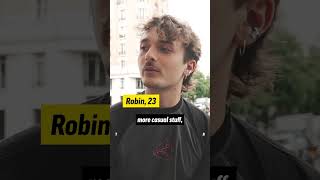
Studies claim that young French people are no longer interested in s3x. So, we took to the streets of Paris to ask them directly! If you want to know more about France's so-called "s3x recession" check out our latest video on our channel. #society #entr_og #paris #france

Can a 1954 Fleta Handle a Beatles Classic?! 👀
·
· 0m39s
🎸☀️ Featured in our Summer Sale: https://www.siccasguitars.com/guitar/summer-sale/ Support our channel and become a SiccasGuitars Member with exclusive classical guitar nerd perks: https://www.youtube.com/channel/UCR39sLAZ5wS_vrMo4tRylHw/join ‾‾‾‾‾‾‾‾‾‾‾‾‾‾‾‾‾‾‾‾‾‾‾‾‾‾‾‾‾‾‾‾‾‾‾‾‾‾‾‾‾‾‾‾‾‾‾‾‾‾‾‾‾‾‾‾‾‾‾‾‾‾‾‾ Follows us on: ► Instagram: https://www.instagram.com/siccasguitars/ ► TikTok: https://www.tiktok.com/@siccasguitars ► Facebook: https://www.facebook.com/siccasguitars/ ► Twitter: https://twitter.com/siccasguitars WEBSITES: ► https://www.siccasmedia.com/ ► https://www.siccasguitars.com/ ► https://playsomethingcool.com/ NEWSLETTER: ► http://bit.ly/SiccasGuitars CONTACT US: ► info@siccasguitars.com ► 76137 Karlsruhe, Roonstr. 31, Germany ‾‾‾‾‾‾‾‾‾‾‾‾‾‾‾‾‾‾‾‾‾‾‾‾‾‾‾‾‾‾‾‾‾‾‾‾‾‾‾‾‾‾‾‾‾‾‾‾‾‾‾‾‾‾‾‾‾‾‾‾‾‾‾‾ ►►ANA VIDOVIC https://www.youtube.com/playlist?list=PLWOAHYyavpQhzY5wkpHE0_AGu72x7JjdN ►►J S BACH https://www.youtube.com/playlist?list=PLWOAHYyavpQiRD8C05bGImSEXp5KLpMSk ►► ALBUMS & CONCERTS https://www.youtube.com/playlist?list=PLWOAHYyavpQj1YvhqLIO5EGz9ikpYTc2m ‾‾‾‾‾‾‾‾‾‾‾‾‾‾‾‾‾‾‾‾‾‾‾‾‾‾‾‾‾‾‾‾‾‾‾‾‾‾‾‾‾‾‾‾‾‾‾‾‾‾‾‾‾‾‾‾‾‾‾‾‾‾‾‾ Classical guitars are our passion! We are specialized in the highest quality concert guitars as well as historic guitars from around the world. Our passion for these unique instruments and the joy to give guitarists, passionate players, and collectors the possibility to purchase their own appropriate instrument is the motivation that drives us. Another focus is to work closely with established and young, largely unknown luthiers. Together we want to develop new ideas and share experiences with our customers. We also recorded pieces for many great composers such as Johann Sebastian Bach, Astor Piazzolla and Isaac Albeniz (Asturias). You will also find almost all the classical music composers that wrote for the classical guitar. Make sure to discover Agustin Barrios Mangoré, Manuel Maria Ponce, Heitor Villa-Lobos and many more if you don't know their compositions already You can find our showroom in 76137 Karlsruhe, Roonstr. 31, Germany ‾‾‾‾‾‾‾‾‾‾‾‾‾‾‾‾‾‾‾‾‾‾‾‾‾‾‾‾‾‾‾‾‾‾‾‾‾‾‾‾‾‾‾‾‾‾‾‾‾‾‾‾‾‾‾‾‾‾‾‾‾‾‾‾ #SiccasGuitars # # ‾‾‾‾‾‾‾‾‾‾‾‾‾‾‾‾‾‾‾‾‾‾‾‾‾‾‾‾‾‾‾‾‾‾‾‾‾‾‾‾‾‾‾‾‾‾‾‾‾‾‾‾‾‾‾‾‾‾‾‾‾‾‾‾ Lighted by Nyta: https://www.nyta.eu/en/

This Watch From the 70's Genius Design is Stuffed with Features
 ·
· 0m31s
·
· 0m31s
Seiko is incredible at design, they've packed this watch with features like a self-winding module and automatic chronograph with day and date. #watches #watchmaking #watchrepair

The Iconic Drumming Behind “Rusty Cage” | Soundgarden
 ·
·
Join us as Matt Cameron breaks down the drumming behind "Rusty Cage", one of Soundgarden’s biggest hits from the 'Badmotorfinger' album. Released in 1992 as the album’s third single, the song quickly became a fan favourite. In this session, Matt shares the story behind the track and how he crafted one of the most unforgettable drum parts of the ’90s. Learn How To Play "Rusty Cage" On The Drums! ► https://www.drumeo.com/trial-yt?vid=kVCDLqHpc6w Gear Breakdown: ► https://www.drumeo.com/beat/gear-breakdown-building-matt-camerons-kit/ Check out the microphones used in your favorite Drumeo videos (Earthworks x Musora) ► https://earthworksaudio.com/musora ___________________________ Chapters: 00:00 - Intro 00:21 - Recording 'Badmotorfinger' w/ Soundgarden 01:05 - How Matt Helped Chris Cornell Arrange The Song 01:27 - The Intro 02:08 - The Verse 02:56 - The Bridge 03:48 - The Outro 04:45 - Full Performance ___________________________ Follow Matt Cameron ►Instagram: https://www.instagram.com/themattcameron ►Facebook: https://www.facebook.com/mattcameronmusic Follow @DrumeoOfficial ►The Drumeo Beat: https://www.drumeo.com/beat ►Facebook: http://facebook.com/drumeo ►Instagram: http://instagram.com/drumeoofficial ►TikTok: https://www.tiktok.com/@drumeoofficial ___________________________ #Drumeo #MattCameron #Soundgarden #Yamaha #Remo #Zildjian #VicFirth
President Debono Interview
 ·
· 17m35s
·
· 17m35s
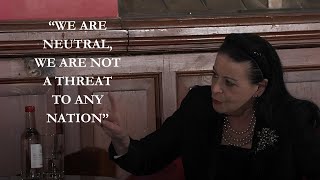
SUBSCRIBE for more speakers ► http://is.gd/OxfordUnion SUPPORT the Oxford Union ► https://oxford-union.org/supportus LICENSE Footage ► licensing@oxford-union.org Oxford Union on Facebook: https://www.facebook.com/theoxfordunion Oxford Union on Twitter: @OxfordUnion Website: http://www.oxford-union.org/ ABOUT THE OXFORD UNION SOCIETY: The Oxford Union is the world's most prestigious debating society, with an unparalleled reputation for bringing international guests and speakers to Oxford. Since 1823, the Union has been promoting debate and discussion not just in Oxford University, but across the globe. The Oxford Union is deeply grateful and encouraged by the messages of support in response to our determination to uphold free speech. During our 200 year history, many have tried to shut us down. As the effects of self-imposed censorship on university campuses, social media and the arts show no signs of dissipating, the importance of upholding free speech remains as critical today as it did when we were founded in 1823. Your support is critical in enabling The Oxford Union to continue its mission without interruption and without interference. You can support the Oxford Union here: https://oxford-union.org/supportus

President Debono Q&A
·
· 14m45s
SUBSCRIBE for more speakers ► http://is.gd/OxfordUnion SUPPORT the Oxford Union ► https://oxford-union.org/supportus LICENSE Footage ► licensing@oxford-union.org Oxford Union on Facebook: https://www.facebook.com/theoxfordunion Oxford Union on Twitter: @OxfordUnion Website: http://www.oxford-union.org/ ABOUT THE OXFORD UNION SOCIETY: The Oxford Union is the world's most prestigious debating society, with an unparalleled reputation for bringing international guests and speakers to Oxford. Since 1823, the Union has been promoting debate and discussion not just in Oxford University, but across the globe. The Oxford Union is deeply grateful and encouraged by the messages of support in response to our determination to uphold free speech. During our 200 year history, many have tried to shut us down. As the effects of self-imposed censorship on university campuses, social media and the arts show no signs of dissipating, the importance of upholding free speech remains as critical today as it did when we were founded in 1823. Your support is critical in enabling The Oxford Union to continue its mission without interruption and without interference. You can support the Oxford Union here: https://oxford-union.org/supportus

A Public School Crisis, Nuclear Reactor on the Moon, Return of a Confederate Statue | The Headlines
·
· 9m40s
Today’s top news stories, all in about 10 minutes. Listen every weekday morning, with insight and analysis from New York Times reporters all over the world. For more on this episode: https://www.nytimes.com/2025/08/05/podcasts/the-headlines/school-enrollment-nuclear-reactor-moon.html What we're covering: Public Schools Try to Sell Themselves as More Students Use Vouchers (http://nytimes.com/2025/08/05/us/public-school-enrollment-decline-vouchers.html) , by Dana Goldstein Trump’s Demand to Trading Partners: Pledge Money or Get Higher Tariffs (https://www.nytimes.com/2025/08/04/us/politics/trump-tariffs-foreign-investment.html) , by Alan Rappeport Trump Administration Will Reinstall Confederate Statue in Washington (https://www.nytimes.com/2025/08/04/us/politics/pike-confederate-statue-trump-dc.html) , by Chris Cameron A Nuclear Reactor on the Moon? Come Again? (https://www.nytimes.com/2025/08/04/science/nasa-moon-nuclear-reactor.html) , by Kenneth Chang Chemical Makers to Pay N.J. $875 Million to Settle ‘Forever Chemicals’ Claims (https://www.nytimes.com/2025/08/04/climate/new-jersey-pfas-settlement.html) , by Hiroko Tabuchi James Leprino, ‘Willy Wonka of Cheese’ Who Revolutionized Pizza, Dies at 87 (https://www.nytimes.com/2025/07/26/business/james-leprino-dead.html) , by Michael S. Rosenwald Tune in every weekday morning. To get our full audio journalism and storytelling experience, download (https://apps.apple.com/us/app/nyt-audio/id1549293936) the New York Times Audio app — available to Times news subscribers on iOS — and sign up (https://www.nytimes.com/newsletters/audio) for our weekly newsletter. Tell us what you think at: theheadlines@nytimes.com.

Roast potatoes 🥔 what fat wins
 ·
· 0m36s
·
· 0m36s

Exploring a closed down Italian musical instrument factory #urbex #musicalinstrument #exploring
 ·
· 1m0s
·
· 1m0s
Exploring what is left of a closed down Italian musical instrument factory with @Hainbach and @museodelsynthmarchigiano1717 #urbex #musicalinstrument #exploring

Remember Hiroshima and Nagasaki with quality history in the shadow of the Second US Nuclear War
 ·
· 32m37s
·
· 32m37s
Eighty years ago this month, on August 6th and 9th, 1945, the United States became the first and only nation to use nuclear weapons in warfare. The atomic bombings of Hiroshima and Nagasaki killed over 200,000 people, most of them civilians. Yet in the eight decades since, America has never officially apologized for these attacks. ✨Dive deep into history at https://jeffrich.substack.com ✨Buy Blood and Ruins: The Great Imperial War, 1931-1945 here https://amzn.to/3H6Lt4i V I D E O S T O W A T C H N E X T: Why do we fight wars and how can we prevent them? A top historian's view https://youtu.be/3tinp5jStqQ The Rise and Fall of Empires https://www.youtube.com/playlist?list=PLDQM15vyFoOShSanTBo8hJoGAzTQlzrnv ------------------------------------------------------------ Inquiries: jeff@theburningarchive.com

4.2 How do you talk about medications for Opioid Use Disorder? – Addiction Treatment Course
 ·
· 3m59s
·
· 3m59s
Language shapes how we understand and treat addiction. In this lesson, you’ll learn why outdated terms like “substitution therapy” or “clean” vs. “dirty” can reinforce stigma—and how to talk about medications for opioid use disorder (MOUD) in ways that reflect evidence-based practice. Discover why MOUD is not “just replacing one drug with another” and why relapse should never mean the end of care. 🎯 What You’ll Learn: - Explain why terms like "substitution therapy" and "medication-assisted treatment" are misleading - Describe the differences between addiction and physical dependence - Understand why MOUD should be considered first-line treatment - Identify harmful myths around relapse and treatment discontinuation - Apply non-stigmatizing language when discussing opioid use and recovery 📚 About the Course This course is designed with a singular goal: to improve the care you provide to your patients with substance use disorders. By delving into a model case performed by actors, seven Yale instructors from various fields provide techniques to screen your patients for substance use disorder risk, diagnose patients to gauge the severity of their use, directly manage treatment plans, refer out to treatment services, and navigate the various conditions that may limit your patient’s access to treatment. You will ultimately be prepared to provide compassionate and evidence-based care to a large population of patients living with addiction — a chronic, often relapsing-remitting disease, but a treatable one. This course is supported in part by SAMHSA of the U.S. Department of Health and Human Services (HHS) as part of financial assistance awards from grant #1H79FG000023 totaling $249,900 and grant #3H79TI081968-02S1 from SAMHSA totaling $1,354,651 with 100 percent funded by SAMHSA/HHS. The contents are those of the author(s) and do not necessarily represent the official views of, nor an endorsement by, SAMHSA/HHS, or the U.S. Government. Note: The content in this course is intended solely to inform and educate medical professionals. This site shall not be used for medical advice and is not a substitute for the advice or treatment of a qualified medical professional. 📺 Watch the full playlist on YouTube: https://www.youtube.com/playlist?list=PLh9mgdi4rNex7nrAmvXkuU6oFkh0LLdl6 🎓 Enroll on Coursera for assessments and a certificate: https://www.coursera.org/learn/addiction-treatment 🌐 Explore more learning opportunities on Yale Online: https://online.yale.edu/courses/addiction-treatment-healthcare-providers #AddictionTreatment #YaleUniversity #OnlineCourse #MedicalEducation #SubstanceUseDisorder #SUD #HealthcareTraining

5.4 What is the role of family in addiction treatment? – Addiction Treatment Course
·
· 7m19s
Is addiction a family disease? In this lesson, we explore how family dynamics influence recovery—and how loved ones can play an active role in the treatment process. You’ll learn about three family-focused strategies: the Johnson Intervention Model, 12-step programs like Al-Anon and Nar-Anon, and CRAFT (Community Reinforcement and Family Training). Discover which of these approaches has the strongest evidence for helping people enter treatment and improving family well-being. 🎯 What You’ll Learn: - Understand how addiction affects and is affected by family systems - Compare three family-based strategies: Johnson intervention, 12-step programs, and CRAFT - Identify which approach has the most robust evidence for improving outcomes - Learn how family members can set boundaries and support recovery without enabling - Recognize the emotional toll addiction takes on loved ones—and how they can heal too 📚 About the Course This course is designed with a singular goal: to improve the care you provide to your patients with substance use disorders. By delving into a model case performed by actors, seven Yale instructors from various fields provide techniques to screen your patients for substance use disorder risk, diagnose patients to gauge the severity of their use, directly manage treatment plans, refer out to treatment services, and navigate the various conditions that may limit your patient’s access to treatment. You will ultimately be prepared to provide compassionate and evidence-based care to a large population of patients living with addiction — a chronic, often relapsing-remitting disease, but a treatable one. This course is supported in part by SAMHSA of the U.S. Department of Health and Human Services (HHS) as part of financial assistance awards from grant #1H79FG000023 totaling $249,900 and grant #3H79TI081968-02S1 from SAMHSA totaling $1,354,651 with 100 percent funded by SAMHSA/HHS. The contents are those of the author(s) and do not necessarily represent the official views of, nor an endorsement by, SAMHSA/HHS, or the U.S. Government. Note: The content in this course is intended solely to inform and educate medical professionals. This site shall not be used for medical advice and is not a substitute for the advice or treatment of a qualified medical professional. 📺 Watch the full playlist on YouTube: https://www.youtube.com/playlist?list=PLh9mgdi4rNex7nrAmvXkuU6oFkh0LLdl6 🎓 Enroll on Coursera for assessments and a certificate: https://www.coursera.org/learn/addiction-treatment 🌐 Explore more learning opportunities on Yale Online: https://online.yale.edu/courses/addiction-treatment-healthcare-providers #AddictionTreatment #YaleUniversity #OnlineCourse #MedicalEducation #SubstanceUseDisorder #SUD #HealthcareTraining

3.4 What treatment settings are available? – Addiction Treatment Course
·
· 11m13s
When we think of addiction treatment, we often picture rehab or 12-step meetings—but that’s only part of the picture. This lesson explores the full spectrum of treatment settings, from peer support groups and outpatient visits to intensive residential and inpatient care. Learn how treatment is matched to a patient’s severity of illness, available supports, and recovery goals. Understanding these levels helps providers and patients choose the right care at the right time. 🎯 What You’ll Learn: - Recognize the full range of addiction treatment settings and their intensity levels - Distinguish between peer support, outpatient, intensive outpatient, residential, and inpatient care - Understand how patient acuity and support systems guide treatment placement - Identify the roles of multidisciplinary teams across settings - Appreciate the value of matching care to a patient's evolving clinical needs and recovery goals 📚 About the Course This course is designed with a singular goal: to improve the care you provide to your patients with substance use disorders. By delving into a model case performed by actors, seven Yale instructors from various fields provide techniques to screen your patients for substance use disorder risk, diagnose patients to gauge the severity of their use, directly manage treatment plans, refer out to treatment services, and navigate the various conditions that may limit your patient’s access to treatment. You will ultimately be prepared to provide compassionate and evidence-based care to a large population of patients living with addiction — a chronic, often relapsing-remitting disease, but a treatable one. This course is supported in part by SAMHSA of the U.S. Department of Health and Human Services (HHS) as part of financial assistance awards from grant #1H79FG000023 totaling $249,900 and grant #3H79TI081968-02S1 from SAMHSA totaling $1,354,651 with 100 percent funded by SAMHSA/HHS. The contents are those of the author(s) and do not necessarily represent the official views of, nor an endorsement by, SAMHSA/HHS, or the U.S. Government. Note: The content in this course is intended solely to inform and educate medical professionals. This site shall not be used for medical advice and is not a substitute for the advice or treatment of a qualified medical professional. 📺 Watch the full playlist on YouTube: https://www.youtube.com/playlist?list=PLh9mgdi4rNex7nrAmvXkuU6oFkh0LLdl6 🎓 Enroll on Coursera for assessments and a certificate: https://www.coursera.org/learn/addiction-treatment 🌐 Explore more learning opportunities on Yale Online: https://online.yale.edu/courses/addiction-treatment-healthcare-providers #AddictionTreatment #YaleUniversity #OnlineCourse #MedicalEducation #SubstanceUseDisorder #SUD #HealthcareTraining

3.2 How do you clarify treatment goals? – Addiction Treatment Course
·
· 10m54s
Is abstinence the only valid goal for addiction treatment? In this lesson, we explore four treatment goal categories—ranging from harm reduction to complete abstinence—and how to align care with what your patient is truly ready for. You’ll learn how to guide patients through the five stages of change using motivational interviewing tools like change rulers and action planning. Discover how to individualize care and support meaningful progress, even when the ultimate goal isn’t abstinence—yet. 🎯 What You’ll Learn: - Understand why treatment goals should be patient-defined, not provider-imposed - Identify four common goal categories: use with less harm, controlled use, conditional abstinence, and complete abstinence - Apply the five stages of change framework to substance use treatment - Use motivational interviewing strategies like change talk and change rulers - Develop collaborative action plans and prepare for setbacks - Promote harm reduction without losing sight of long-term recovery 📚 About the Course This course is designed with a singular goal: to improve the care you provide to your patients with substance use disorders. By delving into a model case performed by actors, seven Yale instructors from various fields provide techniques to screen your patients for substance use disorder risk, diagnose patients to gauge the severity of their use, directly manage treatment plans, refer out to treatment services, and navigate the various conditions that may limit your patient’s access to treatment. You will ultimately be prepared to provide compassionate and evidence-based care to a large population of patients living with addiction — a chronic, often relapsing-remitting disease, but a treatable one. This course is supported in part by SAMHSA of the U.S. Department of Health and Human Services (HHS) as part of financial assistance awards from grant #1H79FG000023 totaling $249,900 and grant #3H79TI081968-02S1 from SAMHSA totaling $1,354,651 with 100 percent funded by SAMHSA/HHS. The contents are those of the author(s) and do not necessarily represent the official views of, nor an endorsement by, SAMHSA/HHS, or the U.S. Government. Note: The content in this course is intended solely to inform and educate medical professionals. This site shall not be used for medical advice and is not a substitute for the advice or treatment of a qualified medical professional. 📺 Watch the full playlist on YouTube: https://www.youtube.com/playlist?list=PLh9mgdi4rNex7nrAmvXkuU6oFkh0LLdl6 🎓 Enroll on Coursera for assessments and a certificate: https://www.coursera.org/learn/addiction-treatment 🌐 Explore more learning opportunities on Yale Online: https://online.yale.edu/courses/addiction-treatment-healthcare-providers #AddictionTreatment #YaleUniversity #OnlineCourse #MedicalEducation #SubstanceUseDisorder #SUD #HealthcareTraining
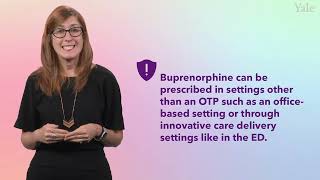
4.3 What medications are available for Opioid Use Disorder? – Addiction Treatment Course
·
· 17m0s
Prescribing medications for opioid use disorder can be life-changing—and it’s more straightforward than many providers think. In this video, you'll learn how three FDA-approved medications—methadone, buprenorphine, and naltrexone—help patients reduce cravings, avoid withdrawal, and rebuild their lives. Through clear analogies and evidence-based insights, this lesson demystifies the science behind each medication and offers practical guidance for clinicians. 🎯 What you'll learn - Understand how methadone, buprenorphine, and naltrexone interact with the mu opioid receptor - Compare the mechanisms of action: full agonist, partial agonist, and antagonist - Identify the benefits, risks, and administration requirements of each medication - Recognize treatment considerations including dosing, side effects, and duration of therapy - Explain the role of naloxone (Narcan) in reducing overdose risk 📚 About the Course This course is designed with a singular goal: to improve the care you provide to your patients with substance use disorders. By delving into a model case performed by actors, seven Yale instructors from various fields provide techniques to screen your patients for substance use disorder risk, diagnose patients to gauge the severity of their use, directly manage treatment plans, refer out to treatment services, and navigate the various conditions that may limit your patient’s access to treatment. You will ultimately be prepared to provide compassionate and evidence-based care to a large population of patients living with addiction — a chronic, often relapsing-remitting disease, but a treatable one. This course is supported in part by SAMHSA of the U.S. Department of Health and Human Services (HHS) as part of financial assistance awards from grant #1H79FG000023 totaling $249,900 and grant #3H79TI081968-02S1 from SAMHSA totaling $1,354,651 with 100 percent funded by SAMHSA/HHS. The contents are those of the author(s) and do not necessarily represent the official views of, nor an endorsement by, SAMHSA/HHS, or the U.S. Government. Note: The content in this course is intended solely to inform and educate medical professionals. This site shall not be used for medical advice and is not a substitute for the advice or treatment of a qualified medical professional. 📺 Watch the full playlist on YouTube: https://www.youtube.com/playlist?list=PLh9mgdi4rNex7nrAmvXkuU6oFkh0LLdl6 🎓 Enroll on Coursera for assessments and a certificate: https://www.coursera.org/learn/addiction-treatment 🌐 Explore more learning opportunities on Yale Online: https://online.yale.edu/courses/addiction-treatment-healthcare-providers #AddictionTreatment #YaleUniversity #OnlineCourse #MedicalEducation #SubstanceUseDisorder #SUD #HealthcareTraining
4.5 What Medications Are Available for Nicotine Use Disorder? – Addiction Treatment Course
·
· 8m53s
What treatments actually help people quit smoking—and why aren’t more people using them? This video breaks down the seven FDA-approved medications for smoking cessation, including nicotine replacement therapies (NRTs), bupropion, and varenicline. You’ll learn how to choose the right option for each patient based on their needs, smoking habits, and health conditions. We'll also dispel common misconceptions and explore how medication—combined with counseling—can double the chances of quitting successfully. 🎯 What You’ll Learn: - Identify the seven FDA-approved pharmacotherapies for nicotine use disorder - Understand dosing and administration for nicotine patches, gum, lozenges, inhalers, and sprays - Compare mechanisms of action and contraindications for bupropion and varenicline - Evaluate which medications are most effective as monotherapy or in combination - Recognize the importance of combining pharmacotherapy with behavioral support 📚 About the Course This course is designed with a singular goal: to improve the care you provide to your patients with substance use disorders. By delving into a model case performed by actors, seven Yale instructors from various fields provide techniques to screen your patients for substance use disorder risk, diagnose patients to gauge the severity of their use, directly manage treatment plans, refer out to treatment services, and navigate the various conditions that may limit your patient’s access to treatment. You will ultimately be prepared to provide compassionate and evidence-based care to a large population of patients living with addiction — a chronic, often relapsing-remitting disease, but a treatable one. This course is supported in part by SAMHSA of the U.S. Department of Health and Human Services (HHS) as part of financial assistance awards from grant #1H79FG000023 totaling $249,900 and grant #3H79TI081968-02S1 from SAMHSA totaling $1,354,651 with 100 percent funded by SAMHSA/HHS. The contents are those of the author(s) and do not necessarily represent the official views of, nor an endorsement by, SAMHSA/HHS, or the U.S. Government. Note: The content in this course is intended solely to inform and educate medical professionals. This site shall not be used for medical advice and is not a substitute for the advice or treatment of a qualified medical professional. 📺 Watch the full playlist on YouTube: https://www.youtube.com/playlist?list=PLh9mgdi4rNex7nrAmvXkuU6oFkh0LLdl6 🎓 Enroll on Coursera for assessments and a certificate: https://www.coursera.org/learn/addiction-treatment 🌐 Explore more learning opportunities on Yale Online: https://online.yale.edu/courses/addiction-treatment-healthcare-providers #AddictionTreatment #YaleUniversity #OnlineCourse #MedicalEducation #SubstanceUseDisorder #SUD #HealthcareTraining
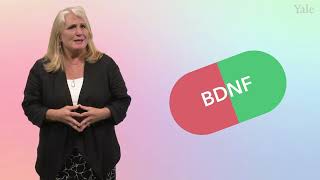
5.1 What Is the Basic Neurobiology of Recovery? – Addiction Treatment Course
·
· 8m30s
How does the brain heal from addiction? This lesson explores the remarkable concept of neuroplasticity and how lifestyle changes, therapy, and social support help rewire the brain’s reward, memory, and emotional systems. You’ll learn about the role of the prefrontal cortex, hippocampus, and amygdala in recovery—and how patients can strengthen these areas with evidence-based practices. We also introduce BDNF, a protein that supports brain healing, and walk through specific activities that help patients grow new, healthier pathways. 🎯 What You’ll Learn: - Explain how addiction hijacks the brain’s reward system - Describe how neuroplasticity supports recovery across the lifespan - Identify the role of the prefrontal cortex, hippocampus, and amygdala in recovery - Understand the function of brain-derived neurotrophic factor (BDNF) - Recommend lifestyle practices that strengthen neural pathways and reduce relapse risk 📚 About the Course This course is designed with a singular goal: to improve the care you provide to your patients with substance use disorders. By delving into a model case performed by actors, seven Yale instructors from various fields provide techniques to screen your patients for substance use disorder risk, diagnose patients to gauge the severity of their use, directly manage treatment plans, refer out to treatment services, and navigate the various conditions that may limit your patient’s access to treatment. You will ultimately be prepared to provide compassionate and evidence-based care to a large population of patients living with addiction — a chronic, often relapsing-remitting disease, but a treatable one. This course is supported in part by SAMHSA of the U.S. Department of Health and Human Services (HHS) as part of financial assistance awards from grant #1H79FG000023 totaling $249,900 and grant #3H79TI081968-02S1 from SAMHSA totaling $1,354,651 with 100 percent funded by SAMHSA/HHS. The contents are those of the author(s) and do not necessarily represent the official views of, nor an endorsement by, SAMHSA/HHS, or the U.S. Government. Note: The content in this course is intended solely to inform and educate medical professionals. This site shall not be used for medical advice and is not a substitute for the advice or treatment of a qualified medical professional. 📺 Watch the full playlist on YouTube: https://www.youtube.com/playlist?list=PLh9mgdi4rNex7nrAmvXkuU6oFkh0LLdl6 🎓 Enroll on Coursera for assessments and a certificate: https://www.coursera.org/learn/addiction-treatment 🌐 Explore more learning opportunities on Yale Online: https://online.yale.edu/courses/addiction-treatment-healthcare-providers #AddictionTreatment #YaleUniversity #OnlineCourse #MedicalEducation #SubstanceUseDisorder #SUD #HealthcareTraining

4.6 How Do You Monitor Treatment? – Addiction Treatment Course
·
· 9m58s
How can you tell if a treatment is working? In this lesson, you'll learn how to monitor progress in addiction care using drug toxicology and patient engagement. We break down the pros and cons of different testing methods (urine, saliva, blood, and more), the risk of false positives, and how to interpret results alongside patient self-report. Most importantly, we discuss how to use drug testing not as a punishment—but as a therapeutic tool that fosters open, honest conversation with your patients. 🎯 What You’ll Learn: - Understand the role of drug testing in addiction treatment monitoring - Compare different drug test matrices and their use cases (urine, saliva, blood, hair, sweat) - Recognize the limitations and potential false positives of toxicology screening - Learn how to integrate test results with patient self-report and clinical context - Use drug testing as a non-punitive, engagement-focused approach in ongoing care 📚 About the Course This course is designed with a singular goal: to improve the care you provide to your patients with substance use disorders. By delving into a model case performed by actors, seven Yale instructors from various fields provide techniques to screen your patients for substance use disorder risk, diagnose patients to gauge the severity of their use, directly manage treatment plans, refer out to treatment services, and navigate the various conditions that may limit your patient’s access to treatment. You will ultimately be prepared to provide compassionate and evidence-based care to a large population of patients living with addiction — a chronic, often relapsing-remitting disease, but a treatable one. This course is supported in part by SAMHSA of the U.S. Department of Health and Human Services (HHS) as part of financial assistance awards from grant #1H79FG000023 totaling $249,900 and grant #3H79TI081968-02S1 from SAMHSA totaling $1,354,651 with 100 percent funded by SAMHSA/HHS. The contents are those of the author(s) and do not necessarily represent the official views of, nor an endorsement by, SAMHSA/HHS, or the U.S. Government. Note: The content in this course is intended solely to inform and educate medical professionals. This site shall not be used for medical advice and is not a substitute for the advice or treatment of a qualified medical professional. 📺 Watch the full playlist on YouTube: https://www.youtube.com/playlist?list=PLh9mgdi4rNex7nrAmvXkuU6oFkh0LLdl6 🎓 Enroll on Coursera for assessments and a certificate: https://www.coursera.org/learn/addiction-treatment 🌐 Explore more learning opportunities on Yale Online: https://online.yale.edu/courses/addiction-treatment-healthcare-providers #AddictionTreatment #YaleUniversity #OnlineCourse #MedicalEducation #SubstanceUseDisorder #SUD #HealthcareTraining
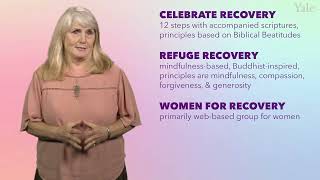
5.2 What Are Common Self-Help and Mutual-Support Approaches? – Addiction Treatment Course
·
· 10m2s
Many people begin their recovery journey without formal treatment—some on their own, others with peer support. In this lesson, you’ll explore the full spectrum of self-help and mutual-support options, from natural recovery to peer-led groups like AA, SMART Recovery, Celebrate Recovery, Refuge Recovery, Women for Sobriety, and Wellbriety. Drawing on both research and clinical wisdom, the instructor shares practical tips, a resource list, and personal insights to help providers guide patients toward options that best match their needs, beliefs, and communities. 🎯 What You'll Learn By the end of this lesson, you will be able to: - Define self-help, mutual-support, and natural recovery approaches - Describe key models including AA, SMART Recovery, Celebrate Recovery, and Refuge Recovery - Understand population-specific groups such as Women for Sobriety and Wellbriety - Identify the role of recovery capital in self-directed change - Recognize how peer support fosters motivation, hope, and connection - Offer practical guidance to patients hesitant about group participation - Reflect on the value of visiting peer groups to better inform your clinical practice 📚 About the Course This course is designed with a singular goal: to improve the care you provide to your patients with substance use disorders. By delving into a model case performed by actors, seven Yale instructors from various fields provide techniques to screen your patients for substance use disorder risk, diagnose patients to gauge the severity of their use, directly manage treatment plans, refer out to treatment services, and navigate the various conditions that may limit your patient’s access to treatment. You will ultimately be prepared to provide compassionate and evidence-based care to a large population of patients living with addiction — a chronic, often relapsing-remitting disease, but a treatable one. This course is supported in part by SAMHSA of the U.S. Department of Health and Human Services (HHS) as part of financial assistance awards from grant #1H79FG000023 totaling $249,900 and grant #3H79TI081968-02S1 from SAMHSA totaling $1,354,651 with 100 percent funded by SAMHSA/HHS. The contents are those of the author(s) and do not necessarily represent the official views of, nor an endorsement by, SAMHSA/HHS, or the U.S. Government. Note: The content in this course is intended solely to inform and educate medical professionals. This site shall not be used for medical advice and is not a substitute for the advice or treatment of a qualified medical professional. 📺 Watch the full playlist on YouTube: https://www.youtube.com/playlist?list=PLh9mgdi4rNex7nrAmvXkuU6oFkh0LLdl6 🎓 Enroll on Coursera for assessments and a certificate: https://www.coursera.org/learn/addiction-treatment 🌐 Explore more learning opportunities on Yale Online: https://online.yale.edu/courses/addiction-treatment-healthcare-providers #AddictionTreatment #YaleUniversity #OnlineCourse #MedicalEducation #SubstanceUseDisorder #SUD #HealthcareTraining

6.4 How Do You Find Quality Treatment in a Broken System? – Addiction Treatment Course
·
· 7m56s
Navigating the addiction treatment landscape can feel overwhelming, especially given the broken system in the U.S. This lesson uncovers how to find quality care despite these challenges. Learn the three-step process to identify feasible and effective treatment options, plus the five key signs that indicate quality addiction treatment programs. Whether you’re a healthcare provider or someone seeking help, this video offers practical tools to guide patients toward evidence-based, accredited, and supportive treatment pathways. 🎯 What You’ll Learn: - Understand why the U.S. addiction treatment system is fragmented and often inadequate. - Learn the three essential steps to finding quality treatment options, including understanding insurance, evaluating quality, and timely access. - Identify five critical signs of quality addiction treatment programs: accreditation, medication availability, evidence-based practices, family involvement, and ongoing support. - Gain tools to help patients and loved ones discern trustworthy treatment providers. - Recognize the importance of rapid entry into treatment to maximize patient motivation. 📚 About the Course This course is designed with a singular goal: to improve the care you provide to your patients with substance use disorders. By delving into a model case performed by actors, seven Yale instructors from various fields provide techniques to screen your patients for substance use disorder risk, diagnose patients to gauge the severity of their use, directly manage treatment plans, refer out to treatment services, and navigate the various conditions that may limit your patient’s access to treatment. You will ultimately be prepared to provide compassionate and evidence-based care to a large population of patients living with addiction — a chronic, often relapsing-remitting disease, but a treatable one. This course is supported in part by SAMHSA of the U.S. Department of Health and Human Services (HHS) as part of financial assistance awards from grant #1H79FG000023 totaling $249,900 and grant #3H79TI081968-02S1 from SAMHSA totaling $1,354,651 with 100 percent funded by SAMHSA/HHS. The contents are those of the author(s) and do not necessarily represent the official views of, nor an endorsement by, SAMHSA/HHS, or the U.S. Government. Note: The content in this course is intended solely to inform and educate medical professionals. This site shall not be used for medical advice and is not a substitute for the advice or treatment of a qualified medical professional. 📺 Watch the full playlist on YouTube: https://www.youtube.com/playlist?list=PLh9mgdi4rNex7nrAmvXkuU6oFkh0LLdl6 🎓 Enroll on Coursera for assessments and a certificate: https://www.coursera.org/learn/addiction-treatment 🌐 Explore more learning opportunities on Yale Online: https://online.yale.edu/courses/addiction-treatment-healthcare-providers #AddictionTreatment #YaleUniversity #OnlineCourse #MedicalEducation #SubstanceUseDisorder #SUD #HealthcareTraining
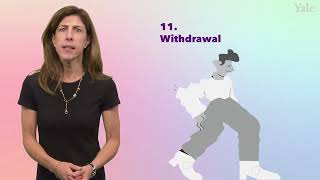
2.4 How do you diagnose a substance use disorder? – Addiction Treatment Course
·
· 7m40s
-bWhat counts as a substance use disorder—and how do providers make an accurate diagnosis without relying on personal judgment? In this video, you'll learn the 11 DSM-5 criteria used to diagnose substance use disorders and understand how to classify the severity as mild, moderate, or severe. You'll also discover the “Three Cs” of addiction, and why frequency of use doesn't always equal disordered use. 🎯 What You’ll Learn: - Identify the 11 DSM-5 criteria for diagnosing a substance use disorder - Differentiate between mild, moderate, and severe substance use disorders - Understand the significance of cravings, tolerance, and withdrawal - Learn why quantity and frequency of use are not part of diagnostic criteria - Apply the “Three Cs” framework to recognize signs of addiction 📚 About the Course This course is designed with a singular goal: to improve the care you provide to your patients with substance use disorders. By delving into a model case performed by actors, seven Yale instructors from various fields provide techniques to screen your patients for substance use disorder risk, diagnose patients to gauge the severity of their use, directly manage treatment plans, refer out to treatment services, and navigate the various conditions that may limit your patient’s access to treatment. You will ultimately be prepared to provide compassionate and evidence-based care to a large population of patients living with addiction — a chronic, often relapsing-remitting disease, but a treatable one. This course is supported in part by SAMHSA of the U.S. Department of Health and Human Services (HHS) as part of financial assistance awards from grant #1H79FG000023 totaling $249,900 and grant #3H79TI081968-02S1 from SAMHSA totaling $1,354,651 with 100 percent funded by SAMHSA/HHS. The contents are those of the author(s) and do not necessarily represent the official views of, nor an endorsement by, SAMHSA/HHS, or the U.S. Government. Note: The content in this course is intended solely to inform and educate medical professionals. This site shall not be used for medical advice and is not a substitute for the advice or treatment of a qualified medical professional. 📺 Watch the full playlist on YouTube: https://www.youtube.com/playlist?list=PLh9mgdi4rNex7nrAmvXkuU6oFkh0LLdl6 🎓 Enroll on Coursera for assessments and a certificate: https://www.coursera.org/learn/addiction-treatment 🌐 Explore more learning opportunities on Yale Online: https://online.yale.edu/courses/addiction-treatment-healthcare-providers #AddictionTreatment #YaleUniversity #OnlineCourse #MedicalEducation #SubstanceUseDisorder #SUD #HealthcareTraining

6.2 What can we learn from the past? – Addiction Treatment Course
·
· 10m3s
This lesson examines how history reveals cycles of substance use disorders, focusing on alcohol and opioids — the oldest psychoactive drugs. It highlights repeated mistakes made when society forgets lessons from the past, especially the unintended and often destructive consequences of public policies. From ancient brewing practices and early medicinal uses to Prohibition, the Harrison Narcotic Act, and three waves of opioid crises in the U.S., this lesson shows why learning from history is essential to crafting effective, evidence-based addiction treatment and public health strategies today. 🎯 What You’ll Learn: - Understand the historical significance of alcohol and opioids in human society - Trace key policy shifts from temperance and Prohibition to narcotic regulation and criminalization - Identify the three waves of opioid crises in the U.S. since the Civil War and their impacts - Recognize how public health and criminal justice responses shaped addiction treatment access - Learn why ignoring history risks repeating harmful mistakes and worsening health inequities - Appreciate the need for aggressive, evidence-based approaches to treat addiction and support recovery 📚 About the Course This course is designed with a singular goal: to improve the care you provide to your patients with substance use disorders. By delving into a model case performed by actors, seven Yale instructors from various fields provide techniques to screen your patients for substance use disorder risk, diagnose patients to gauge the severity of their use, directly manage treatment plans, refer out to treatment services, and navigate the various conditions that may limit your patient’s access to treatment. You will ultimately be prepared to provide compassionate and evidence-based care to a large population of patients living with addiction — a chronic, often relapsing-remitting disease, but a treatable one. This course is supported in part by SAMHSA of the U.S. Department of Health and Human Services (HHS) as part of financial assistance awards from grant #1H79FG000023 totaling $249,900 and grant #3H79TI081968-02S1 from SAMHSA totaling $1,354,651 with 100 percent funded by SAMHSA/HHS. The contents are those of the author(s) and do not necessarily represent the official views of, nor an endorsement by, SAMHSA/HHS, or the U.S. Government. Note: The content in this course is intended solely to inform and educate medical professionals. This site shall not be used for medical advice and is not a substitute for the advice or treatment of a qualified medical professional. 📺 Watch the full playlist on YouTube: https://www.youtube.com/playlist?list=PLh9mgdi4rNex7nrAmvXkuU6oFkh0LLdl6 🎓 Enroll on Coursera for assessments and a certificate: https://www.coursera.org/learn/addiction-treatment 🌐 Explore more learning opportunities on Yale Online: https://online.yale.edu/courses/addiction-treatment-healthcare-providers #AddictionTreatment #YaleUniversity #OnlineCourse #MedicalEducation #SubstanceUseDisorder #SUD #HealthcareTraining

2.3 How do you conduct a brief intervention? - Addiction Treatment Course
·
· 9m41s
Learn how to conduct a brief intervention using the SBIRT framework and motivational interviewing techniques. This lesson walks through a four-step process to help at-risk patients reduce harmful alcohol use—right from your primary care setting. 🎯 What You’ll Learn: - Understand the components of SBIRT: Screening, Brief Intervention, Referral to Treatment - Identify when brief interventions are appropriate - Apply the four steps of a brief intervention: raise the subject, provide feedback, enhance motivation, and negotiate goals 📚 About the Course This course is designed with a singular goal: to improve the care you provide to your patients with substance use disorders. By delving into a model case performed by actors, seven Yale instructors from various fields provide techniques to screen your patients for substance use disorder risk, diagnose patients to gauge the severity of their use, directly manage treatment plans, refer out to treatment services, and navigate the various conditions that may limit your patient’s access to treatment. You will ultimately be prepared to provide compassionate and evidence-based care to a large population of patients living with addiction — a chronic, often relapsing-remitting disease, but a treatable one. This course is supported in part by SAMHSA of the U.S. Department of Health and Human Services (HHS) as part of financial assistance awards from grant #1H79FG000023 totaling $249,900 and grant #3H79TI081968-02S1 from SAMHSA totaling $1,354,651 with 100 percent funded by SAMHSA/HHS. The contents are those of the author(s) and do not necessarily represent the official views of, nor an endorsement by, SAMHSA/HHS, or the U.S. Government. Note: The content in this course is intended solely to inform and educate medical professionals. This site shall not be used for medical advice and is not a substitute for the advice or treatment of a qualified medical professional. 📺 Watch the full playlist on YouTube: https://www.youtube.com/playlist?list=PLh9mgdi4rNex7nrAmvXkuU6oFkh0LLdl6 🎓 Enroll on Coursera for assessments and a certificate: https://www.coursera.org/learn/addiction-treatment 🌐 Explore more learning opportunities on Yale Online: https://online.yale.edu/courses/addiction-treatment-healthcare-providers #AddictionTreatment #YaleUniversity #OnlineCourse #MedicalEducation #SubstanceUseDisorder #SUD #HealthcareTraining

1.3 How do you have patient-centered conversations? – Addiction Treatment Course
·
· 10m52s
Why do people keep using substances even when they want to stop? This lesson introduces motivational interviewing, a proven technique for resolving ambivalence and inspiring change in patients with substance use disorders. Learn the five core principles that define the spirit of MI—like expressing empathy, avoiding confrontation, and supporting self-efficacy—and practice using the OARS framework: open-ended questions, affirmations, reflective listening, and summaries. Whether you’re a provider, counselor, or peer support worker, this approach will help your patients talk themselves into recovery—one conversation at a time. 🎯 What You’ll Learn: - Define ambivalence and explain its role in substance use disorders. - Describe the five guiding principles of motivational interviewing. - Recognize how “sustained talk” and “change talk” influence treatment outcomes. - Apply the OARS communication framework to patient interactions. - Demonstrate empathy, build rapport, and support patient self-efficacy using MI techniques. 📚 About the Course This course is designed with a singular goal: to improve the care you provide to your patients with substance use disorders. By delving into a model case performed by actors, seven Yale instructors from various fields provide techniques to screen your patients for substance use disorder risk, diagnose patients to gauge the severity of their use, directly manage treatment plans, refer out to treatment services, and navigate the various conditions that may limit your patient’s access to treatment. You will ultimately be prepared to provide compassionate and evidence-based care to a large population of patients living with addiction — a chronic, often relapsing-remitting disease, but a treatable one. This course is supported in part by SAMHSA of the U.S. Department of Health and Human Services (HHS) as part of financial assistance awards from grant #1H79FG000023 totaling $249,900 and grant #3H79TI081968-02S1 from SAMHSA totaling $1,354,651 with 100 percent funded by SAMHSA/HHS. The contents are those of the author(s) and do not necessarily represent the official views of, nor an endorsement by, SAMHSA/HHS, or the U.S. Government. Note: The content in this course is intended solely to inform and educate medical professionals. This site shall not be used for medical advice and is not a substitute for the advice or treatment of a qualified medical professional. 📺 Watch the full playlist on YouTube: https://www.youtube.com/playlist?list=PLh9mgdi4rNex7nrAmvXkuU6oFkh0LLdl6 🎓 Enroll on Coursera for assessments and a certificate: https://www.coursera.org/learn/addiction-treatment 🌐 Explore more learning opportunities on Yale Online: https://online.yale.edu/courses/addiction-treatment-healthcare-providers #AddictionTreatment #YaleUniversity #OnlineCourse #MedicalEducation #SubstanceUseDisorder #SUD #HealthcareTraining

1.2 How do you define addiction? – Addiction Treatment Course
·
· 9m15s
Is addiction a moral failing, a brain disease, or something else entirely? In this lesson, you’ll explore how different models of addiction—from moral to medical to biopsychosocial—shape treatment approaches and patient outcomes. Discover why a more nuanced understanding of addiction can reduce stigma and improve care. 🎯 What You’ll Learn: • Describe the evolution of addiction models, from moral to medical to biopsychosocial • Explain how each model influences language, stigma, and treatment practices • Articulate the rationale for using a biopsychosocial model in healthcare settings • Identify opportunities to reduce stigma by reframing how addiction is understood 📚 About the Course This course is designed with a singular goal: to improve the care you provide to your patients with substance use disorders. By delving into a model case performed by actors, seven Yale instructors from various fields provide techniques to screen your patients for substance use disorder risk, diagnose patients to gauge the severity of their use, directly manage treatment plans, refer out to treatment services, and navigate the various conditions that may limit your patient’s access to treatment. You will ultimately be prepared to provide compassionate and evidence-based care to a large population of patients living with addiction — a chronic, often relapsing-remitting disease, but a treatable one. This course is supported in part by SAMHSA of the U.S. Department of Health and Human Services (HHS) as part of financial assistance awards from grant #1H79FG000023 totaling $249,900 and grant #3H79TI081968-02S1 from SAMHSA totaling $1,354,651 with 100 percent funded by SAMHSA/HHS. The contents are those of the author(s) and do not necessarily represent the official views of, nor an endorsement by, SAMHSA/HHS, or the U.S. Government. Note: The content in this course is intended solely to inform and educate medical professionals. This site shall not be used for medical advice and is not a substitute for the advice or treatment of a qualified medical professional. 📺 Watch the full playlist on YouTube: https://www.youtube.com/playlist?list=PLh9mgdi4rNex7nrAmvXkuU6oFkh0LLdl6 🎓 Enroll on Coursera for assessments and a certificate: https://www.coursera.org/learn/addiction-treatment 🌐 Explore more learning opportunities on Yale Online: https://online.yale.edu/courses/addiction-treatment-healthcare-providers #AddictionTreatment #YaleUniversity #OnlineCourse #MedicalEducation #SubstanceUseDisorder #SUD #HealthcareTraining

6.3 Which policies and programs improve addiction treatment? – Addiction Treatment Course
·
· 12m0s
This lesson explores how addiction treatment systems have often been hindered by outdated policies that criminalize drug use rather than support recovery. It highlights evidence-based policies and programs that reduce harm, expand access to treatment, and prevent substance use disorders. Key topics include naloxone distribution to reverse overdoses, opioid agonist medications like methadone and buprenorphine, innovative delivery models such as mobile methadone services, and diversion programs that connect individuals to community support instead of incarceration. Prevention strategies such as school-based programs and family interventions are also discussed, emphasizing the importance of early, targeted approaches. 🎯 What You’ll Learn: - Understand the limitations of traditional addiction treatment systems and policies. - Describe harm reduction strategies, including community access to naloxone and opioid agonist treatments. - Recognize the benefits and challenges of medications like methadone and buprenorphine in opioid use disorder treatment. - Explain how regulatory and stigma barriers affect treatment accessibility and how these might be overcome. - Identify innovative treatment delivery methods, including mobile services and expanded community-based programs. - Discuss diversion programs and drug decriminalization efforts as alternatives to incarceration. - Summarize evidence-based prevention programs such as Preventure and the Good Behavior Game. - Appreciate the role of family-based interventions in preventing substance use disorders. 📚 About the Course This course is designed with a singular goal: to improve the care you provide to your patients with substance use disorders. By delving into a model case performed by actors, seven Yale instructors from various fields provide techniques to screen your patients for substance use disorder risk, diagnose patients to gauge the severity of their use, directly manage treatment plans, refer out to treatment services, and navigate the various conditions that may limit your patient’s access to treatment. You will ultimately be prepared to provide compassionate and evidence-based care to a large population of patients living with addiction — a chronic, often relapsing-remitting disease, but a treatable one. This course is supported in part by SAMHSA of the U.S. Department of Health and Human Services (HHS) as part of financial assistance awards from grant #1H79FG000023 totaling $249,900 and grant #3H79TI081968-02S1 from SAMHSA totaling $1,354,651 with 100 percent funded by SAMHSA/HHS. The contents are those of the author(s) and do not necessarily represent the official views of, nor an endorsement by, SAMHSA/HHS, or the U.S. Government. Note: The content in this course is intended solely to inform and educate medical professionals. This site shall not be used for medical advice and is not a substitute for the advice or treatment of a qualified medical professional. 📺 Watch the full playlist on YouTube: https://www.youtube.com/playlist?list=PLh9mgdi4rNex7nrAmvXkuU6oFkh0LLdl6 🎓 Enroll on Coursera for assessments and a certificate: https://www.coursera.org/learn/addiction-treatment 🌐 Explore more learning opportunities on Yale Online: https://online.yale.edu/courses/addiction-treatment-healthcare-providers #AddictionTreatment #YaleUniversity #OnlineCourse #MedicalEducation #SubstanceUseDisorder #SUD #HealthcareTraining

1.1 How do you talk about addiction? – Addiction Treatment Course
·
· 7m39s
Why do we say “addict” for substance users but not “sugar abuser” for those with diabetes? Why does language matter so much in addiction care? In this first lesson, you’ll explore how everyday language choices—by healthcare providers, the media, and even patients—can either reinforce stigma or build trust. Learn how to talk about addiction in ways that support compassionate care. 🎯 What You’ll Learn • Explain how language influences stigma in addiction treatment • Recognize how stigmatizing terms show up in medical settings and everyday speech • Reframe common phrases to support a person-first approach to care • Reflect on how your own language habits may impact your patients' trust and outcomes 📚 About the Course This course is designed with a singular goal: to improve the care you provide to your patients with substance use disorders. By delving into a model case performed by actors, seven Yale instructors from various fields provide techniques to screen your patients for substance use disorder risk, diagnose patients to gauge the severity of their use, directly manage treatment plans, refer out to treatment services, and navigate the various conditions that may limit your patient’s access to treatment. You will ultimately be prepared to provide compassionate and evidence-based care to a large population of patients living with addiction — a chronic, often relapsing-remitting disease, but a treatable one. This course is supported in part by SAMHSA of the U.S. Department of Health and Human Services (HHS) as part of financial assistance awards from grant #1H79FG000023 totaling $249,900 and grant #3H79TI081968-02S1 from SAMHSA totaling $1,354,651 with 100 percent funded by SAMHSA/HHS. The contents are those of the author(s) and do not necessarily represent the official views of, nor an endorsement by, SAMHSA/HHS, or the U.S. Government. Note: The content in this course is intended solely to inform and educate medical professionals. This site shall not be used for medical advice and is not a substitute for the advice or treatment of a qualified medical professional. 📺 Watch the full playlist on YouTube: https://www.youtube.com/playlist?list=PLh9mgdi4rNex7nrAmvXkuU6oFkh0LLdl6 🎓 Enroll on Coursera for assessments and a certificate: https://www.coursera.org/learn/addiction-treatment 🌐 Explore more learning opportunities on Yale Online: https://online.yale.edu/courses/addiction-treatment-healthcare-providers #AddictionTreatment #YaleUniversity #OnlineCourse #MedicalEducation #SubstanceUseDisorder #SUD #HealthcareTraining
3.3 What is the stepped care model? – Addiction Treatment Course
·
· 1m58s
Addiction care is evolving. In this short lesson, learn how the stepped care model improves access and outcomes by integrating primary care into the addiction treatment system. Instead of relying solely on specialty care, stepped care matches treatment intensity to patient needs—starting with the least restrictive option and adjusting based on response. Discover how this approach breaks down barriers like stigma, cost, and access, while promoting more coordinated and continuous care. 🎯 What You’ll Learn: - Understand the limitations of a specialty-care-only approach to addiction treatment - Define the stepped care model and how it addresses common access barriers - Identify the role of primary care and family providers in addiction care Explain how treatment intensity is matched to patient needs - Recognize the benefits of starting with the least restrictive care and adjusting over time 📚 About the Course This course is designed with a singular goal: to improve the care you provide to your patients with substance use disorders. By delving into a model case performed by actors, seven Yale instructors from various fields provide techniques to screen your patients for substance use disorder risk, diagnose patients to gauge the severity of their use, directly manage treatment plans, refer out to treatment services, and navigate the various conditions that may limit your patient’s access to treatment. You will ultimately be prepared to provide compassionate and evidence-based care to a large population of patients living with addiction — a chronic, often relapsing-remitting disease, but a treatable one. This course is supported in part by SAMHSA of the U.S. Department of Health and Human Services (HHS) as part of financial assistance awards from grant #1H79FG000023 totaling $249,900 and grant #3H79TI081968-02S1 from SAMHSA totaling $1,354,651 with 100 percent funded by SAMHSA/HHS. The contents are those of the author(s) and do not necessarily represent the official views of, nor an endorsement by, SAMHSA/HHS, or the U.S. Government. Note: The content in this course is intended solely to inform and educate medical professionals. This site shall not be used for medical advice and is not a substitute for the advice or treatment of a qualified medical professional. 📺 Watch the full playlist on YouTube: https://www.youtube.com/playlist?list=PLh9mgdi4rNex7nrAmvXkuU6oFkh0LLdl6 🎓 Enroll on Coursera for assessments and a certificate: https://www.coursera.org/learn/addiction-treatment 🌐 Explore more learning opportunities on Yale Online: https://online.yale.edu/courses/addiction-treatment-healthcare-providers #AddictionTreatment #YaleUniversity #OnlineCourse #MedicalEducation #SubstanceUseDisorder #SUD #HealthcareTraining

1.0 What you will learn in Module 1– Addiction Treatment Course
·
· 2m50s
Why should healthcare providers care about addiction? This powerful opening lesson invites you to experience what craving feels like, using a simple breath-holding exercise as a window into the urgency and desperation of substance use disorders. You'll also get a preview of what’s ahead in the course, including evidence-based approaches to treating addiction with empathy and skill. 🎯 What You’ll Learn - Recognize how craving drives compulsive behavior in addiction - Reflect on the role of empathy in treating substance use disorders - Preview upcoming lessons on stigma reduction, motivational interviewing, and clinical reframing - Set the foundation for a compassionate, evidence-informed treatment mindset 📚 About the Course This course is designed with a singular goal: to improve the care you provide to your patients with substance use disorders. By delving into a model case performed by actors, seven Yale instructors from various fields provide techniques to screen your patients for substance use disorder risk, diagnose patients to gauge the severity of their use, directly manage treatment plans, refer out to treatment services, and navigate the various conditions that may limit your patient’s access to treatment. You will ultimately be prepared to provide compassionate and evidence-based care to a large population of patients living with addiction — a chronic, often relapsing-remitting disease, but a treatable one. This course is supported in part by SAMHSA of the U.S. Department of Health and Human Services (HHS) as part of financial assistance awards from grant #1H79FG000023 totaling $249,900 and grant #3H79TI081968-02S1 from SAMHSA totaling $1,354,651 with 100 percent funded by SAMHSA/HHS. The contents are those of the author(s) and do not necessarily represent the official views of, nor an endorsement by, SAMHSA/HHS, or the U.S. Government. Note: The content in this course is intended solely to inform and educate medical professionals. This site shall not be used for medical advice and is not a substitute for the advice or treatment of a qualified medical professional. 📺 Watch the full playlist on YouTube: https://www.youtube.com/playlist?list=PLh9mgdi4rNex7nrAmvXkuU6oFkh0LLdl6 🎓 Enroll on Coursera for assessments and a certificate: https://www.coursera.org/learn/addiction-treatment 🌐 Explore more learning opportunities on Yale Online: https://online.yale.edu/courses/addiction-treatment-healthcare-providers #AddictionTreatment #YaleUniversity #OnlineCourse #MedicalEducation #SubstanceUseDisorder #SUD #HealthcareTraining

2.1 How do you screen to determine risk? - Addiction Treatment Course
·
· 10m17s
Learn how to screen patients for substance use, including how to identify risky patterns with alcohol, tobacco, and other drugs. This lesson walks through simple, effective questions you can ask to determine whether your patient is at no, low, at-risk, or high-risk for a substance use disorder. 🎯 What You’ll Learn: - Understand how to screen for tobacco, alcohol, and drug use - Distinguish between moderate, binge, and heavy drinking - Interpret positive screens and determine next steps - Classify patients into risk categories for substance use - Recognize when to intervene or refer to treatment 📚 About the Course This course is designed with a singular goal: to improve the care you provide to your patients with substance use disorders. By delving into a model case performed by actors, seven Yale instructors from various fields provide techniques to screen your patients for substance use disorder risk, diagnose patients to gauge the severity of their use, directly manage treatment plans, refer out to treatment services, and navigate the various conditions that may limit your patient’s access to treatment. You will ultimately be prepared to provide compassionate and evidence-based care to a large population of patients living with addiction — a chronic, often relapsing-remitting disease, but a treatable one. This course is supported in part by SAMHSA of the U.S. Department of Health and Human Services (HHS) as part of financial assistance awards from grant #1H79FG000023 totaling $249,900 and grant #3H79TI081968-02S1 from SAMHSA totaling $1,354,651 with 100 percent funded by SAMHSA/HHS. The contents are those of the author(s) and do not necessarily represent the official views of, nor an endorsement by, SAMHSA/HHS, or the U.S. Government. Note: The content in this course is intended solely to inform and educate medical professionals. This site shall not be used for medical advice and is not a substitute for the advice or treatment of a qualified medical professional. 📺 Watch the full playlist on YouTube: https://www.youtube.com/playlist?list=PLh9mgdi4rNex7nrAmvXkuU6oFkh0LLdl6 🎓 Enroll on Coursera for assessments and a certificate: https://www.coursera.org/learn/addiction-treatment 🌐 Explore more learning opportunities on Yale Online: https://online.yale.edu/courses/addiction-treatment-healthcare-providers #AddictionTreatment #YaleUniversity #OnlineCourse #MedicalEducation #SubstanceUseDisorder #SUD #HealthcareTraining

4.4 What Medications Are Available for Alcohol Use Disorder? – Addiction Treatment Course
·
· 12m25s
Which medications work best for treating Alcohol Use Disorder (AUD)? In this lesson, we walk through the four FDA-approved options—Naltrexone, Acamprosate, Disulfiram, and injectable Naltrexone—as well as two promising off-label medications: Topiramate and Gabapentin. You’ll learn how these medications work, what side effects to monitor, and how to tailor your recommendation based on a patient’s health history and treatment goals. Whether your patient wants to reduce drinking or achieve abstinence, there are tools that can help. Medication is not “replacing one addiction with another”—it’s evidence-based care. 🎯 What You’ll Learn: - Identify the four FDA-approved medications for Alcohol Use Disorder - Explain the mechanisms, dosing, and side effects of Naltrexone, Acamprosate, and Disulfiram - Understand how to prescribe safely with liver or kidney comorbidities - Recognize when to consider off-label options like Topiramate and Gabapentin - Match medications to patient goals: harm reduction vs. Abstinence 📚 About the Course This course is designed with a singular goal: to improve the care you provide to your patients with substance use disorders. By delving into a model case performed by actors, seven Yale instructors from various fields provide techniques to screen your patients for substance use disorder risk, diagnose patients to gauge the severity of their use, directly manage treatment plans, refer out to treatment services, and navigate the various conditions that may limit your patient’s access to treatment. You will ultimately be prepared to provide compassionate and evidence-based care to a large population of patients living with addiction — a chronic, often relapsing-remitting disease, but a treatable one. This course is supported in part by SAMHSA of the U.S. Department of Health and Human Services (HHS) as part of financial assistance awards from grant #1H79FG000023 totaling $249,900 and grant #3H79TI081968-02S1 from SAMHSA totaling $1,354,651 with 100 percent funded by SAMHSA/HHS. The contents are those of the author(s) and do not necessarily represent the official views of, nor an endorsement by, SAMHSA/HHS, or the U.S. Government. Note: The content in this course is intended solely to inform and educate medical professionals. This site shall not be used for medical advice and is not a substitute for the advice or treatment of a qualified medical professional. 📺 Watch the full playlist on YouTube: https://www.youtube.com/playlist?list=PLh9mgdi4rNex7nrAmvXkuU6oFkh0LLdl6 🎓 Enroll on Coursera for assessments and a certificate: https://www.coursera.org/learn/addiction-treatment 🌐 Explore more learning opportunities on Yale Online: https://online.yale.edu/courses/addiction-treatment-healthcare-providers #AddictionTreatment #YaleUniversity #OnlineCourse #MedicalEducation #SubstanceUseDisorder #SUD #HealthcareTraining

5.3 Which Psychotherapies Are Available? – Addiction Treatment Course
·
· 12m35s
What role does psychotherapy play in treating addiction? In this lesson, you'll learn about the most common evidence-based therapies used to support recovery from substance use disorders—including motivational enhancement therapy (MET), cognitive behavioral therapy (CBT), 12-step facilitation, contingency management, and more. You’ll also explore when and why different therapies are used, and how they can be combined to support personalized care. 🎯 What You’ll Learn: - Recognize key psychotherapies used to treat substance use disorders - Understand the goals and techniques of therapies like MET, CBT, contingency management, and mindfulness-based relapse prevention - Learn how psychotherapy can be used alone or alongside medication - Build confidence discussing treatment options with patients - Appreciate the importance of tailoring treatment to an individual’s readiness and needs 📚 About the Course This course is designed with a singular goal: to improve the care you provide to your patients with substance use disorders. By delving into a model case performed by actors, seven Yale instructors from various fields provide techniques to screen your patients for substance use disorder risk, diagnose patients to gauge the severity of their use, directly manage treatment plans, refer out to treatment services, and navigate the various conditions that may limit your patient’s access to treatment. You will ultimately be prepared to provide compassionate and evidence-based care to a large population of patients living with addiction — a chronic, often relapsing-remitting disease, but a treatable one. This course is supported in part by SAMHSA of the U.S. Department of Health and Human Services (HHS) as part of financial assistance awards from grant #1H79FG000023 totaling $249,900 and grant #3H79TI081968-02S1 from SAMHSA totaling $1,354,651 with 100 percent funded by SAMHSA/HHS. The contents are those of the author(s) and do not necessarily represent the official views of, nor an endorsement by, SAMHSA/HHS, or the U.S. Government. Note: The content in this course is intended solely to inform and educate medical professionals. This site shall not be used for medical advice and is not a substitute for the advice or treatment of a qualified medical professional. 📺 Watch the full playlist on YouTube: https://www.youtube.com/playlist?list=PLh9mgdi4rNex7nrAmvXkuU6oFkh0LLdl6 🎓 Enroll on Coursera for assessments and a certificate: https://www.coursera.org/learn/addiction-treatment 🌐 Explore more learning opportunities on Yale Online: https://online.yale.edu/courses/addiction-treatment-healthcare-providers #AddictionTreatment #YaleUniversity #OnlineCourse #MedicalEducation #SubstanceUseDisorder #SUD #HealthcareTraining

5.5 How common is psychiatric comorbidity? – Addiction Treatment Course
·
· 6m4s
Nearly half of people with substance use disorders also have a co-occurring mental illness. In this lesson, we explore how psychiatric comorbidity—also known as dual diagnosis—impacts prognosis and treatment. You'll learn why these disorders often go hand in hand, and why integrated care is essential for effective outcomes. We also introduce evidence-based treatments like Seeking Safety that are designed to address both conditions at once. 🎯 What You’ll Learn: - Define psychiatric comorbidity and dual diagnosis - Identify how common co-occurring disorders are in addiction treatment - Understand the leading theories for why substance use and mental illness are linked - Recognize the importance of integrated treatment for better patient outcomes - Learn how to avoid common diagnostic and treatment delays in dual diagnosis cases

3.0 What you'll learn in Module 3 – Addiction Treatment Course
·
· 3m11s
What happens after a diagnosis of substance use disorder? In this video, we introduce Module 3, which focuses on how to recommend treatment options based on individual patient needs, goals, and readiness for change. Using examples like WW International (formerly Weight Watchers), we explore the importance of personalized, flexible plans—and why addiction treatment must move beyond a one-size-fits-all approach. 🎯 What You’ll Learn: - Understand the importance of tailoring treatment to individual goals and readiness - Learn how to engage patients in collaborative treatment planning - Recognize that addiction treatment is most effective when flexible and personalized - Compare behavior change models like WW International to modern addiction care - Preview core skills for the module, including assessment, goal-setting, and team-based care 📚 About the Course This course is designed with a singular goal: to improve the care you provide to your patients with substance use disorders. By delving into a model case performed by actors, seven Yale instructors from various fields provide techniques to screen your patients for substance use disorder risk, diagnose patients to gauge the severity of their use, directly manage treatment plans, refer out to treatment services, and navigate the various conditions that may limit your patient’s access to treatment. You will ultimately be prepared to provide compassionate and evidence-based care to a large population of patients living with addiction — a chronic, often relapsing-remitting disease, but a treatable one. This course is supported in part by SAMHSA of the U.S. Department of Health and Human Services (HHS) as part of financial assistance awards from grant #1H79FG000023 totaling $249,900 and grant #3H79TI081968-02S1 from SAMHSA totaling $1,354,651 with 100 percent funded by SAMHSA/HHS. The contents are those of the author(s) and do not necessarily represent the official views of, nor an endorsement by, SAMHSA/HHS, or the U.S. Government. Note: The content in this course is intended solely to inform and educate medical professionals. This site shall not be used for medical advice and is not a substitute for the advice or treatment of a qualified medical professional. 📺 Watch the full playlist on YouTube: https://www.youtube.com/playlist?list=PLh9mgdi4rNex7nrAmvXkuU6oFkh0LLdl6 🎓 Enroll on Coursera for assessments and a certificate: https://www.coursera.org/learn/addiction-treatment 🌐 Explore more learning opportunities on Yale Online: https://online.yale.edu/courses/addiction-treatment-healthcare-providers #AddictionTreatment #YaleUniversity #OnlineCourse #MedicalEducation #SubstanceUseDisorder #SUD #HealthcareTraining
2.0 What you'll learn in Module 2 – Addiction Treatment Course
·
· 2m43s
In this module, you’ll explore how to determine whether a patient has a substance use disorder. Through a realistic patient vignette, you’ll learn the difference between recreational and disordered use, how to approach sensitive conversations with nonjudgmental curiosity, and how to use standardized tools like SBIRT to assess risk and guide care. 🎯 What You’ll Learn: - Understand how to distinguish recreational use from substance use disorder - Learn how to screen patients using standardized tools - Apply the SBIRT framework (Screening, Brief Intervention, Referral to Treatment) - Practice nonjudgmental and respectful communication strategies - Diagnose substance use disorders as mild, moderate, or severe based on - DSM-5 criteria 📚 About the Course This course is designed with a singular goal: to improve the care you provide to your patients with substance use disorders. By delving into a model case performed by actors, seven Yale instructors from various fields provide techniques to screen your patients for substance use disorder risk, diagnose patients to gauge the severity of their use, directly manage treatment plans, refer out to treatment services, and navigate the various conditions that may limit your patient’s access to treatment. You will ultimately be prepared to provide compassionate and evidence-based care to a large population of patients living with addiction — a chronic, often relapsing-remitting disease, but a treatable one. This course is supported in part by SAMHSA of the U.S. Department of Health and Human Services (HHS) as part of financial assistance awards from grant #1H79FG000023 totaling $249,900 and grant #3H79TI081968-02S1 from SAMHSA totaling $1,354,651 with 100 percent funded by SAMHSA/HHS. The contents are those of the author(s) and do not necessarily represent the official views of, nor an endorsement by, SAMHSA/HHS, or the U.S. Government. Note: The content in this course is intended solely to inform and educate medical professionals. This site shall not be used for medical advice and is not a substitute for the advice or treatment of a qualified medical professional. 📺 Watch the full playlist on YouTube: https://www.youtube.com/playlist?list=PLh9mgdi4rNex7nrAmvXkuU6oFkh0LLdl6 🎓 Enroll on Coursera for assessments and a certificate: https://www.coursera.org/learn/addiction-treatment 🌐 Explore more learning opportunities on Yale Online: https://online.yale.edu/courses/addiction-treatment-healthcare-providers #AddictionTreatment #YaleUniversity #OnlineCourse #MedicalEducation #SubstanceUseDisorder #SUD #HealthcareTraining

Rolex Has Always Engineered Their Movements for Watchmakers!
·
· 0m43s
It's always amazing to me how well engineered these Rolex watches are, even the ones going back almost 100 years. You can really tell that the people who made these movements were thinking about the people that would work on them one day, though maybe not this far down the road! #watches #watchmaking #watchrepair

"This Country's Gonna EXPLODE!" Trump Tariffs, Deportations & Epstein | With Kari Lake
 ·
· 56m11s
·
· 56m11s
Four months ago the world’s media gathered on the White House lawn for what the president billed as Liberation Day. The immediate impact was that many US stock owners were liberated from a lot of money as the markets reeled. But after many delays, downgrades and deals, the markets have recovered. A lot of people made some big predictions on Liberation Day, including on Uncensored - and today Piers Morgan reassembles some to find out who was right. Is America winning the trade war? Or could raging inflation and a recession still be on the cards? Here to discuss this and more is senior adviser to the US Agency for Global Media Kari Lake, founder and CEO of The Young Turks Cenk Uygur, Financial Times columnist Gillian Tett and NewsNation’s editor-at-large Geraldo Rivera. Piers Morgan Uncensored is proudly independent and supported by: American Financing: Call American Financing today to find out how customers are saving an avg of $800/mo. 866-721-3300 or visit https://www.AmericanFinancing.net/Piers - NMLS 182334, https://nmlsconsumeraccess.org Birch Gold: Visit https://birchgold.com/piers to get your free info kit on gold. Jacked Up Fitness: Go to https://GetJackedUp.com and use code PIERS at checkout to save 10% off your entire purchase 00:00 Monologue on Trump’s economic policies 03:30 The economic impact of Trump's tariffs 06:25 Will Cenk Uygur admit he was wrong about Trump’s tariffs? 09:30 Trump demands India stops buying Russian oil 10:32 AD - American Financing - https://www.AmericanFinancing.net/Piers 11:18 Kari Lake: ‘Trump is using tariffs to end wars.. he has ended five wars!’ 14:00 Gillian Tett on Americas EU tariff deal: ‘It is unclear who is the 15:35 Geraldo Rivera reflects on the economy under Trump 19:42 AD - Birch Gold Group - birchgold.com/piers for free info kit 20:52 Cenk: ‘He didn’t collapse the stock market… congrats!’ 30:41 AD: Jacked Up Fitness - use code PIERS to save 10% 31:46 Gillian Tett on the earnings calls 32:20 Immigration policies and border crossings 42:00 Kari Lake: I want to deport people who are here illegally’ 44:00 Rise of ICE agents wearing masks 45:30 Epstein files and the predicted impact on the Republican Party Subscribe to stay up-to-date on all Uncensored content. Follow Piers Morgan Uncensored on: X: https://x.com/PiersUncensored Instagram: https://www.instagram.com/piersmorganuncensored/ Facebook: https://www.facebook.com/piersmorganuncensored TikTok: https://www.tiktok.com/@piersmorganuncensored Follow Piers Morgan on: X: https://x.com/piersmorgan Instagram: https://www.instagram.com/piersmorgan #trump #news #debate #piersmorgan

Five Minutes with Ben: Anatoly Karpov vs Viktor Korchnoi, Dortmund 1994
·
· 3m48s
Five Minutes with Ben: Anatoly Karpov vs Viktor Korchnoi, Dortmund 1994 Recorded on July 26, 2025 in Roswell, GA If you're interested in sponsoring a lecture of your choice, email Karen at karen@atlchessclub.com Check out Ben's Chessable courses here! https://www.chessable.com/author/BenFinegold/ Signup or gift a chess.com Premium membership to get access to their lessons, remove ads, improve your chess, AND help Ben at the same time!! Upgrade your chess.com membership or join! - http://go.chess.com/finegold. Watch live at https://www.twitch.tv/itsBenAndKaren Donations are appreciated at: https://streamlabs.com/itsBenandKaren/tip Follow me on Twitter: https://twitter.com/ben_finegold #benfinegold #chess #5minswithben

Klingon music theory is wild
 ·
· 2m10s
·
· 2m10s

A SPECIAL STUART VICTORIA STEAM ENGINE - PART #1
 ·
· 8m59s
·
· 8m59s
A Special Stuart Victoria Steam Engine - Part #1. This exceptionally well built Stuart Victoria is in very good mechanical condition. All I need to do for now is remove it from the Baseboard and carefully give it a good clean. The age related Patina is perfect so I do not need to repaint it. https://www.patreon.com/keithappleton IF YOU ENJOY WATCHING THESE DETAILED TUTORIAL VIDEOS THAT I PRODUCE TO HELP BEGINNERS TO THE HOBBY, THEN PLEASE BECOME A PATRON OF MY YOUTUBE CHANNEL VIA "PATREON" AND ALLOW ME THE TIME TO MAKE EVEN MORE OF THESE SPECIALIST AND HIGHLY DETAILED TUTORIAL VIDEOS. AS A PATREON SUPPORTER YOU ARE ABLE TO ACCESS MANY OF MY VIDEOS THAT ARE NOT FOR PUBLIC VIEW ON YOUTUBE. PLEASE VISIT MY WEBSITE FOR THE VERY EASY TO USE COMPREHENSIVE PLAYLIST INDEX OF ALL OF MY YOUTUBE VIDEOS: www.mainsteam.co.uk OR CLICK HERE FOR PATREON: https://www.patreon.com/keithappleton Please become a member of my Youtube Channel to get access to extra videos: https://www.youtube.com/channel/UCgeQiJg-PIH5MZQn0aRd1mg/join

Could Ants Carry A Person? We Asked Experts!
 ·
· 0m44s
·
· 0m44s
I have a question: How many ants would it take to lift a person? We asked experts! Let’s assume we use the world’s strongest ant, the leaf cutter ant... The answer is a surprisingly small number of ants, considering a leaf cutter colony can have over 8 million. BUT you probably wont get kidnapped by ants any time soon. For... optimistic... science and tech stories, subscribe! #ants #shorts #animals #science #learning #weightlifting
![Thumbnail for The POWERFUL Way To Write Custom Rhythm Guitar Parts For Your MELODY Right [Rhythm Guitar]](https://i.ytimg.com/vi/eVdI4UMpLkI/mqdefault.jpg)
The POWERFUL Way To Write Custom Rhythm Guitar Parts For Your MELODY Right [Rhythm Guitar]
 ·
· 10m54s
·
· 10m54s
Do you struggle with writing rhythm parts to accompany your melodies? Use this trick to make it way easier! --- FREE eBook "How To Learn The Notes On Your Guitar Fretboard": https://www.musictheoryforguitar.com/guitar-notes.html FREE eBook "18 Tips To Make Your Pentatonic Solos Sound Professional": https://www.musictheoryforguitar.com/pentatonic-guitar.html Complete Chord Mastery course: https://www.musictheoryforguitar.com/chords-and-harmony-guitar-lessons.html Master of the Modes course: https://www.musictheoryforguitar.com/scalesandmodesguitarlessons.html NEW! Modulation Mastery course: https://www.musictheoryforguitar.com/modulation-mastery If you like this video, share, like, comment & don't forget to subscribe for more content! Need help with music theory for guitar? Check out these FREE resources: https://www.musictheoryforguitar.com/guitar-music-theory-free-resources.html FOLLOW ME: YouTube: https://www.youtube.com/musictheoryforguitar Facebook: https://www.facebook.com/MusicTheoryForGuitar Twitter: https://twitter.com/theoryguitar Website: http://musictheoryforguitar.com