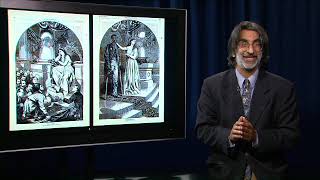
A New Birth of Freedom, Part 1 | America's Written Constitution with Akhil Reed Amar
 YaleCourses
·
· 22m39s
YaleCourses
·
· 22m39s
Lincoln campaigned on a gradual plan: no slavery in the territories, and abolition in perhaps a century. Akhil Reed Amar explains that plan, and why nothing like it happened. This lecture closes the founding era and sets up the Civil War amendments. Amar first derives much of the original Constitution from a single premise, national security, tracing how the need for a government that could tax, raise armies, and bind states through treaties produced bicameralism, a separate executive and judiciary, popular ratification over the heads of state governments, and eventually a Bill of Rights. He then turns to what that system failed to do. Congress could bar slavery from the territories but was never required to, and the North won the race for western settlement partly by luck: Indian defeats in Ohio, European immigrants avoiding competition with slave labor, and Southern fear of importing enslaved people after the Haitian revolution. From Jefferson through Jackson to Taney and Dred Scott, the system tilted further toward slavery, until Lincoln won on a deliberately modest platform of no new slavery and gradual, compensated abolition on the pattern the northern states had used. Chapters: 00:00 Closing the founding era 01:45 National security as the starting premise 07:27 Going over the heads of the state governments 09:28 The Sedition Act and the election of 1800 11:30 Why the founders' system eventually failed 12:32 Luck, and the race for western land 14:36 Jackson, Taney, and Dred Scott 16:08 Lincoln's platform: no new slavery 19:45 How gradual emancipation had worked in the North Learning objectives: After watching, you'll be able to: - Derive the main structural features of the Constitution from the national security premise - Explain why the framers appealed directly to the people rather than to state governments - Identify the contingencies that kept slavery from spreading across the territories - Summarize Lincoln's actual anti-slavery platform in 1860 - Describe how gradual emancipation statutes worked in the northern states 📺 Watch the full playlist on YouTube: https://www.youtube.com/playlist?list=PLCq6-l8oFuvk 🎓 Enroll on Coursera for assessments and a certificate: https://www.coursera.org/learn/written-constitution 🌐 Explore more learning opportunities on Yale Online: https://online.yale.edu/courses/americas-written-constitution
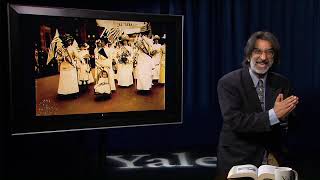
Progressive Reforms, Part 1 | America's Written Constitution with Akhil Reed Amar
YaleCourses
·
· 21m59s
New York Times v. Sullivan, Miranda, Griswold, Lawrence. None of them is strictly a Bill of Rights case. Akhil Reed Amar explains why they are all Fourteenth Amendment cases instead. This lecture argues that the constitutional world most Americans actually inhabit was built by amenders rather than founders. The original Bill of Rights bound only Congress, was barely enforced before the Civil War, and reached the states only through the Fourteenth Amendment, accomplishing what Madison had failed to get through the First Congress. The word "equal" applied to persons rather than states arrives with the Fourteenth as well. Amar then turns to the Progressive Era cluster and makes a specific claim: the Sixteenth Amendment supplied a national redistributive taxing power, the Seventeenth freed senators from state legislatures and made them willing to back national projects, and the Nineteenth doubled an electorate that has since leaned toward social welfare legislation. Together, he argues, those three amendments make the New Deal, the Great Society, and the Affordable Care Act constitutional matters rather than departures from the founding. Chapters: 00:00 What we owe to the amendments 01:46 Incorporation against the states 03:18 The amendment Madison could not pass 06:57 Where "equal" enters the Constitution 09:00 Washington, Jackson, and Lincoln 11:36 Why amendments arrive in generational clusters 13:06 From "Congress shall make no law" to "Congress shall have power" 14:41 Why so much more of life is now interstate 17:17 Sixteen plus seventeen plus nineteen Learning objectives: After watching, you'll be able to: - Explain incorporation and why it changed what the Bill of Rights means in practice - Identify which landmark rights cases rest on the Fourteenth Amendment - Describe the pattern by which amendments arrive in generational clusters - Contrast the localism of the early amendments with the nationalism of the later ones - Analyze how the Sixteenth, Seventeenth, and Nineteenth Amendments expanded federal capacity 📺 Watch the full playlist on YouTube: https://www.youtube.com/playlist?list=PLCq6-l8oFuvk 🎓 Enroll on Coursera for assessments and a certificate: https://www.coursera.org/learn/written-constitution 🌐 Explore more learning opportunities on Yale Online: https://online.yale.edu/courses/americas-written-constitution

Judges and Juries, Part 1 | America's Written Constitution with Akhil Reed Amar
YaleCourses
·
· 23m11s
At the Revolution, the chief judges of ten of the thirteen colonies sided with George III rather than George Washington. Akhil Reed Amar argues that fact shapes all of Article III. This lecture explains why the judiciary gets one chapter where Congress and the presidency each got two: because the written Constitution says less about it, and because judges share Article III with juries. Amar reads the three articles as a record of the Revolution. Congress must be representative because the fight was over taxation without representation. The presidency borrows the monarchy's strengths without its heredity. And the courts come last because judges were the Crown's men while juries, assemblies, and militias were the patriots'. He then lays out the democratic pyramid running through the document, in which more accountable bodies choose less accountable ones: presidents pick judges, judges do not pick their chief, and Congress sets the size of the Court and the rules it follows. The lecture closes on Federalist 78, life tenure, and the open question of how robust a judicial review the framers actually had in mind. Chapters: 00:00 Why judges and juries share one chapter 02:45 The Revolution behind Articles I and II 06:18 Colonial judges sided with the King 08:23 How state constitutions treated their courts 11:07 The natural order of the three articles 13:11 The democratic pyramid 16:15 The least dangerous branch 17:16 Judicial review, expected but undefined 19:54 Life tenure and undiminishable salary Learning objectives: After watching, you'll be able to: - Explain why Article III is the shortest of the three branch articles - Describe the role of judges, juries, and militias during the Revolution - Trace the democratic pyramid from the Preamble through Article III - Identify the powers Congress holds over the structure of the federal courts - Summarize Hamilton's case in Federalist 78 for judicial independence 📺 Watch the full playlist on YouTube: https://www.youtube.com/playlist?list=PLCq6-l8oFuvk 🎓 Enroll on Coursera for assessments and a certificate: https://www.coursera.org/learn/written-constitution 🌐 Explore more learning opportunities on Yale Online: https://online.yale.edu/courses/americas-written-constitution

How Secession Destroyed Slavery in Five Years | America's Written Constitution
YaleCourses
·
· 33m54s
Lincoln took office with under 40 percent of the popular vote and no majority in either house. Akhil Reed Amar argues the South could have simply outwaited him, and explains what firing on Fort Sumter cost it instead. This lecture rejects the comfortable story that the Thirteenth, Fourteenth, and Fifteenth Amendments fulfilled the founders' design. Amar argues the opposite: the system grew more pro-slavery decade by decade, with a South that criminalized anti-slavery preaching, sent Preston Brooks back to Congress a hero, and pushed for expansion into Kansas, Cuba, and Mexico. He walks through Lincoln's shift from restoring the Union to emancipation, driven by two calculations, keeping Britain from recognizing the Confederacy and moving roughly 180,000 Black soldiers from one side of the ledger to the other. He then follows the arithmetic that made the Fourteenth Amendment necessary, since emancipation turned every three-fifths count into five-fifths and would have returned the South with more power than before. The lecture covers birthright citizenship overturning Dred Scott, privileges or immunities as a second Bill of Rights against the states, why voting was deliberately left out, how Section 2 and readmission terms produced the Fifteenth Amendment, and the "Shall I Trust These Men?" cartoon that closes the chapter. Chapters: 00:00 The story we would like to tell, and why it is false 02:22 How the South shut down its own debate 06:58 The strategy that could have beaten Lincoln 09:01 Fort Sumter, and a catastrophic miscalculation 13:14 Why Lincoln issued the Emancipation Proclamation 16:53 The Thirteenth Amendment: immediate and uncompensated 20:33 The arithmetic problem that freedom created 22:06 The Fourteenth Amendment, sentence by sentence 28:19 How the Fifteenth Amendment became possible 31:24 "Shall I trust these men?" Learning objectives: After watching, you'll be able to: - Refute the claim that the Reconstruction Amendments fulfilled the founders' intentions - Explain the diplomatic and military reasoning behind the Emancipation Proclamation - Describe what made the Thirteenth Amendment radical by the standards of its time - Trace how ending the three-fifths discount created the need for the Fourteenth Amendment - Distinguish civil rights from political rights in the Fourteenth and Fifteenth Amendments 📺 Watch the full playlist on YouTube: https://www.youtube.com/playlist?list=PLCq6-l8oFuvk 🎓 Enroll on Coursera for assessments and a certificate: https://www.coursera.org/learn/written-constitution 🌐 Explore more learning opportunities on Yale Online: https://online.yale.edu/courses/americas-written-constitution

Student Q&A with Bradley | America's Written Constitution with Akhil Reed Amar
YaleCourses
·
· 3m28s
No federal body reviews old statutes to check whether they are still constitutional. Course teaching assistant Bradley explains what that means for laws like the Civil Rights Act of 1866 and the Sherman Act. This short bonus session answers two questions submitted by students. The first asks whether any entity routinely reviews federal laws for continuing constitutionality. The answer is no: a statute stays on the books until Congress repeals it or a court strikes it down, and age alone does not make a law unconstitutional. Bradley notes that the reach of a statute can shift as conditions change, most obviously with the expansion of interstate commerce, and that the body already empowered to clear out obsolete laws is Congress itself. The second question asks why the founders thought of America as an island protected by oceans when Canada and Mexico sat on its borders. The answer turns on what those places were in 1788: thinly held outposts of European empires rather than powers with armies of their own. Chapters: 00:00 Do old federal laws stay valid? 01:43 What changes when conditions change 02:20 Canada, Mexico, and the island mentality Learning objectives: After watching, you'll be able to: - Explain why federal statutes remain in force absent repeal or judicial invalidation - Identify how shifts in interstate commerce alter a statute's practical reach - Describe the strategic position of Canada and Mexico at the time of ratification 📺 Watch the full playlist on YouTube: https://www.youtube.com/playlist?list=PLCq6-l8oFuvk 🎓 Enroll on Coursera for assessments and a certificate: https://www.coursera.org/learn/written-constitution 🌐 Explore more learning opportunities on Yale Online: https://online.yale.edu/courses/americas-written-constitution
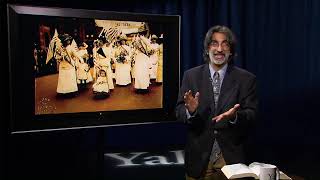
Progressive Reforms, Part 2 | America's Written Constitution with Akhil Reed Amar
YaleCourses
·
· 29m30s
Only men could vote on whether women should vote. Akhil Reed Amar traces the fifty-year path from that problem to the Nineteenth Amendment, starting in the territory with the fewest women. This lecture covers the Progressive Era amendments in detail. On the income tax, Amar argues the power always existed, that Lincoln signed a progressive income tax during the Civil War and courts upheld it, and that the Court's later reversal rested on a reading of "direct tax" bound up with slavery-era compromises. The Sixteenth Amendment is one of only a few times Americans have overturned the Supreme Court by amendment. He then traces how the Seventeenth Amendment was preceded by improvised direct elections, from the Lincoln-Douglas contest of 1858 through southern primaries and the Oregon pledge system, and follows its downstream effects on one-person-one-vote, on cabinet service, and on the path from the Senate to the presidency. The Nineteenth Amendment gets the fullest treatment: why western territories with five men to every woman moved first, how state-by-state votes shifted from 70-30 losses to a bandwagon no ambitious politician wanted to be left off, and why Woodrow Wilson reversed himself and asked Congress for suffrage as a war measure. Chapters: 00:00 The income tax, and whether it was ever barred 02:50 The Court reverses itself, and Harlan dissents 05:57 The four times an amendment overruled the Court 07:00 The Seventeenth Amendment 10:06 The Oregon plan 11:40 Downstream effects on the cabinet and the presidency 15:44 The Nineteenth Amendment 17:15 Why the West enfranchised women first 20:55 The bandwagon, state by state 23:01 Wilson, the war, and the League of Nations Learning objectives: After watching, you'll be able to: - Explain why Amar considers the federal income tax constitutional before 1913 - Identify the Supreme Court decisions that Americans overturned by amendment - Describe the workarounds that produced direct Senate elections before the Seventeenth Amendment - Trace the effects of direct Senate election on cabinets, courts, and presidential politics - Analyze the federalism and wartime dynamics that produced the Nineteenth Amendment 📺 Watch the full playlist on YouTube: https://www.youtube.com/playlist?list=PLCq6-l8oFuvk 🎓 Enroll on Coursera for assessments and a certificate: https://www.coursera.org/learn/written-constitution 🌐 Explore more learning opportunities on Yale Online: https://online.yale.edu/courses/americas-written-constitution

States and Territories, Part 2 | America's Written Constitution with Akhil Reed Amar
YaleCourses
·
· 25m51s
There were never many fugitive slaves. Akhil Reed Amar explains why the clause that actually broke the Union was the one giving Congress power over the western territories. This lecture separates slavery into the distinct constitutional questions it actually comprised: the citizenship of free Black Americans, the three-fifths count in the House and the Electoral College, the international slave trade and the 1808 date, fugitives, slavery in the states, and slavery in the territories. Amar reads interstate privileges and immunities as a rule of equal treatment rather than portable rights, which is where Taney's reasoning in Dred Scott goes wrong, and covers full faith and credit for out-of-state judgments and the gap between civil and political rights that left women citizens without the vote. He treats the Fugitive Slave Clause as a partial compromise that Congress and the Taney Court then implemented in far more pro-slavery ways, culminating in the 1850 act. The territories are the heart of the lecture: Article IV gave Congress the choice, the first Congress chose free soil in the Northwest Ordinance, and Taney declared that choice unconstitutional. The lecture ends on the Republican Guarantee Clause, the sleeping giant that would become the most important provision in the document after the Civil War. Chapters: 00:00 What Taney claimed in Dred Scott 02:13 Privileges and immunities as equal treatment 05:19 Full faith and credit for state judgments 07:53 Slavery as six or seven separate questions 10:26 The Fugitive Slave Clause 15:30 Slavery in the territories 19:41 The Northwest Ordinance and equal footing 21:43 The Republican Guarantee Clause 24:19 Back to "Join or Die" Learning objectives: After watching, you'll be able to: - Explain why privileges and immunities grant equal treatment rather than portable rights - Distinguish the civil rights of citizens from political rights such as voting - Break down slavery in the Constitution into its separate clauses and questions - Contrast Article IV's grant of power over the territories with Taney's reading of it - Describe how the Republican Guarantee Clause became the basis for Reconstruction 📺 Watch the full playlist on YouTube: https://www.youtube.com/playlist?list=PLCq6-l8oFuvk 🎓 Enroll on Coursera for assessments and a certificate: https://www.coursera.org/learn/written-constitution 🌐 Explore more learning opportunities on Yale Online: https://online.yale.edu/courses/americas-written-constitution

Making Amends, Part 1 | America's Written Constitution with Akhil Reed Amar
YaleCourses
·
· 21m52s
Marbury v. Madison and the Louisiana Purchase both happened in 1803. Akhil Reed Amar argues the purchase was by far the more consequential constitutional decision, and explains why. This lecture marks the turn from the original Constitution to its amendments. Amar notes a structural fact with real consequences: unlike most state constitutions, which absorb amendments into the text, the federal document appends them in chronological order, so each generation's contribution stays legible. He uses that to frame the Constitution as an intergenerational project rather than a founders' achievement, and traces the sequence: a colonial revolution organized around stated principles that did not end in a bloodbath or a strongman, state constitutions as the first laboratory, a continental ratification, the acquisition of Louisiana, the anti-colonial commitment to admit territories as equal states, and the ending of slavery. He closes on the twentieth century, arguing that an America still committed to racial hierarchy could not have stood against Nazism as it did, and on how much of the promise was only redeemed much later. Chapters: 00:00 The end of the original Constitution 02:13 Why amendments are appended, not woven in 04:48 What the American project gave the world 06:51 A revolution that did not devour itself 09:26 State constitutions as the first round 12:03 Louisiana, and the real decision of 1803 13:37 Turning territories into equal states 14:42 The project of ending slavery 17:13 The twentieth century, and the present Learning objectives: After watching, you'll be able to: - Explain how the placement of amendments shapes our reading of the Constitution - Describe why the American Revolution avoided the outcomes of later revolutions - Trace which features of the federal Constitution came from state experiments - Compare the constitutional significance of Marbury v. Madison and the Louisiana Purchase - Assess the Constitution as an unfinished intergenerational project 📺 Watch the full playlist on YouTube: https://www.youtube.com/playlist?list=PLCq6-l8oFuvk 🎓 Enroll on Coursera for assessments and a certificate: https://www.coursera.org/learn/written-constitution 🌐 Explore more learning opportunities on Yale Online: https://online.yale.edu/courses/americas-written-constitution

Farewell | America's Written Constitution with Akhil Reed Amar
YaleCourses
·
· 3m29s
Akhil Reed Amar closes the course on the written Constitution and asks one favor of students who will not continue: watch a single lecture from the sequel, which doubles as a conclusion to this one. Having walked the text from the Preamble through Article VII and all twenty-seven amendments, Amar previews what the second course adds: a set of tools and techniques for going beneath, beyond, and behind the words while staying faithful to them. For anyone stopping here, he points to the sequel's final lecture, posted as a bonus, which sums up both halves. Chapters: 00:00 The end of the semester 01:17 A favor: the bonus lecture 02:20 What the sequel course covers Learning objectives: After watching, you'll be able to: - Describe what the written Constitution course has covered end to end - Explain what the unwritten Constitution course adds to it - Identify which additional lecture serves as a conclusion to both courses 📺 Watch the full playlist on YouTube: https://www.youtube.com/playlist?list=PLCq6-l8oFuvk 🎓 Enroll on Coursera for assessments and a certificate: https://www.coursera.org/learn/written-constitution 🌐 Explore more learning opportunities on Yale Online: https://online.yale.edu/courses/americas-written-constitution
America's First Officer, Part 1 | America's Written Constitution with Akhil Reed Amar
YaleCourses
·
· 23m21s
In 1787, ten of the thirteen states gave their governor a one-year term. The Constitution proposed four years with unlimited reelection, for a far more powerful office. Akhil Reed Amar explains the reasoning. This lecture opens Article II by contrasting the new presidency with the presiding officer it borrowed its name from. Under the Articles of Confederation, the "president" held a gavel and little else: no veto, no pardon, no appointments, no command of an army, no fixed term. Amar argues the familiar label was kept partly to ease the transition and partly because everyone in Philadelphia had spent the summer calling George Washington "Mr. President." He then works through the numbers. One president, singular where Congress and the courts are plural, and continuously in office because the United States is always in session while Congress and the Court are not. Four years, defended on two grounds: a domestic balance against a Congress with two-year and six-year terms, and the standing to negotiate with hereditary monarchs abroad. The term was perpetually renewable, and the two-term limit we now take for granted began as Washington's personal choice to leave. Chapters: 00:00 Article II, and the word "president" 02:47 Why keep the old label 05:21 An office designed with Washington in mind 08:00 One person, always in session 10:36 Four years, measured against the states 13:12 Counterbalancing a stronger Congress 16:54 The foreign affairs argument 17:55 The states begin copying the model 19:58 Washington's decision to step down Learning objectives: After watching, you'll be able to: - Compare the constitutional presidency with the presiding officer under the Articles of Confederation - Explain why a single, continuously serving executive suited a country facing sudden crises - Contrast the four-year term with the terms of contemporary state governorships - Analyze the domestic and foreign affairs cases for a longer executive term - Distinguish what the text provided from what Washington's example established 📺 Watch the full playlist on YouTube: https://www.youtube.com/playlist?list=PLCq6-l8oFuvk 🎓 Enroll on Coursera for assessments and a certificate: https://www.coursera.org/learn/written-constitution 🌐 Explore more learning opportunities on Yale Online: https://online.yale.edu/courses/americas-written-constitution

Mooc Court | America's Written Constitution with Akhil Reed Amar
YaleCourses
·
· 46m31s
Roughly 10,000 cases petition the Supreme Court each year and about 75 are heard. Teaching assistants Nick Crown and Bradley Silverman walk through that process and then argue two live cases. The first half of this bonus session explains how constitutional law actually gets made: certiorari and discretionary review, why the courts of appeals are the last stop for nearly every litigant, and how majority, plurality, concurring, and dissenting opinions carry different precedential weight. Harlan's lone dissent in Plessy becoming the reasoning of Brown v. Board of Education serves as the example. The second half takes up two cases then pending. Holt v. Hobbs asks whether an Arkansas grooming policy can bar a Muslim prisoner from growing a half-inch beard, which leads through Employment Division v. Smith, RFRA, RLUIPA, and the Hobby Lobby decision, and to the harder question of whether such statutes themselves favor religion. Elonis v. United States asks whether a threat posted on Facebook in the form of rap lyrics requires proof that the writer meant it as a threat, or only that a reasonable reader would take it as one. Along the way they connect the statute's interstate commerce hook back to Amar's lectures. Chapters: 00:00 How a case reaches the Supreme Court 03:17 Concurrences, dissents, and pluralities 05:23 When a dissent becomes the majority 08:57 Holt v. Hobbs, and a half-inch beard 11:34 Employment Division v. Smith, RFRA, and RLUIPA 15:43 The search for a limiting principle 22:59 Is a blanket ban the least restrictive means 24:31 Elonis v. United States 25:31 The interstate hook, and bratty children 29:37 Intent, or the reasonable listener 38:17 Chilling speech, and rap lyrics 43:34 Predictions Learning objectives: After watching, you'll be able to: - Describe the path of a case from petition for certiorari through published opinion - Distinguish majority, plurality, concurring, and dissenting opinions by precedential weight - Apply the three-part test that RFRA and RLUIPA impose on laws burdening religious exercise - Explain the interstate commerce hook and why Congress attaches it to criminal statutes - Weigh the intent standard against the reasonable listener standard for true threats 📺 Watch the full playlist on YouTube: https://www.youtube.com/playlist?list=PLCq6-l8oFuvk 🎓 Enroll on Coursera for assessments and a certificate: https://www.coursera.org/learn/written-constitution 🌐 Explore more learning opportunities on Yale Online: https://online.yale.edu/courses/americas-written-constitution

Presidential Powers, Part 2 | America's Written Constitution with Akhil Reed Amar
YaleCourses
·
· 25m29s
Article II gave the president powers no English king held, including one Lincoln used to suspend habeas corpus. Akhil Reed Amar explains the textual basis and the two checks that made it tolerable. This lecture measures the presidency against the two offices the framers knew: a state governorship it far outstripped, and a monarchy it deliberately fell short of. Amar starts with the veto, which makes the president effectively a third chamber, and the salary guarantee that Congress can neither raise nor cut, then turns to the Vesting Clause. Article I grants powers "herein granted"; Article II does not, which is the textual root of a residual executive power covering removal of cabinet officers, secret treaty negotiation, repelling invasion, and Lincoln's suspension of the writ before Congress could reconvene. Each of those, Amar notes, was ratified after the fact by Congress or the Senate, from the Louisiana Purchase onward. He then covers command of the army but not the state militias, the pardon power and its national security logic, and impeachment as the peaceful alternative to beheading a Charles I. The lecture closes on the "King Andrew the First" cartoon and what Jackson's presidency reveals about a Constitution that was democratic, pro-slavery, and built for national security at once. Chapters: 00:00 The veto as a third chamber 01:43 Salary independence from Congress 05:57 The Vesting Clause and residual power 08:00 Lincoln, habeas corpus, and Fort Sumter 12:10 Commander in chief, and the militia check 13:16 Why the pardon power is unilateral 16:53 Elections and impeachment as the real checks 19:25 Who presides at an impeachment trial 20:56 King Andrew the First Learning objectives: After watching, you'll be able to: - Explain how the veto and a fixed salary secure presidential independence - Distinguish the Article II Vesting Clause from the Article I grant of enumerated powers - Trace how unilateral executive acts were later ratified by Congress or the Senate - Compare presidential powers with those of a state governor and an English monarch - Interpret the "King Andrew the First" cartoon as a claim about the antebellum presidency 📺 Watch the full playlist on YouTube: https://www.youtube.com/playlist?list=PLCq6-l8oFuvk 🎓 Enroll on Coursera for assessments and a certificate: https://www.coursera.org/learn/written-constitution 🌐 Explore more learning opportunities on Yale Online: https://online.yale.edu/courses/americas-written-constitution

Presidential Powers, Part 1 | America's Written Constitution with Akhil Reed Amar
YaleCourses
·
· 21m36s
Before the Civil War, the Supreme Court struck down one federal statute. Presidents vetoed roughly two dozen bills on constitutional grounds. Akhil Reed Amar reads the presidential oath to explain why. This lecture works outward from what Article II says about the person who holds the office. Amar covers the original vice presidency, filled by whoever finished second rather than by a running mate, and reads it as evidence that executive power is continuous: a vice president steps in the instant a president dies, where a vacant House seat waits for an election. He revisits James Madison's objection to the succession statute, which put legislative leaders in line even though the Constitution names "officers" and the Incompatibility Clause bars a member of Congress from holding executive office. The heart of the lecture is the oath, one of the few passages the framers wrote out word for word: no religious test, an option to affirm rather than swear, and a promise to defend the Constitution rather than every statute Congress passes, which is where the constitutional veto comes from. Chapters: 00:00 The numbers behind Article II 03:48 Three-fifths inside the Electoral College 05:22 The original vice presidency 06:54 Why executive power never sleeps 08:31 Succession, and Madison's objection 12:37 The presidential oath, word for word 13:39 No religious test, and the option to affirm 15:46 Defending the Constitution, not every statute 18:49 Constitutional vetoes before the Civil War Learning objectives: After watching, you'll be able to: - Explain how the vice presidency worked before the Twelfth Amendment - Summarize Madison's case against putting legislative leaders in the line of succession - Identify what the presidential oath omits compared with the English coronation oath - Contrast a president's duty to the Constitution with a British monarch's duty to Parliament - Compare early presidential vetoes with early judicial review as constitutional enforcement 📺 Watch the full playlist on YouTube: https://www.youtube.com/playlist?list=PLCq6-l8oFuvk 🎓 Enroll on Coursera for assessments and a certificate: https://www.coursera.org/learn/written-constitution 🌐 Explore more learning opportunities on Yale Online: https://online.yale.edu/courses/americas-written-constitution

Justice Sonia Sotomayor in Conversation at Yale | America's Written Constitution
YaleCourses
·
· 57m37s
Justice Sonia Sotomayor got a C on her first college paper and spent a summer working through grammar books from first grade to twelfth. She tells that story and many others in this conversation at Yale's Woolsey Hall. Yale Law School professor Judith Resnik leads the discussion, opening with the first opinion Sotomayor wrote for the Court, in a case Resnik argued, and with its quiet significance: the phrase "undocumented immigrant" entering the United States Reports, later cited by the Supreme Court of California. The conversation then follows the arc of Sotomayor's memoir, My Beloved World. She describes an admissions interview at Radcliffe that she fled, a recruiting visit to Yale that felt too radical for a Catholic girl from the Bronx, and choosing Princeton because a friend from her high school met her at the bus station. She talks about the professor who circled every adjective in her paper and told her to stop thinking in Spanish, about competing against herself rather than her classmates, about leaning over to ask Justice Stevens what a colleague was really arguing, and about what affirmative action gave her, which she describes as the chance to know a race was being run at all. The session closes on how the book was written, into a Dictaphone across three summers. Chapters: 00:00 Welcome and introductions 08:14 Returning to a very different New Haven 11:54 How she came to apply to the Ivy League 13:58 The interview she fled 16:31 Choosing between Princeton and Yale 21:12 Finding a community, and venturing out of it 31:37 Learning to write, one paper at a time 39:32 On admitting what you do not know 42:04 Joining a conversation already in progress 44:39 What affirmative action opened 50:22 Writing My Beloved World Learning objectives: After watching, you'll be able to: - Describe the path Sotomayor took from the Bronx to the Supreme Court - Explain her distinction between ignorance and stupidity as a learning strategy - Summarize her account of how elite admissions worked before the civil rights era - Identify what she means by competing against yourself rather than your peers - Interpret a justice's first opinion as a site of deliberate word choice 📺 Watch the full playlist on YouTube: https://www.youtube.com/playlist?list=PLCq6-l8oFuvk 🎓 Enroll on Coursera for assessments and a certificate: https://www.coursera.org/learn/written-constitution 🌐 Explore more learning opportunities on Yale Online: https://online.yale.edu/courses/americas-written-constitution

Inside the Rare Book Collection | America's Written Constitution with Akhil Reed Amar
YaleCourses
·
· 14m2s
A 1788 printing of the Constitution sets the Preamble in type nearly twice the size of the articles. Teaching assistant Lauren Bezaki and rare book librarian Mike Widener show why that detail matters. This bonus tour visits the Yale Law School rare book collection to look at primary sources behind the course. The first is a first edition of the debates of the Massachusetts ratifying convention, published in 1788 from newspaper reports, which Widener reads as evidence that publishers expected a wide readership beyond Massachusetts and wanted to influence states that had not yet voted. Its closing pages carry the vote tally with John Hancock's name set in type, and statements from delegates who voted no pledging to support the Constitution anyway. The tour then turns to an early Connecticut printing of the Constitution bound with the state's session laws, where the oversized Preamble echoes what Amar argues in the lectures, and ends at a first edition of the Federalist: published anonymously, still in its original pasteboard covers with untrimmed pages, and donated by a descendant of a veteran of Lexington, Concord, and Bunker Hill. Chapters: 00:00 A tour of the collection 01:45 The Massachusetts ratifying convention debates 05:23 The vote tally, and John Hancock's name in type 06:26 What the delegates who voted no wrote 07:26 An early printing of the Constitution 08:28 The Preamble in oversized type 09:34 A first edition of the Federalist 11:41 Untrimmed pages, and the copy's original owner Learning objectives: After watching, you'll be able to: - Describe how newspaper publishing shaped the record of the ratification debates - Interpret typography in early printings as evidence about the Preamble's importance - Explain what the dissenting delegates' closing statements reveal about the process - Identify the publication history of the Federalist and its original anonymity - Locate comparable primary sources in a local or university library 📺 Watch the full playlist on YouTube: https://www.youtube.com/playlist?list=PLCq6-l8oFuvk 🎓 Enroll on Coursera for assessments and a certificate: https://www.coursera.org/learn/written-constitution 🌐 Explore more learning opportunities on Yale Online: https://online.yale.edu/courses/americas-written-constitution

Judges and Juries, Part 2 | America's Written Constitution with Akhil Reed Amar
YaleCourses
·
· 30m14s
The Supreme Court invalidated exactly one act of Congress before 1850, and it concerned the Court's own jurisdiction. Akhil Reed Amar explains how judicial review grew from that into what it is today. This lecture separates the principle of judicial review from its scale. Amar derives the principle in two steps, since the Constitution outranks statutes in democratic pedigree and judges are bound to follow law, and notes that the same logic gives the House, the Senate, and the president their own constitutional vetoes. He then assembles the evidence that the founders expected something modest: an unspecified Court size, an original bench of six, no requirement that opinions be written or collective, and a Marshall Court that struck down state laws constantly while touching one federal statute. He accounts for the modern expansion through more judges, certiorari and docket control, rights-creating amendments after the Civil War, and divided government. The lecture returns to juries as Article III's lower house, whose thin protection helped precipitate the Bill of Rights, and closes on John Marshall, the diplomat and politician who made the Court real, and on his successor Roger Taney, whose pro-slavery vision led to Dred Scott. Chapters: 00:00 What judicial review is, and who else exercises it 03:48 The two-step argument for the practice 05:50 How modest a version the founders imagined 08:24 An unspecified size, and a malapportioned Court 09:56 Six justices, and no required written opinions 11:59 What Marbury v. Madison actually struck down 15:32 Why the judiciary grew so much more powerful 21:17 Juries as the lower house of Article III 24:20 John Marshall, and the succession to Taney Learning objectives: After watching, you'll be able to: - Explain judicial review from the supremacy of the Constitution and the duty of judges - Distinguish judicial review from the executive and legislative equivalents - Assess the textual evidence that the founders envisioned a modest judicial role - Identify the developments that expanded judicial power after the founding - Describe how thin jury protections in Article III helped generate the Bill of Rights 📺 Watch the full playlist on YouTube: https://www.youtube.com/playlist?list=PLCq6-l8oFuvk 🎓 Enroll on Coursera for assessments and a certificate: https://www.coursera.org/learn/written-constitution 🌐 Explore more learning opportunities on Yale Online: https://online.yale.edu/courses/americas-written-constitution

The Law of the Land, Part 2 | America's Written Constitution with Akhil Reed Amar
YaleCourses
·
· 23m36s
Why should a document from 1787 outrank a law passed this year by elected representatives? Akhil Reed Amar answers that the Constitution is higher law because it has the deeper democratic foundation. This lecture finishes the original Constitution with Articles VI and VII. Amar contrasts the Supremacy Clause with the Articles of Confederation, which never called themselves law and which state courts treated as a treaty that later statutes could override. He then builds the hierarchy of legal authority as a democratic gradient: the Constitution and its amendments, which required two-thirds of each house and three-quarters of the states, then federal statutes, then treaties, then state constitutions and statutes. On that reading, treaties sit below statutes rather than beside them, which is why raising an army, creating a federal crime, or repealing a statute all require the House. He reads the Supremacy Clause as the answer to secession, then turns to Article VII, the last sentence of the original document and the mirror of the Preamble, which cashed out "We the People" as specially elected ratifying conventions and set nine states as the threshold for a union no one had to join but no one could later leave. Chapters: 00:00 What remains: Articles VI and VII 02:16 What the Articles of Confederation never claimed 04:47 Why the Constitution is the supreme law 06:52 The hierarchy: Constitution, statutes, treaties 10:59 What a treaty cannot do on its own 13:34 The Supremacy Clause and secession 15:09 Article VII and the ratifying conventions 19:47 Why nine states, and not thirteen 22:18 From rear portico to passageway Learning objectives: After watching, you'll be able to: - Explain the Supremacy Clause and what it changed from the Articles of Confederation - Justify constitutional supremacy on democratic rather than merely formal grounds - Rank constitutional provisions, statutes, treaties, and state law by authority - Identify actions that require the House of Representatives and cannot be done by treaty - Describe why ratification used specially elected conventions rather than referenda 📺 Watch the full playlist on YouTube: https://www.youtube.com/playlist?list=PLCq6-l8oFuvk 🎓 Enroll on Coursera for assessments and a certificate: https://www.coursera.org/learn/written-constitution 🌐 Explore more learning opportunities on Yale Online: https://online.yale.edu/courses/americas-written-constitution

INSANE: CIVILIAN PLANE Crash CAUSED BY US Military
 Breaking Points
·
· 9m44s
Breaking Points
·
· 9m44s
Ryan and Saagar discuss civilian planes being effected by military interference in New Mexico. LIMITED TIME FREE TRIAL AT BreakingPoints.com Sign up for a PREMIUM Breaking Points subscriptions for full early access to uncut shows and LIVE AMAs with the hosts every week: https://breakingpoints.supercast.com/ Merch Store: https://shop.breakingpoints.com/ To listen to Breaking Points as a podcast, check them out on Apple and Spotify Apple: https://podcasts.apple.com/us/podcast/breaking-points-with-krystal-and-saagar/id1570045623 Spotify: https://open.spotify.com/show/033kFeszOZEgO3Wy6ziXKR Instagram: https://www.instagram.com/breakingpoints.yt Facebook: https://www.facebook.com/people/Breaking-Points/61575893472315/ #news #politics #youtube
Course Introduction | America's Written Constitution with Akhil Reed Amar
YaleCourses
·
· 22m59s
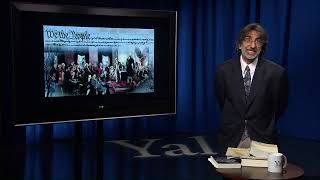
The Constitution is about 8,000 words, start to finish. Akhil Reed Amar explains how to read all of it, in textual order, and what to look for in the one sentence that opens it. This introductory lecture lays out the plan for the course: the Preamble, then Articles I through VII, then the amendments in the order they were added, from the Bill of Rights through Reconstruction, the Progressive Era, and the modern amendments of the 1960s and after. Amar names the three themes he will track throughout: how democratic the document was in its own historical context, how pro-slavery it also was and how close that contradiction came to destroying it, and how much of it was driven by national security and geostrategy. He introduces the companion book, America's Constitution: A Biography, discusses the course image drawn from the National Constitution Center, and closes with the assignment: read the text, and reread the Preamble. Chapters: 00:00 What this course is and who it is for 02:18 Working through the text in order 04:18 From Reconstruction to the modern amendments 06:21 Eight thousand words, and what they leave out 07:26 The unwritten Constitution, previewed 10:31 The companion books 14:11 Democracy, slavery, and national security 17:12 The course image and the Preamble 20:45 Your assignment Learning objectives: After watching, you'll be able to: - Summarize the structure of the written Constitution in textual order - Identify the three themes Amar tracks: democracy, slavery, and national security - Distinguish the written Constitution from the unwritten principles built on it - Explain why the Preamble carries weight out of proportion to its length - Formulate your own answer to whether the document created an indissoluble union 📺 Watch the full playlist on YouTube: https://www.youtube.com/playlist?list=PLCq6-l8oFuvk 🎓 Enroll on Coursera for assessments and a certificate: https://www.coursera.org/learn/written-constitution 🌐 Explore more learning opportunities on Yale Online: https://online.yale.edu/courses/americas-written-constitution

Dierenasiel DOA overspoeld met babykonijntjes
 AT5
·
· 1m48s
AT5
·
· 1m48s
Dierenasiel DOA heeft te veel konijnen onder haar dak. Nadat ze een tijdje geleden een aantal moesten redden, bleken sommigen drachtig. Inmiddels zijn er al drie nestjes met babykonijntjes. "Heel schattig, maar ze moeten echt een huis krijgen, en dat kan lang duren." Soms kan timing perfect zijn. Vandaag was zo'n dag. Een van de drachtige konijnen begon precies tijdens de afspraak met AT5 te bevallen. Een mooi, maar ook spannend moment, vertelt dierenverzorger Noor van Gennep. Ze is druk in de weer met het konijn, genaamd Brioche (de namen zijn verdeeld tussen twee thema's: brood en snoep), dat al zes baby's heeft gebaard als we binnenlopen en nog niet klaar lijkt te zijn. Brioche werd gedumpt langs de weg en gered door DOA. Normaal castreren of steriliseren ze konijnen zo snel mogelijk, maar de drachtige Brioche stond al op springen. Het is al het derde nestje in korte tijd en de hoeveelheid konijnen in het asiel is inmiddels uniek te noemen. "We hebben ze echt in alle kleuren en leeftijden. We zitten vol", zegt Van Gennep. En dat heeft ook een keerpunt. "Het is onwijs schattig om te zien, maar we vinden het niet fijn. Voor al die konijnen zoeken we ook weer een huis en dat kan best even duren." En dus doet ze een dringende oproep: "Iedereen die ooit heeft nagedacht over konijnen adopteren, dit is je teken. Kom vooral langs om te kijken en met ons in gesprek te gaan of het bij je past." De konijnen kunnen alleen per twee of meer geadopteerd worden, anders worden ze eenzaam. Wie thuis al konijnen heeft, kan wel een in plaats van twee adopteren. Op de website vind je een overzicht van alle konijnen en de voorwaarden. Van Gennep hoopt dat de konijnen snel geadopteerd worden, maar het afscheid zal wel pijn doen. "Ik hou van ze." ❌ ❌ ❌ AT5 - Echt Amsterdams Nieuws Abonneer hier op ons youtubekanaal: https://www.youtube.com/AT5 Tips of opmerkingen? Whatsapp: 06 511 909 38 Telefoon: 020 555 1155 Volg AT5: www.at5.nl Instagram: instagram.com/at5.nl Facebook: facebook.com/at5nl Twitter: twitter.com/at5

"We Are TERRIFIED!" Israeli Settlers Rampage + Hamas Arms Deal | With Norman Finkelstein
 Piers Morgan Uncensored
·
· 57m8s
Piers Morgan Uncensored
·
· 57m8s
As violence in the occupied West Bank continues to escalate, one of the most influential figures in Israel's settler movement joins the programme. The interview follows a diplomatic clash between Israel and Spain after Israeli officials criticised Madrid over a surge of migrants crossing from Morocco into the Spanish enclave of Ceuta. Israel's Ambassador to the UN, Danny Danon, accused Spain of hypocrisy, saying it should explain why it still maintains "colonial enclaves" in Africa before criticising Israel. The exchange reignited debate over competing claims of colonialism. Israel and the United States recognise Morocco's sovereignty over Western Sahara, a territory whose status remains disputed internationally, while Israel itself faces sustained international criticism over the expansion of Israeli settlements in the occupied West Bank. Against that backdrop, attention has increasingly focused on the settlement movement and its growing influence within Israeli politics. National Security Minister Itamar Ben-Gvir has repeatedly voiced support for expanding settlements and has also called for Israelis to resettle Gaza. In tonight’s Uncensored, Piers Morgan is joined by founder of the Nachala settler movement, Daniella Weiss, Palestinian Christian pastor Munther Isaac, author and political scientist, Norman Finkelstein, historian and professor Benny Morris, to discuss. 00:00 Introduction 02:10 Daniella Weiss joins Piers to discuss the on-going settler violence against Palestinians 03:03 Is a Jewish life is worth the same as a Palestinian life 10:00 Amnesty International says Israel created a campaign of ethnic cleansing Palestinians 19:36 Palestinian Christian Pastor Munther Isaac reacts to Daniella Weiss’ interview 21:21 The crimes of Israel 23:34 Munther Isaac’s comments during his interview with Tucker Carlson 26:46 Piers asks Munther Isaac if he condemns what happened on October the 7th 27:42 Norman Finkelstein and Benny Morris debate settler colonialism in the West Bank 38:00 Piers asks Norman about Ghazi Hamad’s comments about Hamas crimes 44:43 What do Norman Finkelstein and Benny Morris agree upon? 46:14 Did Hamas weaponise sexual violence? 51:43 Will Hamas accept the proposed deal to demilitarise? Subscribe to stay up-to-date on all Uncensored content. Follow Piers Morgan Uncensored on: X: https://x.com/PiersUncensored Instagram: https://www.instagram.com/piersmorganuncensored/ Facebook: https://www.facebook.com/piersmorganuncensored TikTok: https://www.tiktok.com/@piersmorganuncensored Follow Piers Morgan on: X: https://x.com/piersmorgan Instagram: https://www.instagram.com/piersmorgan #piersmorgan #piersmorganinterview #piersmorgandebate

Ben Shapiro SHAMES Americans For Grocery Price Complaints
Breaking Points
·
· 18m54s
Ryan and Saagar discuss LIMITED TIME FREE TRIAL AT BreakingPoints.com Sign up for a PREMIUM Breaking Points subscriptions for full early access to uncut shows and LIVE AMAs with the hosts every week: https://breakingpoints.supercast.com/ Merch Store: https://shop.breakingpoints.com/ To listen to Breaking Points as a podcast, check them out on Apple and Spotify Apple: https://podcasts.apple.com/us/podcast/breaking-points-with-krystal-and-saagar/id1570045623 Spotify: https://open.spotify.com/show/033kFeszOZEgO3Wy6ziXKR Instagram: https://www.instagram.com/breakingpoints.yt Facebook: https://www.facebook.com/people/Breaking-Points/61575893472315/ #news #politics #youtube

Probably a sign to state your full government name and job title BEFORE hooking up - BBC
 BBC
·
· 1m35s
BBC
·
· 1m35s
Everyone is collateral. The boundaries between colleague, lover and enemy blur in the backstabbing, high pressure, glamorous world of high finance. #Industry #CharlieHeaton #KiernanShipka #Throwback Subscribe and 🔔 to the BBC 👉 https://bit.ly/BBCYouTubeSub Watch the BBC first on iPlayer 👉 https://bbc.in/iPlayer-Home

Jon Stewart HUMILIATES 'Weird' Fetterman On Israel
Breaking Points
·
· 20m33s
Ryan and Saagar discuss Jon Stewart humiliating Fetterman on Israel. LIMITED TIME FREE TRIAL AT BreakingPoints.com Sign up for a PREMIUM Breaking Points subscriptions for full early access to uncut shows and LIVE AMAs with the hosts every week: https://breakingpoints.supercast.com/ Merch Store: https://shop.breakingpoints.com/ To listen to Breaking Points as a podcast, check them out on Apple and Spotify Apple: https://podcasts.apple.com/us/podcast/breaking-points-with-krystal-and-saagar/id1570045623 Spotify: https://open.spotify.com/show/033kFeszOZEgO3Wy6ziXKR Instagram: https://www.instagram.com/breakingpoints.yt Facebook: https://www.facebook.com/people/Breaking-Points/61575893472315/ #news #politics #youtube

The history of the cardboard box before Amazon !
 PeriscopeFilm
·
· 1m1s
PeriscopeFilm
·
· 1m1s

Betty (97) breekt opnieuw haar wereldrecord
 NOS
·
· 0m50s
NOS
·
· 0m50s
Betty heeft opnieuw geschiedenis geschreven. Voor de tweede keer verbeterde ze het wereldrecord als oudste vleugelloopster ter wereld. Tegelijkertijd haalde ze met haar prestatie geld op voor een ziekenhuis.
How memory treats life like a movie | Charan Ranganath
 The Institute of Art and Ideas
·
· 18m41s
The Institute of Art and Ideas
·
· 18m41s
Charan Ranganath discusses how and why we remember. Does this match with your personal experience of memory? With a free trial, you can watch the full talk NOW at https://iai.tv/video/memory-is-a-construction?utm_source=YouTube&utm_medium=description Our understanding of memory often focuses on its failures: the names we cannot recall, the reasons we walked into a room, the experiences that seem to vanish within hours. But what if forgetting is not a flaw, and memory is far more powerful and purposeful than we realise? Join Charan Ranganath, Professor of Psychology and Neuroscience at UC Davis and author of Why We Remember, to explore the cutting-edge neuroscience behind how memory truly works. Drawing on discoveries from his own laboratory, Ranganath examines how the brain forms, stores and retrieves memories, and reveals why memory is not simply a record of the past but the dynamic thread connecting past, present and future. #memory #neuroscience #psychology Charan Ranganath is Professor of Psychology and Neuroscience and Director of Dynamic Memory Lab at the University of California, Davis, where he spent more than 25 years investigating how the brain encodes, stores and retrieves memories. He is the author of Why We Remember: The Science of Memory and How It Shapes Us. The Institute of Art and Ideas features videos and articles from cutting edge thinkers discussing the ideas that are shaping the world, from metaphysics to string theory, technology to democracy, aesthetics to genetics. Subscribe today! https://iai.tv/subscribe?utm_source=YouTube&utm_medium=description&utm_campaign=https://iai.tv/video/memory-is-a-construction 0:00 Intro 0:25 Memory is not so much about the past, but instead about the present and the future. 2:35 Event boundaries - how our mind divides up events 9:35 How event boundaries affect us in real life 16:20 How sleep and memory interact 17:31 How curiosity improves memory For debates and talks: https://iai.tv For articles: https://iai.tv/articles For courses: https://iai.tv/iai-academy/courses

'HATES JEWS': Trump, AIPAC ALL IN Against Abdul El Sayed
Breaking Points
·
· 23m15s
Ryan and Saagar discuss Trump lashing out at Abdul El Sayed after his win in Michigan. LIMITED TIME FREE TRIAL AT BreakingPoints.com Sign up for a PREMIUM Breaking Points subscriptions for full early access to uncut shows and LIVE AMAs with the hosts every week: https://breakingpoints.supercast.com/ Merch Store: https://shop.breakingpoints.com/ To listen to Breaking Points as a podcast, check them out on Apple and Spotify Apple: https://podcasts.apple.com/us/podcast/breaking-points-with-krystal-and-saagar/id1570045623 Spotify: https://open.spotify.com/show/033kFeszOZEgO3Wy6ziXKR Instagram: https://www.instagram.com/breakingpoints.yt Facebook: https://www.facebook.com/people/Breaking-Points/61575893472315/ #news #politics #youtube

Trump RAGES At Hegseth Over Munitions Shortage
Breaking Points
·
· 20m8s
Ryan and Saagar discuss Trump freaking at Hegseth over a lack of options in the Iran war due to munitions shortages. LIMITED TIME FREE TRIAL AT BreakingPoints.com Sign up for a PREMIUM Breaking Points subscriptions for full early access to uncut shows and LIVE AMAs with the hosts every week: https://breakingpoints.supercast.com/ Merch Store: https://shop.breakingpoints.com/ To listen to Breaking Points as a podcast, check them out on Apple and Spotify Apple: https://podcasts.apple.com/us/podcast/breaking-points-with-krystal-and-saagar/id1570045623 Spotify: https://open.spotify.com/show/033kFeszOZEgO3Wy6ziXKR Instagram: https://www.instagram.com/breakingpoints.yt Facebook: https://www.facebook.com/people/Breaking-Points/61575893472315/ #news #politics #youtube

Rippin’ Rosie the Labrador is the World Dog Surfing Champion!🐶 - BBC
BBC
·
· 0m28s
Her owner Steve Drottar told 5 Live Drive what they had to do to get the win…🌊 - BBC 5live #Dog #Labrador #Surfing Subscribe and 🔔 to the BBC 👉 https://bit.ly/BBCYouTubeSub Watch the BBC first on iPlayer 👉 https://bbc.in/iPlayer-Home

" VIEW OF THE SOVIET WORLD / REPORT FROM MOSCOW " 1942 WWII NEWSREEL W/ ERSKINE CALDWELL GG32595
PeriscopeFilm
·
· 12m4s
Join this channel to get access to perks: https://www.youtube.com/channel/UCddem5RlB3bQe99wyY49g0g/join Join us on Patreon. Visit https://www.patreon.com/PeriscopeFilm Visit our website www.PeriscopeFilm.com Dating to summer of 1942, "A View of the Soviet World" presents an interview with American novelist and reporter Erskine Caldwell. he briefly tells of the civilian defense work he witnessed during a trip to Moscow. The film shows hows the Russians are carrying out their pledge of "All for Victory!" including efforts in huge metallurgical plants, the oil industry, the rapid harvest, nurses drilling, and Red Cross work. Caldwell was an American novelist and short story writer. His writings about poverty, racism and social problems in his native Southern United States, in novels such as Tobacco Road and God's Little Acre, won him critical acclaim. In 1941, Caldwell reported from the USSR for Life magazine, CBS radio and the newspaper PM. 00:00 Opens with music setting a somber tone before transitioning into a firsthand account of the bombing of Moscow 0:42 Caldwell vividly describes the night skies lit by anti-aircraft fire—an eerie, almost theatrical display of pyrotechnics aimed at German planes. The sounds of shrapnel and falling bombs create a tense atmosphere. Among the chaos, brave citizens known as roof watchers work tirelessly to extinguish incendiary bombs dropped by the Germans, often from dangerous rooftop positions. Their efforts are portrayed as the most crucial work taking place in the city during this time. As the bombing continues, the resilience of Moscow’s population becomes evident 2:16: Rather than breaking their spirit, the attacks have strengthened their determination to resist the invaders. The entire population appears mobilized, with people performing various defense-related tasks, from filling sandbags to engaging in construction—anything to contribute to the war effort. This communal dedication reflects an unwavering commitment to achieving victory. Attention then shifts to the broader military front 3:36: The Red Army is said to have upended Hitler’s expectations. The Blitzkrieg aimed at the Soviet Union has failed, transforming into a long and bloody conflict. This is followed by a critical mention of Nazi propaganda 5:27: questioning how Goebbels might spin the narrative to hide the extensive losses suffered by the German military in terms of planes, tanks, and entire divisions shattered by Soviet forces. The video emphasizes the total war effort by the Soviet people 6:35:No sacrifice is too great; citizens are fully committed to victory. Industry plays a central role, with metallurgists increasing steel and iron output to supply tanks, planes, and artillery. Simultaneously, oil production continues around the clock. 7:13: New drilling regions ensure that fuel supplies remain abundant, guaranteeing the military will never face shortages. Agricultural productivity is also highlighted. 8:34: From the steppes of the Don to the fields of Kazakhstan, Soviet citizens harvest food and materials to support the army. Bread, oil, and metal are provided in abundance to sustain both military and civilian needs. This unity and productivity reflect the people's complete dedication to defending their homeland. The theme of personal sacrifice deepens with the mention of mass blood donations 9:02: Hundreds of thousands of citizens give blood for wounded soldiers, exemplifying the selflessness pervading the country. Soviet women and girls also step up 10:20: training as Red Cross workers and serving bravely at the front lines, often under fire. Their heroism has saved countless lives. The film closes with a reaffirmation that all citizens of the Soviet Union—men and women, young and old—are united in a selfless struggle for victory over fascism 11:42: A note of patriotic resolve. The End. Motion picture films don't last forever; many have already been lost or destroyed. For almost two decades, we've worked to collect, scan and preserve the world as it was captured on 35mm, 16mm and 8mm movies -- including home movies, industrial films, and other non-fiction. If you have endangered films you'd like to have scanned, or wish to donate celluloid to Periscope Film so that we can share them with the world, we'd love to hear from you. Contact us via the weblink below. This film is part of the Periscope Film LLC archive, one of the largest historic military, transportation, and aviation stock footage collections in the USA. Entirely film backed, this material is available for licensing in 24p HD, 2k and 4k. For more information visit http://www.PeriscopeFilm.com

Nog geen eclipsbril besteld? Dit zijn de alternatieven.
 VRT NWS
·
· 1m5s
VRT NWS
·
· 1m5s
Recht in de zon kijken tijdens een eclips? Geen goed idee. #vrtnws #nws #zonsverduistering #eclips Meer van onze video's zien? Abonneer je hier: https://www.youtube.com/vrtnws Jullie hebben allemaal het recht om jullie mening te geven, maar heb respect voor elkaar. Reacties waarin je scheldt of iemand persoonlijk aanvalt, worden verwijderd.

De vreemdste verkiezing van Groot-Brittannië
 Nieuwsuur
·
· 13m56s
Nieuwsuur
·
· 13m56s
Wie is Count Binface en waarom staat hij op dit moment in het middelpunt van de Britse politiek? Tegen Nieuwsuur vertelt de uitdager van de onlangs afgetreden parlementariër Nigel Farage wat zijn deelname aan serieuze verkiezingen te betekenen heeft. "Waarom ik het opneem tegen Nigel Farage? Waarom niet?" #Nieuwsuur #nigelfarage #vk #countbinface #politiek Meer video’s? Abonneer, zet je belletje aan en laat een reactie achter. Volg ons ook op: Instagram: https://www.instagram.com/nieuwsuur/ TikTok: https://www.tiktok.com/@nieuwsuur Facebook: https://www.facebook.com/Nieuwsuur en onze site: https://www.nieuwsuur.nl Wil je dagelijks op de hoogte worden gebracht van onze verhalen? Abonneer je dan op ons WhatsApp-kanaal. Bij Nieuwsuur vind je regelmatig een nieuwe video. We geven verdieping en context. We controleren de macht. Respectvol en kritisch. Bij Nieuwsuur zie je indringende verhalen die je raken en aan het denken zetten.

'Shelbourne maakt geen schijn van kans tegen Ajax'
AT5
·
· 1m47s
Geen van de in het rood geklede Shelbourne fans die we vandaag treffen in het centrum durft te zeggen dat Shelbourne vanavond gaat winnen. Maar het mag de pret niet drukken. Mogen voetballen in de Johan Cruijff Arena is al boven alle verwachtingen van de fans. "Spelen tegen een club als Ajax, is een droom die uitkomt." Zo'n zeshonderd fans zitten vanavond in het uitvak van de Johan Cruijff Arena. Het vak zal dus nog niet voor de helft gevuld zijn, maar zo gek is dat niet. Shelbourne FC is een kleine club uit Dublin. En dat gevoel nemen de fans vandaag ook mee het centrum in. De sfeer is goed, maar optimisme over de wedstrijd is ver te zoeken. "Ik ben bang dat we totaal ingemaakt worden. Waarom? Heb je Shelbourne wel eens zien spelen?" Ajax speelt vanavond om acht uur de thuiswedstrijd van de derde kwalificatieronde van de Conference League. Het is het debuut van Ajax in deze competitie. ❌ ❌ ❌ AT5 - Echt Amsterdams Nieuws Abonneer hier op ons youtubekanaal: https://www.youtube.com/AT5 Tips of opmerkingen? Whatsapp: 06 511 909 38 Telefoon: 020 555 1155 Volg AT5: www.at5.nl Instagram: instagram.com/at5.nl Facebook: facebook.com/at5nl Twitter: twitter.com/at5

The SUSPENDED Pop Formula That Has Sold Millions of Songs for Decades
 MusicTheoryForGuitar
·
· 0m59s
MusicTheoryForGuitar
·
· 0m59s
The F/G suspended chord combined with earlier options creates radio-ready progressions that never get old. One sentence Full video: https://bit.ly/3ZZmA0i #MusicTheory #ChordProgressions #PopFormulas #SuspendedChords #SoundDesign #MusicProduction

Shelbourne-fans denken dat club geen kans maakt tegen Ajax
AT5
·
· 0m58s
Geen van de in het rood geklede Shelbourne fans die we vandaag treffen in het centrum durft te zeggen dat Shelbourne vanavond gaat winnen. Maar dat mag de pret niet drukken. "Spelen tegen een club als Ajax in de Johan Cruijff Arena, is een droom die uitkomt." ❌ ❌ ❌ AT5 - Echt Amsterdams Nieuws Abonneer hier op ons youtubekanaal: https://www.youtube.com/AT5 Tips of opmerkingen? Whatsapp: 06 511 909 38 Telefoon: 020 555 1155 Volg AT5: www.at5.nl Instagram: instagram.com/at5.nl Facebook: facebook.com/at5nl Twitter: twitter.com/at5

POV: Your neighbour gets an Ann Droid - BBC
BBC
·
· 1m0s
There’s no fooling an Ann Droid 🤖 @carolinenwigg #AnnDroid #DianeMorgan #Comedy #Funny Sue’s (Sue Johnston) husband passed away 18 months ago and her only son, Michael (Paul Ready), is moving out to try and fix his marriage. But the good news is he’s leaving Sue in the care of Linda (Diane Morgan) a social humanoid robot, created to keep elderly people company and monitor their health.

Moeten we Shell (weer) boycotten?
 Vrij Nederland
·
· 1m17s
Vrij Nederland
·
· 1m17s

"Struggle for Dignity": At Least 40 Killed in Mass Protests in Pakistan-Administered Kashmir
 Democracy Now!
·
· 7m31s
Democracy Now!
·
· 7m31s
Support our work: https://democracynow.org/donate/sm-desc-yt In Pakistan-administered Kashmir, a coalition of local politicians, activists and small-business leaders called the Joint Awami Action Committee (JAAC) has been leading mass protests over the soaring cost of living and the limits placed on political autonomy. In response, the Pakistani government banned the group under counterterrorism laws and ordered a communications blackout. Security forces have been accused of indiscriminately firing on nonviolent demonstrators, killing at least 40 people. For more, we speak to Kashmiri writer Mirza Waheed, who grew up in India-administered Kashmir, on the other side of the "Line of Control." In the Pakistani-controlled region known locally as Azad Kashmir, the center of the JAAC protests, "the discontent is not recent," explains Waheed. "It's been simmering under the surface for a while, and now it's kind of burst out [in] the open." He traces the turmoil in the disputed territory to the 1947 Partition of the Indian subcontinent by departing British colonialists. "All these grievances about increasing prices, unemployment, healthcare, infrastructure, they have coalesced into a larger, broader critique of the political arrangement." Democracy Now! is an independent global news hour that airs on over 1,500 TV and radio stations Monday through Friday. Watch our livestream at democracynow.org Mondays to Fridays 8-9 a.m. ET. Subscribe to our Daily Email Digest: https://democracynow.org/subscribe

97-jarige Betty breekt record
VRT NWS
·
· 0m26s
Meer van onze video's zien? Abonneer je hier: https://www.youtube.com/vrtnws Jullie hebben allemaal het recht om jullie mening te geven, maar heb respect voor elkaar. Reacties waarin je scheldt of iemand persoonlijk aanvalt, worden verwijderd.

THB that the Monarchy Died with the Queen - Peter Tatchell - Prop
 OxfordUnion
·
· 10m16s
OxfordUnion
·
· 10m16s
With special thanks to Proton VPN for sponsoring this debate. ABOUT PROTON: Born of a desire to build an internet that puts people before profits, Proton offers secure, open‑source email and VPN services that protect your privacy. Proton’s first and only obligation is always to the Proton community, not advertisers or other third parties. For a 70% discount off Proton VPN, head to https://protonvpn.com/oxfordunion. SUBSCRIBE for more speakers ► http://is.gd/OxfordUnion SUPPORT the Oxford Union ► https://oxford-union.org/supportus LICENSE Footage ► licensing@oxford-union.org Oxford Union on Facebook: https://www.facebook.com/theoxfordunion Oxford Union on Twitter: @OxfordUnion Website: http://www.oxford-union.org/ ABOUT THE OXFORD UNION SOCIETY: The Oxford Union is the world's most prestigious debating society, with an unparalleled reputation for bringing international guests and speakers to Oxford. Since 1823, the Union has been promoting debate and discussion not just in Oxford University, but across the globe. The Oxford Union is deeply grateful and encouraged by the messages of support in response to our determination to uphold free speech. During our 200 year history, many have tried to shut us down. As the effects of self-imposed censorship on university campuses, social media and the arts show no signs of dissipating, the importance of upholding free speech remains as critical today as it did when we were founded in 1823. Your support is critical in enabling The Oxford Union to continue its mission without interruption and without interference. You can support the Oxford Union here: https://oxford-union.org/supportus Video production by Fresh Cut Video - an Oxford-based video production company creating corporate, branded, and commercial videos across the UK. Visit https://www.freshcutvideo.co.uk for more details.

THB that the Monarchy Died with the Queen - Dickie Arbiter - Opp
OxfordUnion
·
· 10m55s
With special thanks to Proton VPN for sponsoring this debate. ABOUT PROTON: Born of a desire to build an internet that puts people before profits, Proton offers secure, open‑source email and VPN services that protect your privacy. Proton’s first and only obligation is always to the Proton community, not advertisers or other third parties. For a 70% discount off Proton VPN, head to https://protonvpn.com/oxfordunion. SUBSCRIBE for more speakers ► http://is.gd/OxfordUnion SUPPORT the Oxford Union ► https://oxford-union.org/supportus LICENSE Footage ► licensing@oxford-union.org Oxford Union on Facebook: https://www.facebook.com/theoxfordunion Oxford Union on Twitter: @OxfordUnion Website: http://www.oxford-union.org/ ABOUT THE OXFORD UNION SOCIETY: The Oxford Union is the world's most prestigious debating society, with an unparalleled reputation for bringing international guests and speakers to Oxford. Since 1823, the Union has been promoting debate and discussion not just in Oxford University, but across the globe. The Oxford Union is deeply grateful and encouraged by the messages of support in response to our determination to uphold free speech. During our 200 year history, many have tried to shut us down. As the effects of self-imposed censorship on university campuses, social media and the arts show no signs of dissipating, the importance of upholding free speech remains as critical today as it did when we were founded in 1823. Your support is critical in enabling The Oxford Union to continue its mission without interruption and without interference. You can support the Oxford Union here: https://oxford-union.org/supportus Video production by Fresh Cut Video - an Oxford-based video production company creating corporate, branded, and commercial videos across the UK. Visit https://www.freshcutvideo.co.uk for more details.

Miranda kocht pijnstillers op de zwarte markt
 Zembla
·
· 1m29s
Zembla
·
· 1m29s
In 'Pijnstillers op de zwarte markt' vertelt Miranda openhartig waarom ze pijnstillers kocht bij een dealer. 'Ik was de eerste keer heel erg zenuwachtig.' Kijk het hele onderzoek naar pijnstillers op de zwarte markt nu: https://youtu.be/70OIOyPE9kU Luister onze onderzoeksverhalen in onze podcast: Spotify podcast: https://spoti.fi/2UBbCQ6 Apple podcast: https://apple.co/3wVX4ZA Volg ons ook hier: Instagram: https://www.instagram.com/zembla_bnnvara Facebook: https://www.facebook.com/zembla.tv/ Twitter: https://twitter.com/ZEMBLA Bluesky: https://bsky.app/profile/zembla-bnnvara.bsky.social LinkedIn: https://www.linkedin.com/company/zembla-bnnvara TikTok: https://www.tiktok.com/@zembla_bnnvara

THB that the Monarchy Died with the Queen - Harry Stratton - Prop
OxfordUnion
·
· 8m8s
With special thanks to Proton VPN for sponsoring this debate. ABOUT PROTON: Born of a desire to build an internet that puts people before profits, Proton offers secure, open‑source email and VPN services that protect your privacy. Proton’s first and only obligation is always to the Proton community, not advertisers or other third parties. For a 70% discount off Proton VPN, head to https://protonvpn.com/oxfordunion. SUBSCRIBE for more speakers ► http://is.gd/OxfordUnion SUPPORT the Oxford Union ► https://oxford-union.org/supportus LICENSE Footage ► licensing@oxford-union.org Oxford Union on Facebook: https://www.facebook.com/theoxfordunion Oxford Union on Twitter: @OxfordUnion Website: http://www.oxford-union.org/ ABOUT THE OXFORD UNION SOCIETY: The Oxford Union is the world's most prestigious debating society, with an unparalleled reputation for bringing international guests and speakers to Oxford. Since 1823, the Union has been promoting debate and discussion not just in Oxford University, but across the globe. The Oxford Union is deeply grateful and encouraged by the messages of support in response to our determination to uphold free speech. During our 200 year history, many have tried to shut us down. As the effects of self-imposed censorship on university campuses, social media and the arts show no signs of dissipating, the importance of upholding free speech remains as critical today as it did when we were founded in 1823. Your support is critical in enabling The Oxford Union to continue its mission without interruption and without interference. You can support the Oxford Union here: https://oxford-union.org/supportus Video production by Fresh Cut Video - an Oxford-based video production company creating corporate, branded, and commercial videos across the UK. Visit https://www.freshcutvideo.co.uk for more details.

The Fermi Paradox Just Got Much Worse
 Sabine Hossenfelder
·
· 7m53s
Sabine Hossenfelder
·
· 7m53s
Go to https://ground.news/sabine to get 40% off the Vantage plan and see through sensationalized reporting. Stay fully informed on events around the world with Ground News. One popular answer to the Fermi Paradox is that advanced civilizations develop artificial intelligence and simply lose interest in space travel. A researcher now argues that's backwards: AI, robots, and cheap probes make space exploration easier, not pointless. Which means the paradox gets worse, not better. Let's take a look. Correction: The author is not a physicist, but has a PhD in economics. Sorry for the mixup. #science #sciencenews #physics #space #aliens Paper: https://doi.org/10.48550/arXiv.2606.13914 👕T-shirts, mugs, posters and more: ➜ https://sabines-store.dashery.com/ 💌 Support me on Donorbox ➜ https://donorbox.org/swtg 👉 Transcript with links to references on Patreon ➜ https://www.patreon.com/Sabine 📝 Transcripts and written news on Substack ➜ https://sciencewtg.substack.com/ 📩 Free weekly science newsletter ➜ https://sabinehossenfelder.com/newsletter/ 👂 Audio only podcast ➜ https://open.spotify.com/show/0MkNfXlKnMPEUMEeKQYmYC 🔗 Join this channel to get access to perks ➜ https://www.youtube.com/channel/UC1yNl2E66ZzKApQdRuTQ4tw/join 📚 Buy my book ➜ https://amzn.to/3HSAWJW

THB that the Monarchy Died with the Queen - Hugo Vickers - Opp
OxfordUnion
·
· 7m14s
With special thanks to Proton VPN for sponsoring this debate. ABOUT PROTON: Born of a desire to build an internet that puts people before profits, Proton offers secure, open‑source email and VPN services that protect your privacy. Proton’s first and only obligation is always to the Proton community, not advertisers or other third parties. For a 70% discount off Proton VPN, head to https://protonvpn.com/oxfordunion. SUBSCRIBE for more speakers ► http://is.gd/OxfordUnion SUPPORT the Oxford Union ► https://oxford-union.org/supportus LICENSE Footage ► licensing@oxford-union.org Oxford Union on Facebook: https://www.facebook.com/theoxfordunion Oxford Union on Twitter: @OxfordUnion Website: http://www.oxford-union.org/ ABOUT THE OXFORD UNION SOCIETY: The Oxford Union is the world's most prestigious debating society, with an unparalleled reputation for bringing international guests and speakers to Oxford. Since 1823, the Union has been promoting debate and discussion not just in Oxford University, but across the globe. The Oxford Union is deeply grateful and encouraged by the messages of support in response to our determination to uphold free speech. During our 200 year history, many have tried to shut us down. As the effects of self-imposed censorship on university campuses, social media and the arts show no signs of dissipating, the importance of upholding free speech remains as critical today as it did when we were founded in 1823. Your support is critical in enabling The Oxford Union to continue its mission without interruption and without interference. You can support the Oxford Union here: https://oxford-union.org/supportus Video production by Fresh Cut Video - an Oxford-based video production company creating corporate, branded, and commercial videos across the UK. Visit https://www.freshcutvideo.co.uk for more details.

THB that the Monarchy Died with the Queen - Lady Colin Campbell - Opp
OxfordUnion
·
· 13m13s
With special thanks to Proton VPN for sponsoring this debate. ABOUT PROTON: Born of a desire to build an internet that puts people before profits, Proton offers secure, open‑source email and VPN services that protect your privacy. Proton’s first and only obligation is always to the Proton community, not advertisers or other third parties. For a 70% discount off Proton VPN, head to https://protonvpn.com/oxfordunion. SUBSCRIBE for more speakers ► http://is.gd/OxfordUnion SUPPORT the Oxford Union ► https://oxford-union.org/supportus LICENSE Footage ► licensing@oxford-union.org Oxford Union on Facebook: https://www.facebook.com/theoxfordunion Oxford Union on Twitter: @OxfordUnion Website: http://www.oxford-union.org/ ABOUT THE OXFORD UNION SOCIETY: The Oxford Union is the world's most prestigious debating society, with an unparalleled reputation for bringing international guests and speakers to Oxford. Since 1823, the Union has been promoting debate and discussion not just in Oxford University, but across the globe. The Oxford Union is deeply grateful and encouraged by the messages of support in response to our determination to uphold free speech. During our 200 year history, many have tried to shut us down. As the effects of self-imposed censorship on university campuses, social media and the arts show no signs of dissipating, the importance of upholding free speech remains as critical today as it did when we were founded in 1823. Your support is critical in enabling The Oxford Union to continue its mission without interruption and without interference. You can support the Oxford Union here: https://oxford-union.org/supportus Video production by Fresh Cut Video - an Oxford-based video production company creating corporate, branded, and commercial videos across the UK. Visit https://www.freshcutvideo.co.uk for more details.

Enhance Your Right-Hand Control! #shorts #classicalguitarshed #classicalguitar #guitarskills
 Classical Guitar Shed
·
· 1m0s
Classical Guitar Shed
·
· 1m0s
Uncover and overcome a common mistake—bouncing right-hand syndrome! Keep an eye on your hand in the mirror or video yourself. Stay grounded, avoid unnecessary bounces, and focus on precise movements from the big knuckle. Boost speed, accuracy, and overall control! #classicalguitarshed #GuitarTechnique #RightHandControl #AvoidTheBounce #GuitarMistakes #PrecisionPlaying

AI Expert Urges Governments to Bring Development to "Grinding Halt" Amid Fears of Rogue Technology
Democracy Now!
·
· 26m0s
Support our work: https://democracynow.org/donate/sm-desc-yt Is AI superintelligence inevitable? AI safety researcher David Krueger says it doesn't have to be. Krueger, an assistant professor at the University of Montreal and founder of the nonprofit Evitable, warns that "we need to mitigate the risk of extinction" with regulation and moratoriums to halt the development of AI's computational power and complexity, which he says is progressing at a rate much faster than current levels of human supervision can manage. Public statements from AI companies that their models have circumvented test constraints and broken into other systems are "what we should expect to happen with the way that we're building AI, with how little we understand it and how primitive our techniques are for controlling it," Krueger says. "We just don't know how to build it safely. End of story." Democracy Now! is an independent global news hour that airs on over 1,500 TV and radio stations Monday through Friday. Watch our livestream at democracynow.org Mondays to Fridays 8-9 a.m. ET. Subscribe to our Daily Email Digest: https://democracynow.org/subscribe

The most insane family dinner | Such Brave Girls - BBC
BBC
·
· 3m9s
Deb’s having an anxiety attack. It’s funny that despite being empaths, Dev, Seb and Billie have all totally failed to pick up on it. #Funny #SuchBraveGirls #Empath #Anxiety Crashing through life armed with massive egos, poor judgement and misplaced love, this totally tragic family tries to patch things up. BAFTA-winning chaotic comedy from Kat Sadler. Subscribe and 🔔 to the BBC 👉 https://bit.ly/BBCYouTubeSub Watch the BBC first on iPlayer 👉 https://bbc.in/iPlayer-Home